From Scranton to Streaming: Motionless In White's "Decades" Retrospective Hits as Gothic Metal Finds New Life Online
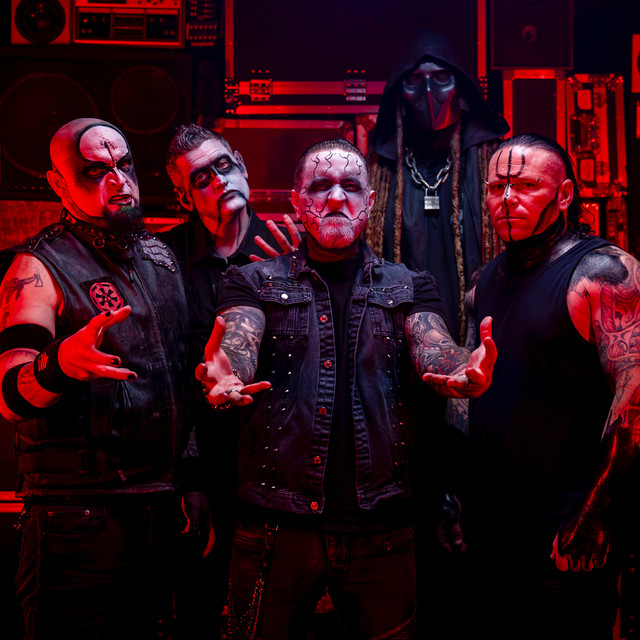
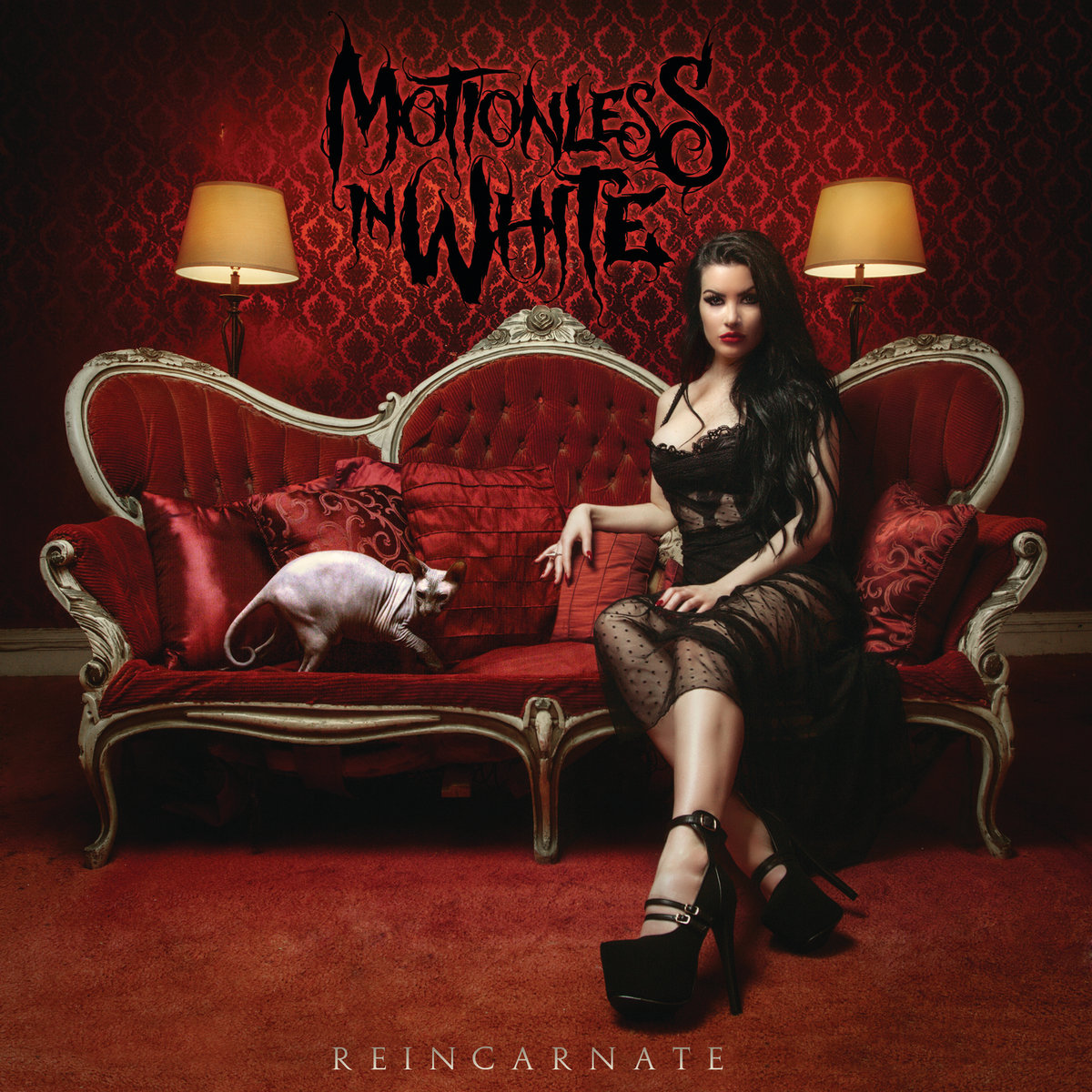
There's a particular kind of validation that comes when your hometown band gets put through the wringer by a reviewer who's seen everything, liked almost none of it, and still shows up to do the job right. That's the energy running through MetalSucks' latest "Disgruntled Dad Reviews" column, where Dave Mustcomplain takes on Motionless In White's new retrospective release, Decades. For a band that climbed out of the Scranton/Wilkes-Barre scene to become one of the most commercially successful heavy acts this state has ever produced, getting dissected by a critic known for testing his own patience is practically a rite of passage.
Motionless In White have spent close to two decades building a sound that splits the difference between gothic theater, industrial grind, and metalcore aggression, and Decades is framed as exactly what the title promises — a look back at the arc that took them from regional battle-of-the-bands circuits to arena stages. Whether or not a self-described disgruntled dad walks away a convert matters less than the fact that national outlets are still circling back to a Pennsylvania band's catalog in 2026, parsing what worked, what didn't, and how the project holds up against a genre landscape that's shifted considerably since the band's early records. That kind of sustained critical attention is rare air for any act, let alone one that came up through the same basement and VFW-hall circuit that's still producing new metal bands 2026 audiences are discovering right now.
Gothic Metal's Unlikely Second Life
It's worth noting that Motionless In White's retrospective moment is landing at the same time gothic and industrial metal's elder statesmen are experiencing a strange and welcome resurgence. Type O Negative guitarist Kenny Hickey told This Day In Metal that his old band is "bigger than ever," crediting a wave of TikTok discovery for introducing Peter Steele's gloom-drenched riffs to listeners who weren't alive when October Rust came out. Hickey's point lands because it describes a pattern repeating across the genre: algorithmic rediscovery doesn't care about release dates, it cares about mood, atmosphere, and a riff that hits.
That's relevant to Pennsylvania because gothic and industrial metal have real roots here beyond Motionless In White. Suicide Puppets have been working that same gothic/industrial vein locally, and the renewed cultural appetite for atmosphere-first heavy music — the kind that doesn't need blast beats to feel menacing — is a reminder that this corner of the Pennsylvania metal scene deserves more attention than it usually gets. If a thirty-year-old Brooklyn band can find a second commercial life through short-form video, there's no reason the same algorithm couldn't be kind to the darker, slower, more theatrical bands working out of Scranton, Allentown, or Pittsburgh basements right now.
Tremonti Talks Magic on Philly Radio
Meanwhile, Creed guitarist Mark Tremonti sat down with Philadelphia's own Preston & Steve on 93.3 WMMR this week and made a case that applies well beyond his own band's unlikely late-career resurgence. "Music is the closest thing we have to magic," Tremonti told the hosts, discussing how a new generation of fans discovered Creed essentially from scratch and has been showing up to Scott Stapp-fronted shows in numbers nobody predicted a decade ago.
Tremonti's comments point to something Pennsylvania scene veterans have known for years — that a good song doesn't come with an expiration date, and radio stations like WMMR still matter as a bridge between generations of listeners.
That bridge-building function is exactly what local radio and local show promotion do for the underground here, too. Every band working the Pennsylvania circuit right now, from death metal acts grinding through basement shows to doom bands playing to a dozen committed heads, is banking on the same idea Tremonti described: that the right song, played in the right room, creates something that outlasts the initial moment. It's the same logic behind checking upcoming shows in your area instead of waiting for a band to blow up nationally before you bother seeing them live.
The Old Guard Keeps Showing Up
Speaking of magic and legacy, it was hard to miss Black Sabbath bassist Geezer Butler joining Jack Black's Sabbath tribute act, Jack Sabbath, for a run through "War Pigs" at Tom Morello's Power to the People festival in Maryland over the weekend. It's the kind of unscripted, deeply weird crossover moment that reminds you why people still show up to festivals in person instead of just streaming the highlights — you never know when a founding member of the genre is going to wander onstage.
Alice Cooper, for his part, used a new CBS Mornings interview tied to his autobiography Devil On My Shoulder to reflect on the androgynous stage character that's defined his career for over fifty years, telling Anthony Mason he's "always felt that I had to prove myself." That restless, never-satisfied streak is a thread connecting almost every act mentioned this week, from a seventy-something shock-rock pioneer to a Scranton metalcore band still getting graded by skeptical dads online. Nobody gets to coast, no matter how many decades they've logged.
Metallica's Sphere Run Keeps Throwing Curveballs
Elsewhere on the national stage, Metallica's second Sphere show reportedly dug up a live rarity from the Reloaded era that hadn't been performed since 2008, alongside an entirely different setlist from night one. It's a small thing in the grand scheme, but it underscores a point that applies just as much to a club show in Reading as it does to a residency in Las Vegas: audiences respond when a band treats every night like it has to earn its own identity, not just repeat the same show on a loop. That's a lesson plenty of touring and local Pennsylvania acts already understand instinctively, whether they're playing a 200-cap room or dreaming of one day playing somewhere that big.
What This Means For Pennsylvania's Underground
None of this is breaking news for anyone who's spent time in the trenches of the Pennsylvania metal scene, but it's worth connecting the dots. A homegrown gothic-industrial-metalcore band is still generating national critical conversation nearly twenty years into its run. A genre-defining gothic act from the '90s is thriving thanks to an app that didn't exist when its best records came out. A Philly radio station is still the platform where a national guitarist chooses to talk about why music matters. And founding members of metal's first generation are still showing up, unannounced, to play the songs that started it all.
The throughline is simple: longevity in this genre isn't about chasing trends, it's about showing up consistently enough that when the algorithm, the radio dial, or the all-star jam session finally finds you, there's a real body of work waiting to be discovered. That's as true for John Corabi working the hard rock and glam metal circuit, or Bret Michaels still packing venues decades after his glam heyday, as it is for any unsigned band playing their first real show this month in Allentown or Erie.
It's also true for Pennsylvania's punk-adjacent exports — The Wonder Years built an entire career on the same kind of patient, song-first consistency that Tremonti was describing on WMMR, proving the lesson isn't genre-specific. The best metal bands, and the best heavy bands generally, tend to be the ones who were never chasing a moment to begin with.
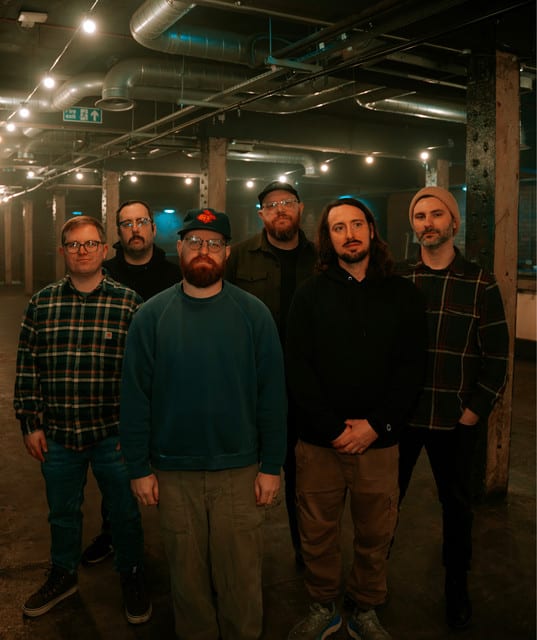
If there's a takeaway for the dozens of death metal, doom, black metal, and heavy metal acts grinding away across this state right now, it's that the work doesn't need to be flashy to eventually get its due. Keep playing the rooms, keep putting out the records, and trust that somewhere down the line — on TikTok, on terrestrial radio, in a surprise festival cameo, or in a skeptical dad's inbox — someone's going to notice. In the meantime, if you're in a band that hasn't been indexed yet, submit your band and make sure you're part of the record when that moment comes.