Look Inward, Then Level Up: August Burns Red's Jake Luhrs and the Self-Improvement Streak Running Through PA Metal
There's a particular kind of message that hits different when it comes from a guy who's spent two decades screaming into microphones across four continents. Lancaster's own August Burns Red frontman Jake Luhrs recently sat down with Australia's A Peek Behind The Lines to talk about "The Nameless," a cut off the band's latest record "Season Of Surrender." Asked whether he's still searching for places to improve as a person and an artist, Luhrs didn't dodge the question. He put it plainly: if you want the world to change, or if you want to change the world, you have to start with yourself.
It's not a groundbreaking sentiment on paper, but coming from one of the most enduring metalcore exports Pennsylvania has ever produced, it lands with weight. August Burns Red have built a career on exactly this kind of unflinching internal reckoning, and it's part of why they've remained a touchstone act for the genre well past the point where most of their 2003-era peers scattered. That kind of longevity doesn't happen by accident, and it's a useful lens for looking at the rest of the Commonwealth's metalcore underground right now.
The Metalcore Torch Keeps Burning South-Central
Pennsylvania's metalcore scene has never needed to borrow credibility from anywhere else, and Luhrs' comments are a good excuse to shine a light on some of the bands carrying that torch at the club level. Chapter have been quietly building a reputation in the state's metalcore trenches, working in the same emotionally direct, breakdown-heavy tradition that August Burns Red helped codify. It's the kind of songwriting that treats a mosh call as a form of testimony rather than just a pit trigger, and it's exactly the vein Luhrs was speaking from in that interview.
You can hear similar DNA in the more mathy, technically restless corners of the scene too. Philadelphia's 156/Silence have carved out space in the mathcore and post-hardcore lane, proving that "metalcore" in Pennsylvania doesn't mean one sound — it means a shared willingness to get uncomfortable on record and honest on stage. If you're compiling any kind of list of the best metal bands working in this style right now, you can't leave Pennsylvania's roster off it.
Slipknot's Experimental Turn and What It Means for PA's Progressive Underground
Speaking of bands refusing to coast on past glories — Slipknot guitarist Jim Root dropped a genuinely interesting comment this week about the band's next record. Root said not to expect another "Iowa" or another self-titled record, explaining that the band has "been there" already. His exact words were that the new material feels honest and true, uneasy, and reminiscent of recording in the earlier days — which is a curious way to describe something that's explicitly not a retread of the earlier days. Make of that what you will, but it signals a band actively trying to unsettle itself rather than repeat a formula that's worked for a quarter century.
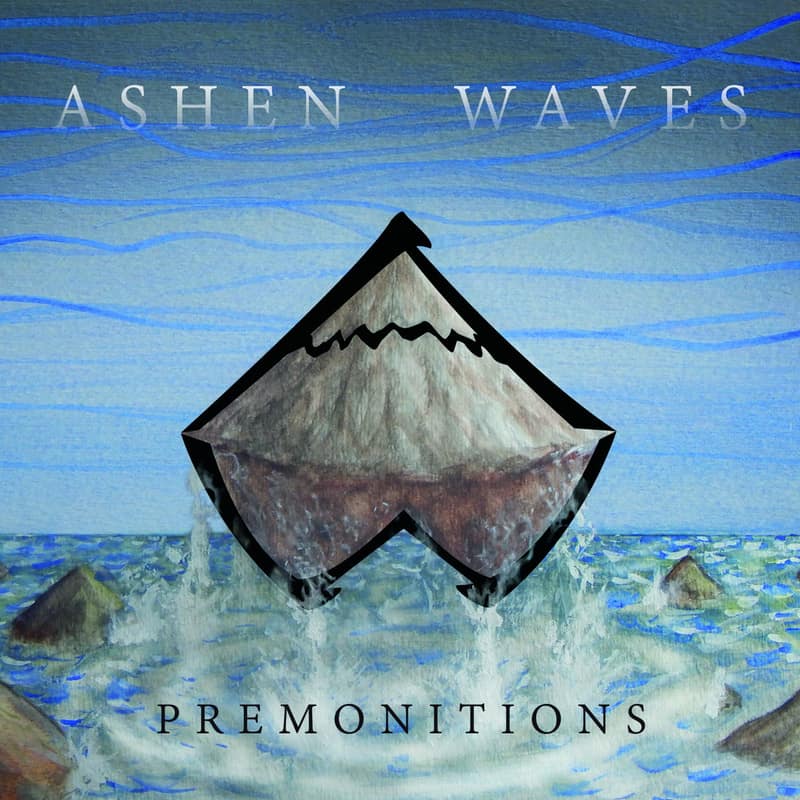
That instinct — to keep destabilizing your own sound instead of resting on it — is basically the operating principle of Pennsylvania's progressive and technical death metal contingent. Reading, PA's own Rivers of Nihil have made an entire career out of refusing to write the same record twice, folding saxophone, synth textures, and cosmic dread into a technical death metal framework that keeps critics scrambling for new adjectives every release cycle. Elsewhere in the state, Ashen Waves and Fallen Keys are both mining that same progressive-metal restlessness, treating genre conventions as a starting point rather than a cage. If Slipknot's next album really does sound uneasy and unresolved the way Root describes, it'll fit right into a broader 2026 climate where even arena-level bands are chasing the same discomfort that's long powered Pennsylvania's underground.
Horror, Death Metal, and the Soundtrack Connection
On a lighter but still riff-adjacent note, "Deathgasm II: Goremageddon" — the sequel to the beloved 2015 demon-apocalypse horror-comedy — is hitting U.S. and Canadian theaters this week, with an original score from Trivium's Matt Heafy. The original "Deathgasm" became a cult favorite precisely because it understood something metalheads have always known intuitively: extremity and comedy aren't opposites, they're neighbors. A metal musician scoring a splatter-comedy sequel is about as on-brand a career move as exists in this genre.
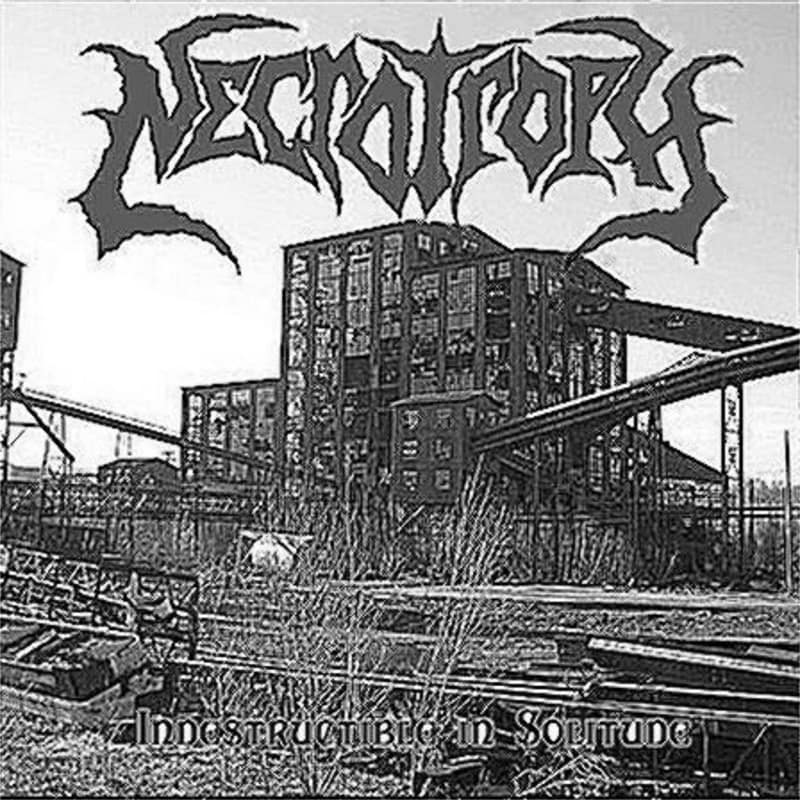
Pennsylvania's death metal scene has plenty of bands who'd fit comfortably on that soundtrack. Philadelphia's genre-defying Horrendous have spent over a decade proving that death metal can be both technically ambitious and genuinely eerie without sacrificing an ounce of brutality. On the punishing end of the spectrum, acts like Cemetery Earth, Necrotroph, and the grind-leaning Embryo Evisceration all traffic in the kind of gore-soaked aesthetic that made the original "Deathgasm" a midnight-movie classic in the first place. If a "Deathgasm III" ever needs a soundtrack contributor with actual Pennsylvania blood in the mix, the state's death metal underground has no shortage of candidates.
Bruce Dickinson's Long Game and a Note on Staying Power
Iron Maiden's Bruce Dickinson made a rare one-day appearance at Fan Expo Canada in Toronto recently, and during the Q&A he offered up a line that stuck with plenty of longtime fans: he knows exactly what he's doing through the end of 2028. For a frontman who's already lived several careers inside one — pilot, author, fencer, brewer, and oh yeah, one of metal's defining vocalists — that kind of forward planning is a reminder of what real staying power looks like. It's not about chasing trends; it's about having enough irons in the fire that the music never has to be the only thing keeping you relevant.
That same philosophy shows up locally in bands who've been grinding for years without a shortcut. Pennsylvania's heavy metal and NWOTHM underground is full of acts putting in that long, unglamorous work — the kind of scene-building that doesn't make national headlines but keeps local bills packed. It's worth remembering that the state's new metal bands 2026 crop didn't spring up overnight; they're standing on foundations poured by bands who treated this as a decades-long commitment rather than a moment.
AI, Algorithms, and the Fight to Be Heard
One more headline worth flagging for anyone booking or promoting shows in this region: Sleep Club's new material — thematically about the intrusion of AI into daily life — got incorrectly flagged again by Spotify's automated systems, an almost too-perfect irony for a band writing about algorithmic overreach. It's a small story nationally, but it's a real problem for every unsigned and mid-tier band in Pennsylvania trying to get music in front of ears without a machine misreading it first.
For local acts navigating that same landscape — whether you're playing thrash, black metal, folk metal, or something that doesn't fit neatly into any one box — the fix isn't waiting on a platform to fix its own filters. It's building real local infrastructure: word of mouth, regional press, and physical shows where the algorithm has zero say in who shows up. That's the whole reason to keep tabs on upcoming shows around the state rather than relying purely on a feed to surface what's actually happening in the Pennsylvania metal scene. And if your band isn't already indexed here, there's no reason to wait — go submit your band and get counted.
The Throughline
Every one of this week's headlines, from Luhrs' self-improvement talk to Root's discomfort with repeating himself to Dickinson's multi-year game plan, points at the same underlying truth: the acts that last are the ones willing to keep interrogating themselves instead of coasting on a formula. Pennsylvania's scene — from Lancaster metalcore to Reading's progressive death metal exports to Philly's death metal underground — has never had a shortage of bands doing exactly that. The national names just remind us to keep looking closer to home.