Metal's Extended Universe Expands as Legacy Acts and Next-Gen Artists Reshape Heavy Music
The metal world is witnessing an unprecedented expansion of its extended universe, with established artists launching ambitious multi-album concepts while the next generation of musicians carries forward legendary bloodlines. This creative renaissance signals a maturation of heavy music that extends far beyond traditional album cycles and single releases.
Conceptual Ambitions Take Center Stage
Marilyn Manson's announcement of "One Assassination Under God - Chapter 2" represents more than just another album release—it signals heavy music's embrace of serialized storytelling typically reserved for television and literature. Set for release on August 14 through Nuclear Blast Records, this Tyler Bates-produced effort continues a narrative arc that positions albums as chapters rather than standalone works.
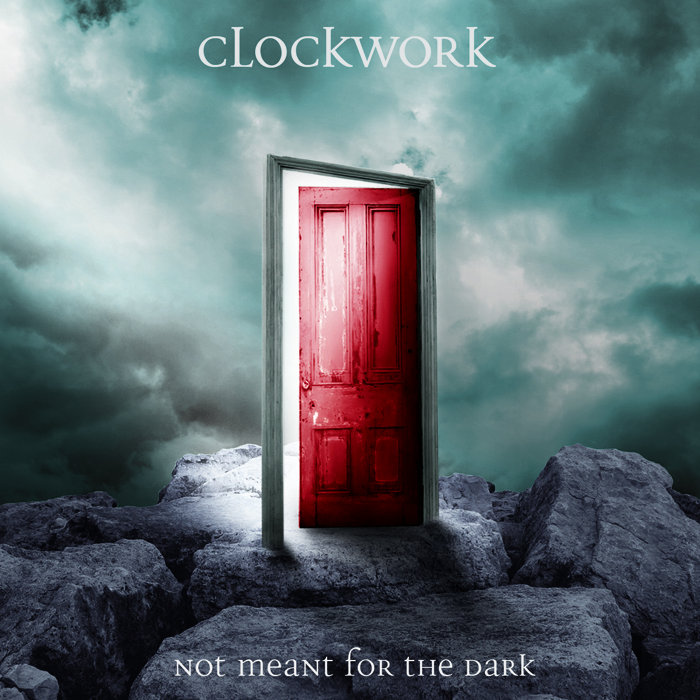
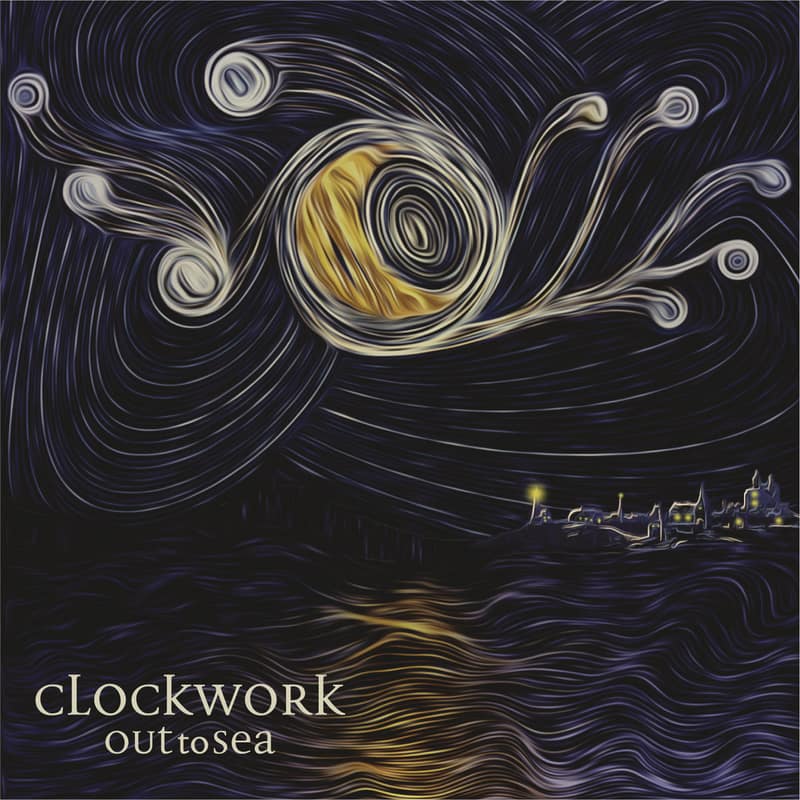
The accompanying "Exit Wound" music video demonstrates how visual components now serve as essential narrative devices rather than promotional afterthoughts. This approach mirrors the storytelling complexity found in Pennsylvania's more progressive acts, where bands like Pittsburgh progressive metal outfit Clockwork have long understood the power of thematic cohesion across extended compositions.
This serialized approach to album creation reflects broader industry trends toward content that rewards dedicated engagement. Rather than competing for fleeting attention spans, these extended concepts cultivate devoted followings willing to invest in ongoing narratives.
Bloodlines and Musical Legacy
The emergence of Bastardane, featuring Castor Hetfield behind the drum kit, highlights heavy music's unique relationship with generational transmission. The band's "Mother's Tongue" video, produced by Gojira's Joseph Duplantier, demonstrates how musical DNA expresses itself through contemporary production techniques and modern songwriting approaches.
This phenomenon extends beyond famous surnames into fundamental questions about how musical traditions transfer between generations. Pennsylvania metal has always featured multi-generational involvement, from family-run venues to bands where older and younger musicians collaborate on equal footing.
The Hetfield connection also underscores how established industry figures like Duplantier serve as bridges between metal's past and future, offering production expertise that honors tradition while embracing innovation.
Veteran Acts Navigate Personnel Changes
Godsmack's recruitment of former Dream Theater drummer Mike Mangini following Wade Murff's departure illustrates how veteran acts maintain momentum through strategic personnel decisions. Mangini's June 12 debut at Morton Amphitheater during "The Rise Of Rock" tour demonstrates the seamless integration possible when musicians operate at professional levels.
These lineup changes reflect heavy music's evolution into a professional ecosystem where musicians move between projects based on artistic fit and career opportunities rather than personal drama. This professionalization benefits regional scenes like Pennsylvania's, where musicians increasingly view their craft as legitimate career paths requiring business acumen alongside artistic vision.
The ability of acts like Godsmack to maintain touring schedules despite personnel changes also highlights the importance of having deep networks within the metal community—connections that Pennsylvania musicians continue building through regional collaboration and cross-pollination between scenes.
Classic Metal's Sustained Relevance
Armored Saint's "Hit A Moonshot" release demonstrates how classic metal acts remain creatively vital decades into their careers. Rather than relying on nostalgia, these veterans continue crafting material that justifies their continued existence within contemporary metal landscapes.
This sustained creativity provides inspiration for Pennsylvania's own veteran acts, many of whom have maintained regional followings while watching contemporaries achieve larger success. The key lies in understanding that longevity requires continuous creative growth rather than formula repetition.
Sabaton's announcement of their massive 21-date Swedish arena tour for January/February 2027 illustrates how regional identity can become a global selling point. Their success in transforming Swedish history into universal metal anthems offers lessons for Pennsylvania bands seeking to transform local character into broader appeal.
Industry Infrastructure Developments
Marshall Records' 10th anniversary celebration highlights the importance of label partnerships that champion artists without creative restrictions. Senior Label Manager Ellys Airey's emphasis on artistic freedom reflects broader industry trends toward more collaborative artist-label relationships.
This development particularly benefits regional scenes like Pennsylvania metal, where bands often struggle to find industry partners who understand their local contexts while supporting national ambitions. Labels that prioritize artistic development over immediate commercial returns create environments where creativity can flourish.
The success of artist-friendly label models also demonstrates how the industry is adapting to serve musicians rather than simply exploiting them, creating sustainable career paths that extend beyond quick profit extraction.
Live Performance Evolution
Kittie's return to full North American headlining after over a decade demonstrates how patient career planning can revitalize seemingly dormant projects. Their "intimate" Los Angeles show at the Echoplex represents strategic venue selection that prioritizes meaningful fan connection over maximum attendance.
This approach resonates with Pennsylvania's metal scene, where venues of various sizes allow bands to develop appropriate audience relationships. The intimacy possible in smaller venues often creates more lasting fan connections than larger, more impersonal events.
Saga's return to live performance after more than a year's absence at River Cree Resort & Casino illustrates how established acts can maintain relevance through selective appearance strategies rather than constant touring cycles.
Regional Identity in Global Context
The current landscape offers particular opportunities for Pennsylvania metal to capitalize on industry trends favoring authenticity and regional character. As major acts embrace extended conceptual projects and multi-generational collaboration, local bands can apply similar approaches to Pennsylvania's rich industrial and cultural history.
The state's diverse metal subgenres—from doom and sludge acts to technical death metal and hardcore crossover bands—position it well to serve various niches within heavy music's expanding universe. Rather than competing directly with established acts, Pennsylvania bands can develop their own narrative territories and regional identities.
The success of serialized album concepts also suggests opportunities for Pennsylvania bands to develop extended projects that explore local themes, historical events, or cultural phenomena through heavy music frameworks.
As heavy music continues expanding its creative boundaries and professional infrastructure, Pennsylvania's metal scene stands positioned to benefit from industry trends that reward artistic authenticity, regional identity, and patient career development. The current landscape favors musicians willing to invest in long-term creative projects and community building rather than quick commercial success.