Metalcore's Experimental Edge and Live Music's Value Crisis: August Burns Red's 'Sonic Salvation' Signals Genre Evolution
The metalcore landscape experienced a seismic shift this week as Pennsylvania's own August Burns Red unveiled "Sonic Salvation," the latest single from their upcoming album "Season of Surrender," scheduled for June 5th release. This development arrives amid Live Nation's announcement of $30 summer concert tickets featuring major acts like Iron Maiden and Rob Zombie, creating a fascinating tension between accessibility and artistic ambition that perfectly encapsulates the current state of heavy music.
Pennsylvania's Metalcore Pioneers Push Boundaries
August Burns Red's "Sonic Salvation" represents more than just another pre-release single—it signals a deliberate evolution in the band's approach to melodic metalcore composition. The Lancaster-based quintet has consistently demonstrated their ability to balance technical proficiency with emotional resonance, and this latest offering appears to continue that tradition while exploring new sonic territories.
The timing of this release coincides with broader discussions about artistic integrity in modern metal, echoing recent comments from Rush's Geddy Lee about maintaining fanbase loyalty through stylistic evolution. Lee's observation that "with every shift in style, we lost fans, but we gained other fans" speaks directly to the challenges facing established acts like August Burns Red as they navigate creative growth while honoring their metalcore foundations.
Pennsylvania's metalcore scene has long served as a proving ground for bands willing to experiment within established parameters. Motionless In White has successfully incorporated gothic and industrial elements into their core sound, while acts like Witness to the End continue pushing death metal and metalcore fusion boundaries. This environment of creative risk-taking provides the perfect context for understanding August Burns Red's continued evolution.
The Economics of Heavy Music Access
Live Nation's $30 concert initiative presents a fascinating counterpoint to the premium pricing that has dominated live music in recent years. The inclusion of legacy metal acts like Iron Maiden and Rob Zombie in this affordable tier raises important questions about how established bands balance financial sustainability with fan accessibility.
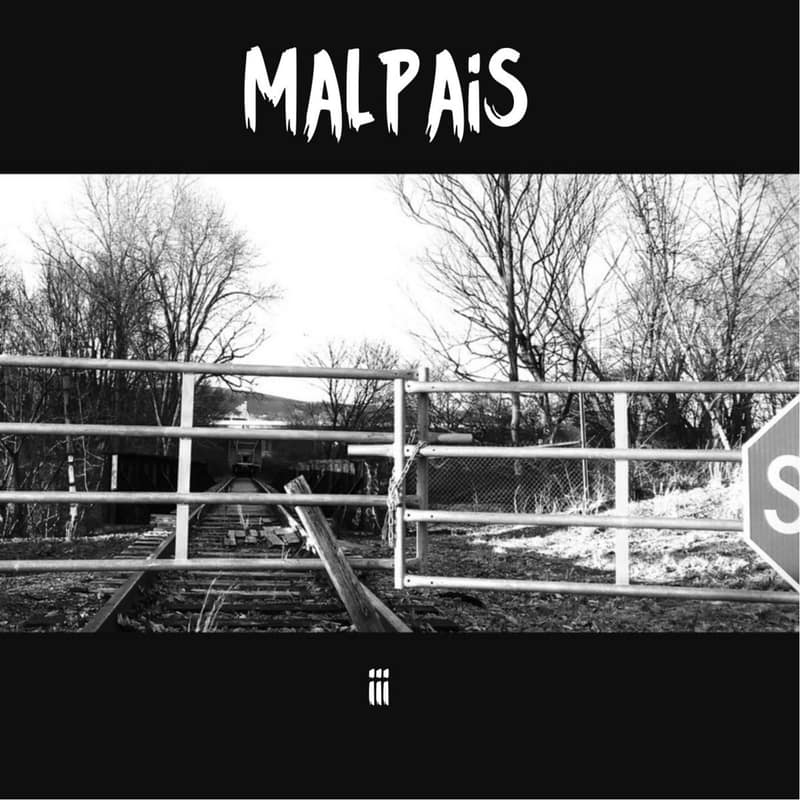
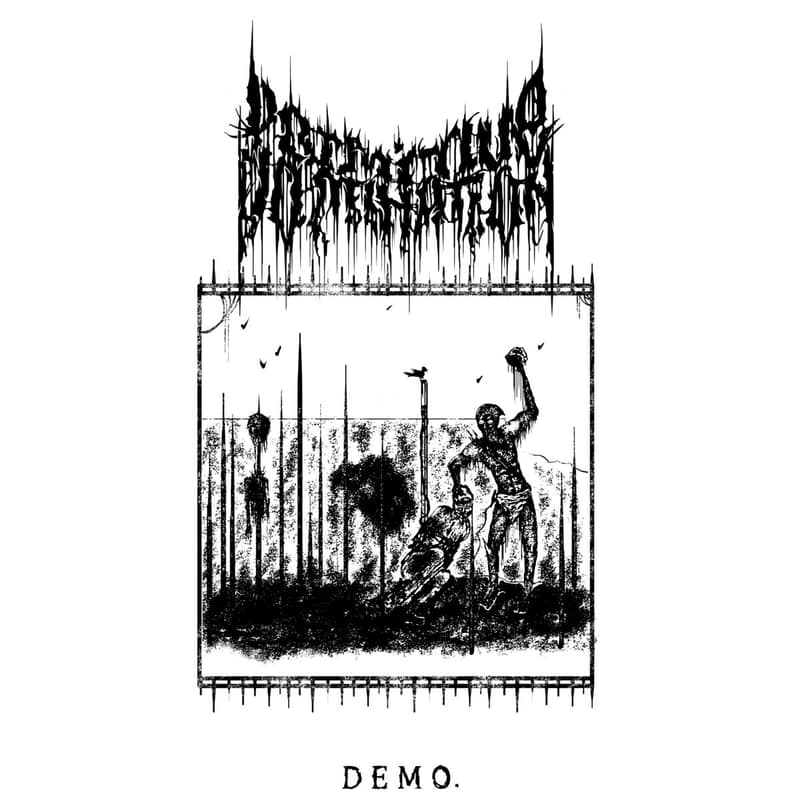
For Pennsylvania's developing metal acts, this pricing model creates both opportunities and challenges. Emerging bands from the state's robust underground scene—spanning from the progressive metal explorations of Malpais to the brutal death metal assault of Primitive Domination—must now compete in an environment where fans can experience major acts at unprecedented price points.
The implications extend beyond simple market competition. When fans can see Iron Maiden for $30, it fundamentally shifts expectations about live music value propositions. Local venues hosting Pennsylvania's best metal bands must now justify their ticket prices not against comparable regional acts, but against major touring productions.
Health, Resilience, and Community Strength
Coal Chamber drummer Mikey Cox's announcement of his successful battle against Stage 3 cancer provides a powerful reminder of the metal community's resilience and mutual support systems. Cox's victory against cancer resonates throughout the heavy music world, demonstrating the personal strength that often mirrors the intensity found in extreme musical expression.
This type of community solidarity has deep roots in Pennsylvania's metal scene, where bands across subgenres regularly support each other through challenging periods. The state's death metal contingent, including acts like Shenk and Geisha Dissection, has consistently demonstrated this collaborative spirit, organizing benefit shows and supporting members facing personal crises.
Genre Evolution and Identity Preservation
Lamb of God guitarist Mark Morton's recent comments about the band's unique sonic identity after 25 years highlight the delicate balance between innovation and identity preservation that defines successful long-term metal careers. Morton's observation that "nobody just straight up sounds like Lamb of God" speaks to the importance of developing distinctive approaches within established genres.
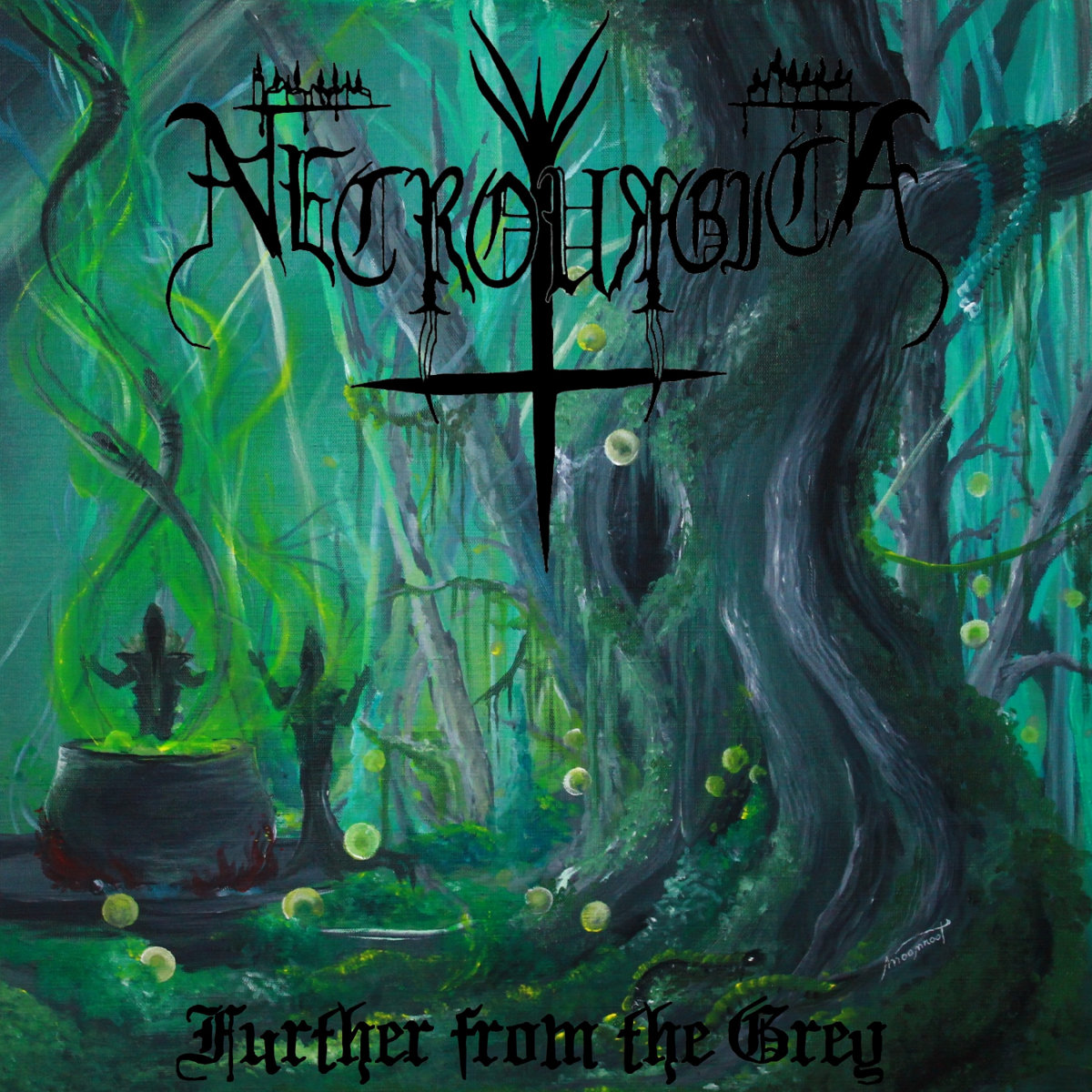
This philosophy directly parallels the challenges facing Pennsylvania's best metal bands as they develop their own identities within crowded subgenre landscapes. The state's black metal scene, represented by acts like Everwinter and Necrourgica, must balance traditional atmospheric elements with innovative approaches that distinguish them from both international acts and regional competitors.
The progressive metal realm presents similar challenges, with bands like Chronostasis incorporating technical death metal elements while maintaining progressive song structures. These fusion approaches reflect broader trends in modern extreme music, where genre boundaries become increasingly fluid and creative possibilities expand exponentially.
Looking Forward: Festival Culture and Regional Impact
Welcome to Rockville 2026's early planning stages suggest that major festival culture continues expanding, potentially creating new opportunities for Pennsylvania's metal acts to gain broader exposure. The festival circuit has become increasingly important for mid-tier bands seeking to transition from regional to national recognition levels.
Pennsylvania's geographic position provides strategic advantages for bands targeting major East Coast festivals. The state's central location allows acts to maintain lower travel costs while accessing major metropolitan markets from Boston to Atlanta. This positioning becomes particularly valuable as touring costs continue rising and bands must make increasingly strategic decisions about live performance investments.
The Pennsylvania metal scene benefits from this geographic advantage while maintaining strong local venue networks that support developing acts. Cities like Philadelphia, Pittsburgh, and Harrisburg provide stepping-stone markets that allow bands to test new material and refine live presentations before pursuing larger opportunities.
Technology, Tradition, and Future Directions
Max Portnoy's recent Drumeo appearance, tackling Led Zeppelin's "In My Time Of Dying," illustrates how modern metal musicians continue drawing inspiration from classic rock foundations while developing contemporary extreme music approaches. Portnoy's work with Tallah demonstrates how new metal bands 2026 can honor traditional influences while creating genuinely innovative sounds.
This balance between reverence and innovation defines much of Pennsylvania's current metal landscape. Bands like Street Lethal explicitly channel classic speed metal aesthetics while incorporating modern production techniques and compositional approaches. Similarly, doom metal acts like Molasses Barge use traditional slow-tempo frameworks to explore contemporary thematic content and atmospheric textures.
The emergence of boundary-pushing acts like Boundaries, currently teasing new material, suggests that metalcore and related genres continue evolving in unexpected directions. Pennsylvania's metalcore scene, anchored by August Burns Red's continued innovation, provides fertile ground for emerging acts to experiment with genre conventions while maintaining the intensity and emotional directness that defines effective heavy music.
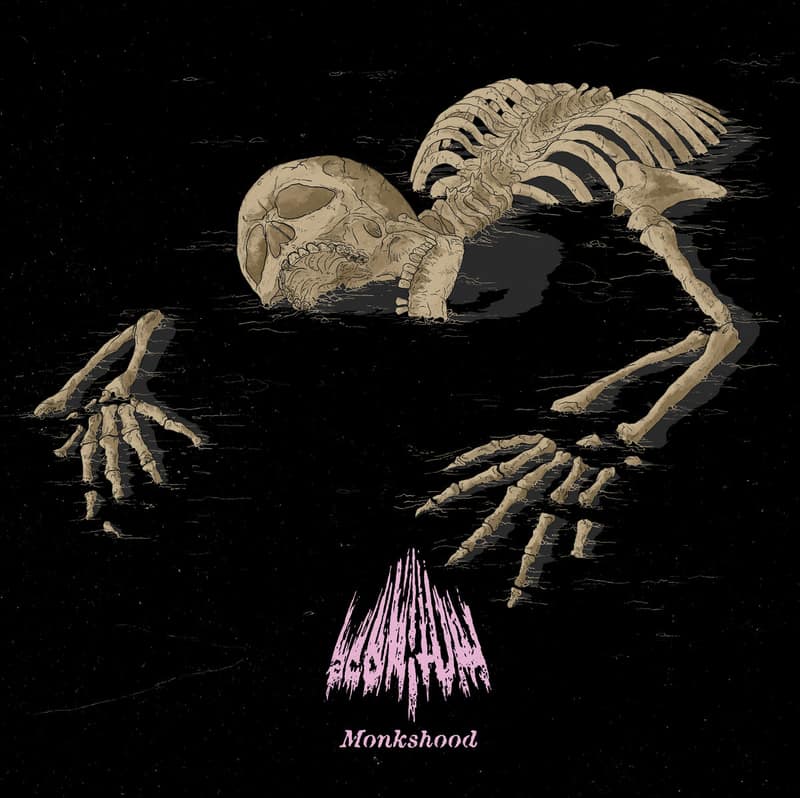
As the metal landscape continues fragmenting into increasingly specialized subgenres, Pennsylvania's diverse scene offers valuable lessons about maintaining community cohesion while supporting creative experimentation. The state's ability to nurture everything from the gothic metal explorations of Deathwhite to the grindcore brutality of Aconitum demonstrates how regional scenes can support multiple creative directions simultaneously.
The convergence of affordable live music access, continued artistic evolution, and strong community support systems positions Pennsylvania's metal scene for significant growth throughout 2026 and beyond. August Burns Red's "Sonic Salvation" serves as both a creative statement and a reminder that established acts can continue pushing boundaries while honoring the foundations that initially defined their success.