Affordable Concert Access and Legacy Albums: Live Nation's $30 Summer Initiative Creates New Opportunities for Pennsylvania's Heavy Music Scene
The concert industry's accessibility crisis may finally be getting the shake-up it desperately needs. Live Nation's announcement of thirty-dollar tickets for major summer shows featuring Iron Maiden and Rob Zombie represents a seismic shift in how legendary metal acts approach fan access, creating ripple effects that Pennsylvania's thriving heavy music community should watch closely.
Breaking Down Pricing Barriers in Heavy Music
For years, metalheads across Pennsylvania have watched ticket prices climb to astronomical heights, often pricing out the very communities that built these genres from the ground up. Iron Maiden commanding premium prices made sense given their theatrical productions and decades of influence, but it also meant younger fans and working-class supporters found themselves locked out of experiencing metal history in person.
This pricing revolution comes at a critical moment for the metal industry. With veteran acts recognizing that sustainable careers depend on cultivating new generations of fans rather than just milking existing ones, affordable access becomes essential for genre longevity. Pennsylvania's diverse metal ecosystem, from Pittsburgh's industrial-influenced acts to Philadelphia's hardcore pioneers, understands this principle intimately.
The thirty-dollar price point isn't arbitrary—it represents a sweet spot where major productions remain profitable while acknowledging that music should be accessible to dedicated fans regardless of economic status. For Pennsylvania venues and promoters, this model offers a blueprint for creating sustainable pricing structures that support both touring acts and local scenes.
Legacy Projects and Posthumous Creativity
While Live Nation focuses on accessibility, Soundgarden's continued work on their final album with Chris Cornell highlights another crucial aspect of metal's current landscape: the delicate balance between honoring artistic legacy and commercial opportunity. The surviving members' commitment to completing this project demonstrates how deeply personal relationships within bands extend beyond mere business partnerships.
This approach to posthumous releases stands in stark contrast to rushed cash grabs that often follow artist deaths. By taking years to properly develop these final recordings, Soundgarden shows respect for both Cornell's creative vision and their fans' emotional investment. Pennsylvania acts working with similar archival material can learn from this thoughtful approach to legacy management.
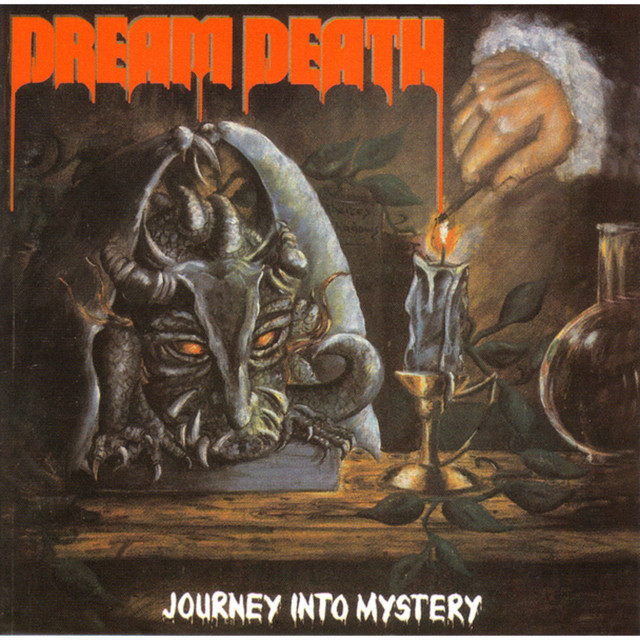
The technical and emotional challenges of completing albums with deceased members require unprecedented sensitivity. Studio technology allows for sophisticated manipulation of existing vocals, but the ethical questions surrounding artistic intent remain complex. When Dream Death and other Pennsylvania veteran acts consider their own archival projects, these Soundgarden sessions provide valuable precedent for maintaining artistic integrity.
Personal Authenticity in Modern Metal
Beartooth's Caleb Shomo coming out as gay represents another significant development in metal's ongoing evolution toward greater personal authenticity. His decision to address speculation directly rather than allowing rumors to affect his loved ones demonstrates the kind of proactive leadership that strengthens metal communities.
Metal's relationship with LGBTQ+ identity has historically been complicated, but acts like Shomo are helping reshape these narratives through visibility and honest communication. Pennsylvania's metal scene, with its strong industrial and alternative metal traditions, has always embraced diverse voices, making it fertile ground for continued progress in representation and inclusion.
The timing of Shomo's announcement, amid broader cultural conversations about identity and authenticity, positions metal as a genre capable of growth and self-reflection. Rather than retreating into outdated stereotypes, modern metal continues expanding its definition of what authentic heavy music looks like.
Instrumental Innovation and Genre Fusion
Bad Brains' Darryl Jenifer's instrumental album "The Weather Channel" showcases how legendary hardcore musicians continue pushing creative boundaries well into their careers. By incorporating jazz fusion, dub, and psychedelic elements, Jenifer demonstrates that hardcore's foundational energy can support sophisticated musical exploration.
This kind of genre fusion resonates strongly with Pennsylvania's experimental metal scene. Acts exploring similar territory understand that instrumental music allows for pure sonic exploration without the constraints of vocal melodies or lyrical themes. The freedom to pursue complex arrangements and unconventional song structures often produces some of metal's most innovative moments.
Pennsylvania's connection to both hardcore punk and progressive metal makes it ideal territory for artists inspired by Jenifer's approach. The state's musical infrastructure supports both underground experimentation and polished production, creating opportunities for instrumental projects to find appropriate audiences and professional development.
Side Projects and Creative Expansion
Dean DeLeo's One More Satellite project, now completing its second album, illustrates how established musicians use side projects to explore creative territories their main bands cannot accommodate. Stone Temple Pilots' massive commercial success created certain expectations, but collaborative projects offer artistic freedom and reduced commercial pressure.
The international nature of this collaboration, bringing together DeLeo with UK-based Pete Shoulder, reflects how modern music creation transcends geographical boundaries. Pennsylvania musicians increasingly participate in similar long-distance partnerships, leveraging technology to create music with artists they might never meet in person.
These side projects often become laboratories for techniques and approaches that eventually influence main band activities. By experimenting with different vocal styles, production approaches, and songwriting methods, musicians expand their creative toolkits in ways that benefit all their musical endeavors.
Regional Scene Development and National Trends
Pennsylvania's metal scene continues benefiting from these broader industry developments. The state's geographic position between New York and Ohio creates natural touring corridors, while cities like Pittsburgh and Philadelphia offer distinct musical cultures that attract diverse heavy music styles.
Local acts studying these national trends can identify opportunities for creative growth and business development. Live Nation's pricing experiments might inspire Pennsylvania venues to test similar approaches with regional shows. The success of instrumental projects could encourage local musicians to pursue their own experimental endeavors.
The emphasis on authenticity and personal truth-telling in modern metal aligns perfectly with Pennsylvania's working-class musical traditions. From industrial metal's honest examination of economic hardship to hardcore's direct communication style, the state's heavy music has always prioritized genuine expression over commercial calculation.
Future Implications for Heavy Music
These developments collectively suggest that metal's future lies in balancing commercial viability with artistic integrity and personal authenticity. The best metal bands 2026 will likely be those that master this balance, creating music that satisfies both creative ambitions and fan expectations while maintaining honest communication about their artistic processes.
Pennsylvania metal scene participants should monitor how these trends develop over the coming months. The success of affordable touring models could reshape how regional acts approach their own pricing strategies. The careful handling of legacy projects provides templates for honoring musical history while creating new content.
As new metal bands 2026 emerge from Pennsylvania's fertile creative environment, they inherit both the challenges and opportunities created by these industry-wide developments. Those who embrace authenticity, creative experimentation, and accessible fan engagement will find themselves well-positioned for sustainable careers in heavy music's evolving landscape.
The Pennsylvania metal scene's diversity remains its greatest strength, supporting everything from experimental doom to technical death metal. As national trends continue emphasizing authenticity and accessibility, local acts that embody these values while pushing creative boundaries will find increased opportunities for growth and recognition in heavy music's expanding ecosystem.