Political Metal and Genre Evolution: Aaron Lewis's Controversial Album Title Sparks Debate While Heavy Music Embraces New Extremes
The intersection of politics and heavy music has reached a flashpoint as Aaron Lewis of Staind announces his upcoming solo album titled "Give My Country Back," while across the genre spectrum, bands are pushing into heavier territory and exploring artistic extremes. These developments highlight the ongoing tension between commercial appeal and creative authenticity that has long defined metal's cultural landscape.
Controversy and Creative Expression in Metal's Political Sphere
Lewis's album announcement represents more than just another solo project from a nu-metal veteran. The provocative title reflects a broader trend of established artists using their platforms to make increasingly bold political statements. This approach mirrors the confrontational spirit that has always defined metal's relationship with mainstream culture, even as it risks alienating portions of the fanbase.
The phenomenon isn't isolated to Lewis or Staind's alternative metal sphere. Throughout heavy music's history, Pennsylvania bands have similarly navigated the balance between personal expression and commercial viability. The state's diverse metal ecosystem—from hardcore punk acts to progressive metalcore—has consistently demonstrated how regional scenes can foster both artistic integrity and controversial discourse.
What makes Lewis's approach particularly notable is its timing within metal's current cultural moment. As the genre experiences renewed mainstream attention, veteran acts face increased scrutiny over their messaging and positioning. The album title suggests a deliberate provocation designed to generate discussion, a strategy that could either reinvigorate his solo career or further polarize listeners.
Genre Boundaries Blur as Bands Embrace Heavier Sounds
While political controversy dominates headlines, equally significant developments are occurring within metal's sonic evolution. Sleeping with Sirens' surprise single "Paralyzed" demonstrates how established acts are experimenting with heavier approaches to remain relevant in an increasingly extreme landscape. The band's decision to incorporate more aggressive elements reflects broader industry trends toward sonic intensity.
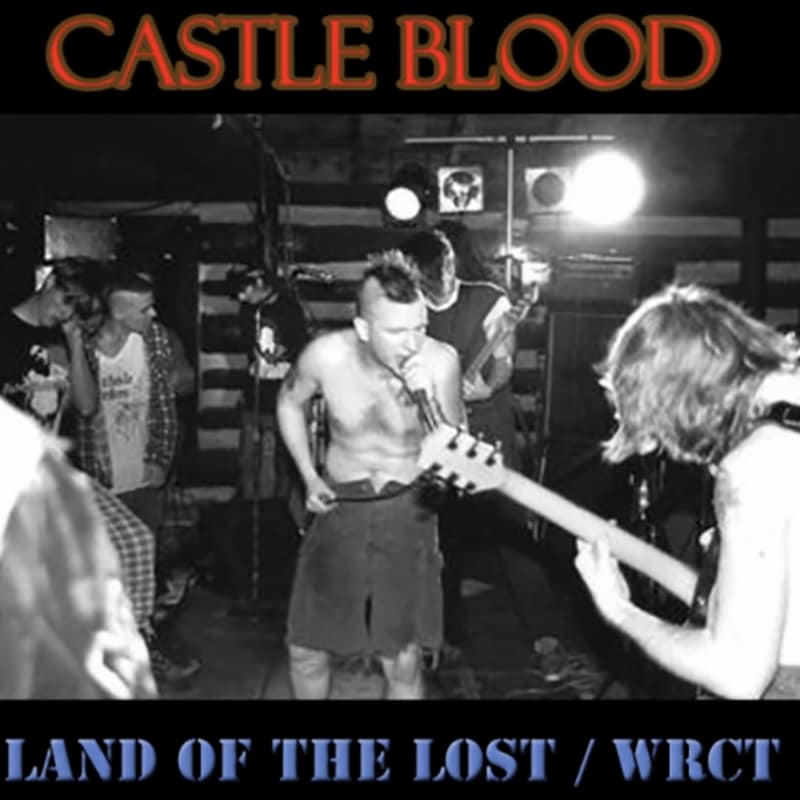
This shift toward heavier sounds creates opportunities for Pennsylvania's extreme metal community. Bands specializing in death metal, black metal, and crossover thrash may find increased receptivity from audiences previously focused on more accessible styles. Castle Blood's crossover thrash approach, for instance, could benefit from this trend toward genre-blending aggression.
The movement also extends to established acts seeking creative reinvention. Tommy Lee's "Tommyland Rides Again" represents another example of veteran performers exploring new sonic territories, while Dimmu Borgir's return after an eight-year absence with "Grand Serpent Rising" demonstrates how extreme metal veterans continue pushing boundaries.
These developments suggest that 2026 may become a pivotal year for heavy music's evolution. As mainstream acts incorporate more extreme elements, the distinctions between commercial and underground metal continue dissolving. This creates unprecedented opportunities for regional scenes to influence broader genre conversations.
Collaborative Innovation and Cross-Genre Experimentation
Beyond individual artist developments, the current metal landscape showcases increasing collaboration between unlikely partners. Brian Wheat's involvement with Violet Breed demonstrates how established musicians are leveraging their experience to explore new creative territories. Such partnerships highlight the genre's growing emphasis on artistic experimentation over rigid categorization.
The collaborative spirit extends to legendary figures like J Mascis and Mike Watt, whose mutual cover project represents the kind of cross-pollination that keeps alternative and heavy music vital. These partnerships suggest that creativity trumps commercial calculations in driving artistic decisions, a philosophy that resonates throughout Pennsylvania's diverse metal community.
Albert Bouchard's "Imaginos II" graphic novel project illustrates another dimension of this experimental approach. By combining visual storytelling with musical heritage, established artists are finding new ways to contextualize their work and reach different audiences. This multimedia approach offers lessons for Pennsylvania bands seeking to expand their creative reach beyond traditional album cycles.
The success of young acts like XCOMM, whose debut "Time to Burn" has attracted support from industry veterans, demonstrates that collaborative innovation isn't limited to established performers. The thrash-hardcore unit's ability to generate buzz among diverse supporters suggests that authentic creativity continues resonating across generational divides.
International Influence and Local Scene Development
The global nature of today's metal scene creates both opportunities and challenges for regional communities. Danish act Raunchy's new single "Frameworker" and Mexican trio The Warning's Spanish-language "Ego" demonstrate how international bands are expanding heavy music's cultural boundaries. These developments provide context for Pennsylvania's own diverse metal ecosystem.
The state's metal scene has always reflected this international influence while maintaining distinct regional characteristics. From Philadelphia's hardcore punk traditions to Pittsburgh's industrial metal innovations, Pennsylvania bands have consistently absorbed global trends while developing unique approaches. This balance becomes increasingly important as streaming platforms flatten geographical distinctions.
Tour announcements from acts like The Rasmus and Avatar indicate that 2027 will feature extensive international touring, potentially creating opportunities for Pennsylvania bands to secure support slots or festival appearances. The state's strategic location and strong venue infrastructure position it well to capitalize on increased touring activity.
Local promoters and venues should monitor these international trends to identify programming opportunities that align with global developments. The success of cross-cultural collaborations suggests that Pennsylvania audiences remain receptive to diverse heavy music styles, from Scandinavian theatrical metal to Latin American rock influences.
Implications for Pennsylvania's Heavy Music Future
These industry developments create specific opportunities for Pennsylvania's metal community. The trend toward political expression in heavy music could benefit acts willing to engage with controversial topics, while the movement toward heavier sounds may favor the state's extreme metal bands.
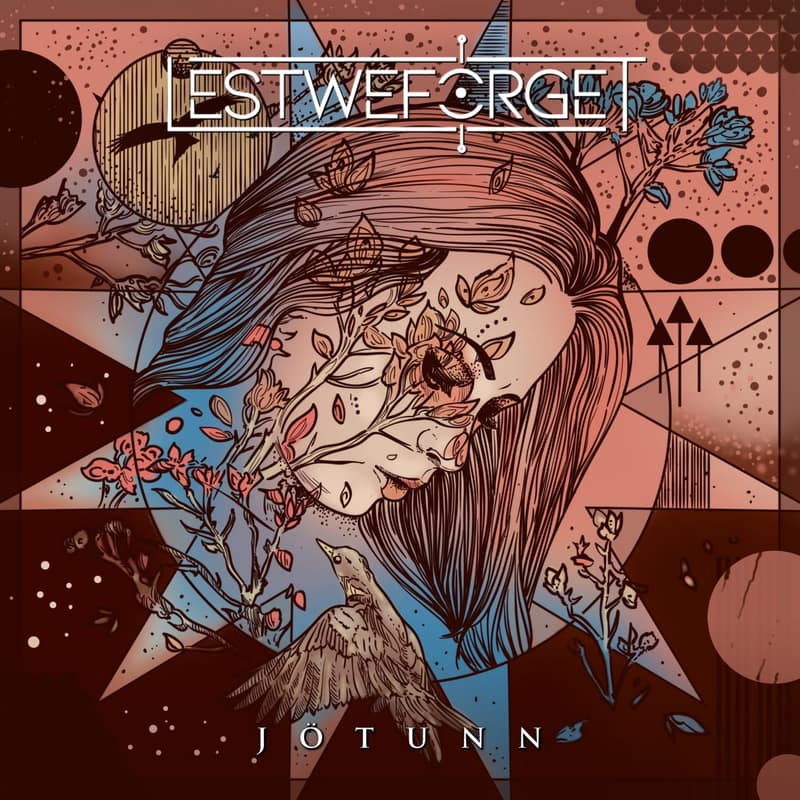
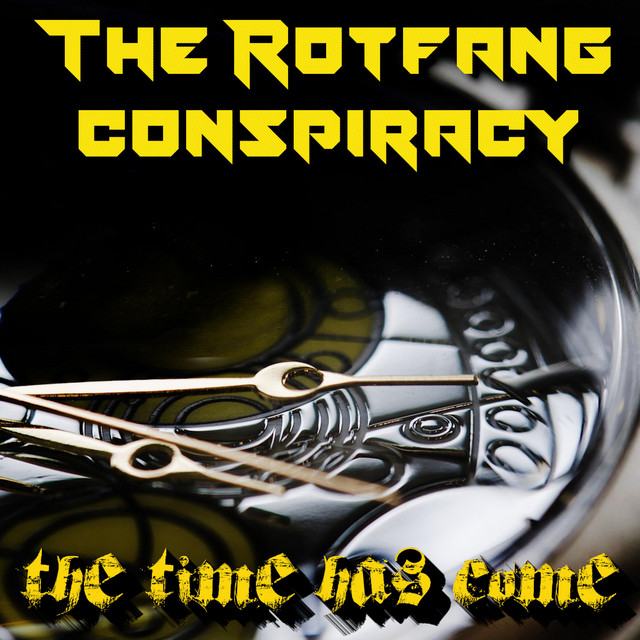
Pennsylvania's metalcore scene, anchored by acts like The Rotfang Conspiracy and Lest We Forget, appears particularly well-positioned to capitalize on the genre-blending trends exemplified by Sleeping with Sirens' heavier direction. These bands possess the technical skills and creative vision necessary to compete in an increasingly competitive landscape.
The collaborative spirit driving much of today's innovation also suggests opportunities for Pennsylvania musicians to forge partnerships across geographical and stylistic boundaries. The state's diverse scene includes everything from atmospheric black metal to brutal death metal, creating potential for unexpected creative combinations.
Most importantly, the current emphasis on authenticity over commercial calculation aligns with Pennsylvania metal's historical strengths. The state's scene has consistently prioritized artistic integrity, positioning its bands to thrive in an environment that rewards genuine creativity over manufactured controversy.
As the new metal bands 2026 landscape continues evolving, Pennsylvania metal scene participants should focus on developing distinctive voices rather than chasing trends. The current industry climate rewards bold artistic statements, whether through provocative political messaging or innovative sonic exploration. The best metal bands emerging from this period will likely be those that combine technical proficiency with genuine creative vision, qualities that Pennsylvania's diverse heavy music community has consistently demonstrated throughout its evolution.