Hardcore Veterans Return and Support Act Surprises: 100 Demons' Revival Showcases Underground Metal's Enduring Power
The underground metal scene is experiencing a fascinating moment of renewal, with veteran acts returning from extended hiatuses while established stars embrace unexpected touring partnerships. Two recent developments highlight how the genre's ecosystem continues evolving—from hardcore's deepest roots to arena-level collaborations.
100 Demons Rise from the Underground
After decades away from the spotlight, hardcore veterans 100 Demons have unleashed "Spiritual Obliteration," marking their first new material in what feels like an eternity. The Massachusetts outfit, known for their crushing blend of hardcore punk and metallic brutality, represents a crucial link between hardcore's foundational years and its modern evolution.
The band's return arrives at a particularly significant moment for hardcore's resurgence. With younger acts drawing inspiration from the genre's pioneers, 100 Demons' new material serves as both a reminder of hardcore's raw power and a bridge connecting generations of heavy music fans. Their approach to combining metallic riffing with hardcore's relentless energy helped define what many consider the blueprint for modern metalcore.
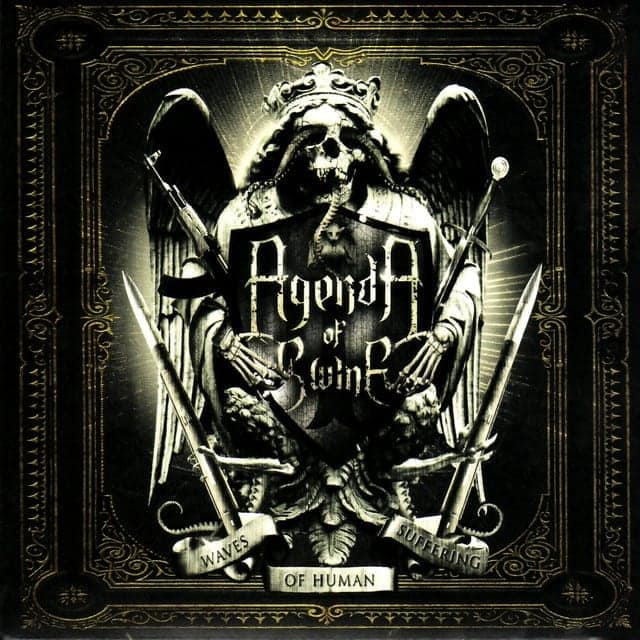
This revival speaks to broader trends within Pennsylvania's metal community, where bands like Agenda of Swine and Dark Wolf continue exploring the crossover thrash and hardcore territories that 100 Demons helped establish. The influence of veteran acts returning to active duty often creates ripple effects throughout local scenes, inspiring both established acts and newcomers to push creative boundaries.
Halestorm Embraces Arena Experimentation
Meanwhile, Pennsylvania's own Halestorm continues demonstrating why they remain among the best metal bands from the state with their willingness to embrace unconventional touring partnerships. Lzzy Hale's enthusiasm about supporting BABYMETAL on an upcoming North American tour reveals an artist comfortable with creative risks and genre-blending possibilities.
The pairing represents more than just an interesting booking decision—it highlights how established metal acts are increasingly open to collaborations that might have seemed impossible a decade ago. BABYMETAL's unique fusion of J-pop and metal has won over skeptics worldwide, while Halestorm's hard rock approach provides an ideal bridge for audiences discovering both acts.
For Pennsylvania metal scene observers, Halestorm's touring choices reflect broader creative confidence within the state's heavy music community. The band's willingness to step outside traditional touring packages mirrors the experimental spirit found throughout the region's diverse metal landscape, from prog acts to extreme metal pioneers.
Support Acts and Career Trajectories
The dynamics of support touring have evolved dramatically over the past decade. Where opening slots once primarily served as stepping stones for younger acts, contemporary touring sees established artists using support positions strategically. Halestorm's decision to support BABYMETAL reflects savvy career planning rather than necessity—accessing new audiences while maintaining artistic integrity.
This approach creates opportunities for Pennsylvania's developing acts to reconsider traditional career trajectories. Rather than viewing opening slots as purely hierarchical, bands can approach touring strategically, seeking partners who offer audience crossover potential rather than simple genre matching.
The experimental touring model also benefits venues and promoters, who can create more diverse lineups that attract broader audiences. Pennsylvania's venues, from intimate clubs to major arenas, benefit when established acts demonstrate that creative partnerships can succeed commercially.
Veterans Leading Genre Evolution
Both 100 Demons' return and Halestorm's experimental touring represent veteran acts refusing to remain static. Rather than relying solely on nostalgia or established formulas, these artists continue pushing their respective genres forward. This veteran leadership provides crucial guidance for emerging acts navigating an increasingly complex music landscape.
The hardcore scene, in particular, benefits from veteran acts like 100 Demons returning with fresh material. Their experience helps bridge generational gaps while their continued evolution demonstrates that longevity requires adaptation rather than simple repetition. For Pennsylvania's thrash and crossover scenes, this veteran wisdom proves invaluable.
Similarly, Halestorm's continued prominence provides visibility for Pennsylvania's metal scene on national and international stages. Their success creates opportunities for other state acts while demonstrating that Pennsylvania-based bands can maintain major label careers without relocating to traditional music industry centers.
Underground to Arena: Parallel Paths
The contrast between 100 Demons' underground hardcore roots and Halestorm's arena rock success illustrates metal's diverse ecosystem. Both approaches remain vital to the genre's health—underground acts maintaining creative purity while arena acts provide mainstream visibility and resources that benefit the entire scene.
Pennsylvania's metal community exemplifies this ecosystem's functionality. Extreme metal acts push boundaries in small venues while established acts like Halestorm represent regional achievements on larger stages. This diversity creates multiple pathways for new bands while ensuring the scene maintains both underground credibility and mainstream relevance.
The state's geographic position between major East Coast markets provides advantages for both approaches. Underground acts can access dedicated audiences in Philadelphia, Pittsburgh, and smaller cities, while arena-level acts can use Pennsylvania as a strategic base for major market touring.
Creative Risk-Taking as Industry Standard
Perhaps most significantly, both developments highlight how creative risk-taking has become essential rather than optional within contemporary metal. 100 Demons' decision to return after extended absence represents artistic risk, while Halestorm's unconventional touring partnership demonstrates commercial risk-taking.
These examples provide guidance for Pennsylvania's developing acts, particularly new metal bands 2026 and beyond. Success increasingly requires willingness to experiment, whether through genre fusion, unexpected collaborations, or innovative approaches to traditional metal frameworks.
The lesson extends beyond individual band strategies to scene-wide approaches. Pennsylvania metal scene strength depends on supporting both experimental underground acts and established artists willing to take creative chances. This balance ensures continued vitality while maintaining the diversity that makes regional scenes distinctive.
As 2026 approaches, these veteran examples suggest that Pennsylvania's metal community is well-positioned for continued growth and evolution. With established acts like Halestorm maintaining international visibility and underground influences like 100 Demons providing renewed inspiration, the state's diverse metal landscape continues expanding its creative possibilities.