Legendary Comebacks and Genre Pioneers: Ben Moody's We Are The Fallen Reunion Signals Major Alternative Metal Renaissance
The alternative metal landscape is experiencing a remarkable wave of reunions, potential comebacks, and creative renewals that could reshape the genre's trajectory heading into 2027. At the center of this movement sits Ben Moody's recent revelation about We Are The Fallen, the supergroup formed from original Evanescence members, potentially returning to active status after years of dormancy.
The We Are The Fallen Factor: When Superstars Reunite
Former Evanescence guitarist Ben Moody's recent interview comments about We Are The Fallen have sent ripples through the alternative metal community. The band, which emerged in 2009 featuring Moody alongside fellow Evanescence alumni John LeCompt and Rocky Gray, plus American Idol powerhouse vocalist Carly Smithson, represented one of the most anticipated supergroup formations of the late 2000s. Moody's indication that all members remain "willing to make it work" suggests that creative differences and scheduling conflicts that previously stalled the project may finally be resolving.
The timing couldn't be more significant. Alternative metal has seen renewed mainstream interest, with established acts finding fresh audiences and new bands drawing heavily from the genre's foundational elements. We Are The Fallen's potential return would arrive at a moment when their particular blend of symphonic heaviness and accessible songcraft could find eager reception among both nostalgic fans and newcomers discovering the genre's depth.
This development resonates particularly strongly within Pennsylvania's metal scene, where bands like CKY have long demonstrated how alternative metal can evolve while maintaining its core appeal. The state's diverse heavy music community has always embraced genre-blending approaches, making it fertile ground for the kind of comeback We Are The Fallen might represent.
Veteran Voices and Touring Realities
The potential We Are The Fallen reunion comes amid broader industry discussions about veteran acts navigating the physical and creative demands of modern touring. Ritchie Blackmore's recent comments about "pulling back on touring" due to health concerns reflect a reality many legendary musicians face, while also highlighting the precious nature of opportunities to witness pioneering artists perform.
Blackmore's situation with Blackmore's Night, which led to cancelled East Coast dates, underscores how unpredictable touring has become for veteran acts. Yet this unpredictability also creates space for emerging artists and reformed bands to capture audiences' attention. Pennsylvania's metal venues, from intimate clubs to larger amphitheaters, have increasingly become testing grounds for both established acts scaling back their touring and reunited bands gauging audience interest.
Randy Jackson of Zebra addressed another crucial aspect of veteran performance: the expectation that aging musicians replicate their recorded peaks night after night. His observation that "a lot of times people don't even care what you sound like" speaks to both the blessing and burden of musical legacy. For potentially reuniting acts like We Are The Fallen, this reality offers both pressure and freedom – pressure to meet expectations set by their previous work, but freedom to evolve their sound without being held to impossible standards.
Festival Collaborations and Cross-Pollination
The recent Sonic Temple collaboration between Daughtry and Halestorm's Lzzy Hale demonstrates how festival environments continue fostering unexpected musical connections. Their cover of Journey's "Separate Ways" represents exactly the kind of cross-genre pollination that makes modern metal festivals essential cultural events. Pennsylvania's position within the East Coast festival circuit means local acts regularly witness and participate in these spontaneous collaborations.
This collaborative spirit extends beyond single performances. The current wave of veteran acts like Staind completing new albums while younger artists push genre boundaries creates an environment where established and emerging voices can learn from each other. Staind's upcoming ninth studio album, scheduled for early 2027, arrives as bands across the alternative metal spectrum rediscover the power of patient, deliberate album creation.
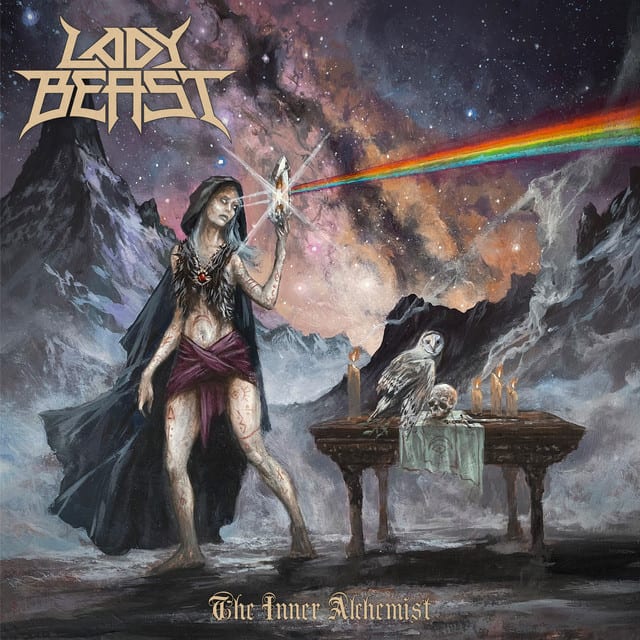
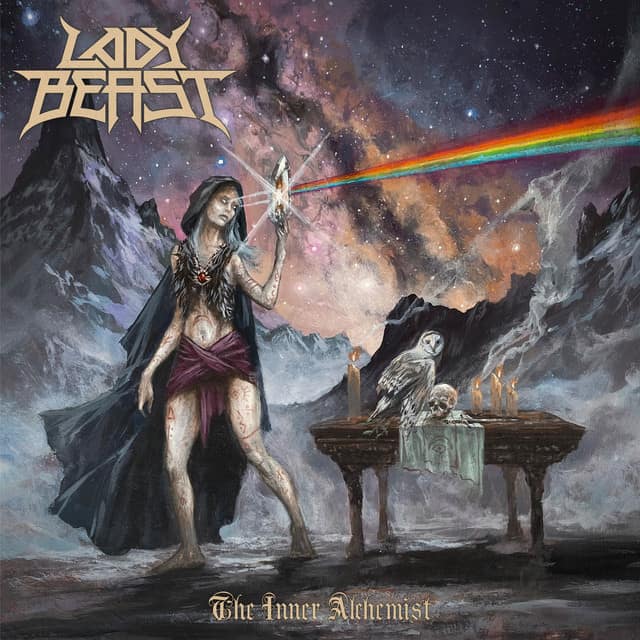
For Pennsylvania's metal community, these developments represent validation of approaches many local acts have long embraced. The state's Lady Beast exemplifies how traditional heavy metal can coexist and cross-pollinate with alternative approaches, creating hybrid sounds that feel both familiar and innovative.
International Perspectives and Thrash Foundations
The current alternative metal renaissance gains additional context from international voices like Kreator's Mille Petrozza, whose praise for Metallica's "Blackened" reinforces the interconnected nature of metal's various subgenres. Petrozza's appreciation for diverse heavy metal approaches reflects how genre boundaries have become more fluid, allowing for creative cross-pollination that benefits artists working in alternative metal spaces.
Similarly, Exodus guitarist Gary Holt's recent comments about vocalist Rob Dukes highlight the importance of finding artists who can "do ultra-aggressive, violent thrash better than anybody." This principle applies equally to alternative metal, where authentic emotional delivery often matters more than technical perfection. The potential We Are The Fallen reunion succeeds or fails based on whether the chemistry that created their initial impact can be recaptured and evolved.
These international perspectives matter for Pennsylvania's metal scene because they demonstrate how local acts can think globally while remaining rooted in regional communities. The state's metal bands increasingly understand that reaching broader audiences requires both authentic local identity and awareness of worldwide metal trends.
New Albums and Creative Momentum
The combination of Anthrax's upcoming "Cursum Perficio" album and Scott Ian's political commentary illustrates how veteran acts balance creative evolution with social awareness. This dual approach – advancing musically while engaging culturally – provides a roadmap for how reunited bands like We Are The Fallen might approach their potential return.
The Kovenant's Nagash revealing that half of their new album is "finished" after more than 20 years demonstrates that lengthy hiatuses don't necessarily diminish creative potential. For We Are The Fallen, this precedent suggests that their time apart might have allowed individual growth that could benefit their collective return.
Pennsylvania's metal scene benefits from these examples of patient, deliberate album creation. Local acts can observe how established artists balance fan expectations with personal artistic growth, learning valuable lessons about sustainable creative careers in heavy music.
Looking Forward: Alternative Metal's Pennsylvania Future
As We Are The Fallen contemplates their potential return and other veteran acts navigate their own creative challenges, Pennsylvania's alternative metal scene finds itself uniquely positioned. The state's diverse metal community includes everything from Deathwhite's gothic doom approaches to more traditional heavy metal acts, creating an environment where alternative metal can flourish.
The broader industry trends toward reunion announcements, collaborative festival performances, and patient album creation all favor Pennsylvania's metal ecosystem. Local venues can host reunited acts testing new material, while local bands can learn from veteran approaches to balancing legacy with innovation.
Memorial moments like the annual remembrance of Ronnie James Dio's passing remind the metal community of its foundational values: authenticity, community, and the power of heavy music to create lasting connections. These values remain central to both veteran comebacks and emerging artist development within Pennsylvania's metal scene.
The potential We Are The Fallen reunion represents more than just another band getting back together. It signals alternative metal's continued vitality and its ability to attract both original audiences and new listeners. For Pennsylvania's metal community, this renaissance creates opportunities for local acts to connect with broader movements while maintaining their unique regional identity. Whether Ben Moody and his collaborators ultimately reform We Are The Fallen or not, their consideration of reunion reflects alternative metal's enduring appeal and creative potential.