Thrash Metal's Enduring DNA and Artificial Intelligence Debates: Pennsylvania's Heavy Scene Navigates Music Technology's Complex Future
The metal world finds itself at a fascinating crossroads where veteran wisdom meets technological uncertainty. Recent industry discussions about thrash metal's lasting influence and artificial intelligence's role in music creation are sparking debates that resonate deeply within Pennsylvania's diverse heavy music community.
Thrash Metal's Genetic Code Lives On
Dark Angel drummer Gene Hoglan's recent observations about thrash metal's pervasive influence on subsequent genres strike at the heart of heavy music's evolutionary tree. His assertion that "thrash influenced everything that came after it" holds particular weight when examining Pennsylvania's metal landscape, where the genre's DNA continues to manifest in countless forms.
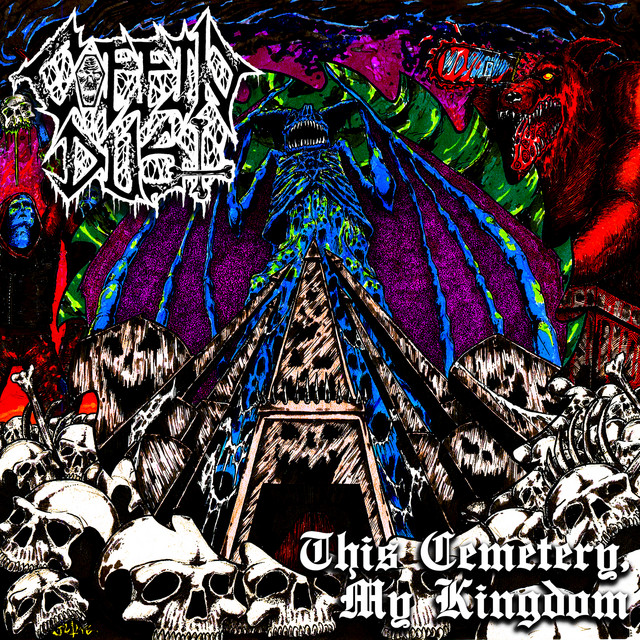
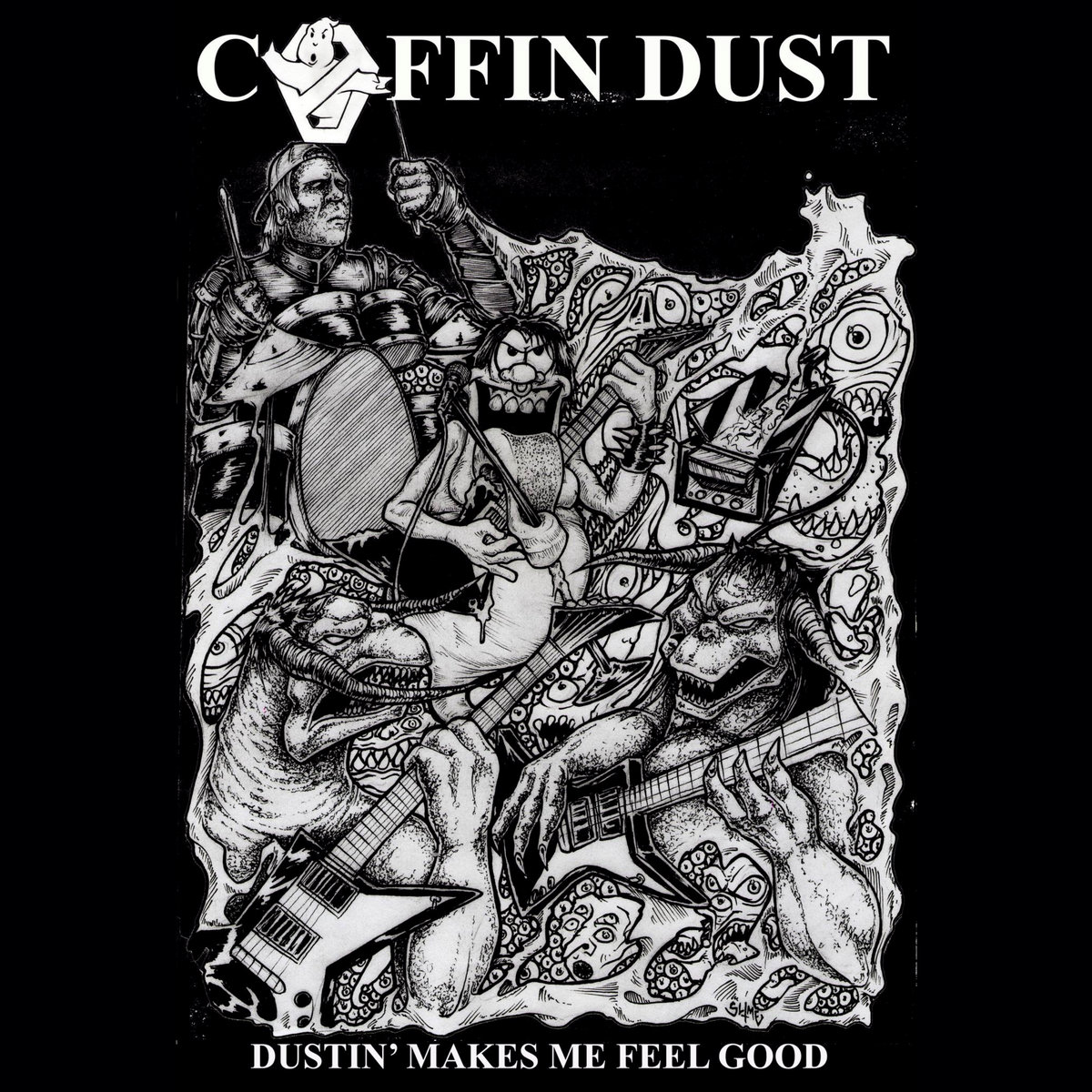
The thrash foundation runs deep through the Keystone State's metal scene. Bands like Coffin Dust carry forward the crossover thrash tradition that Hoglan describes, blending the aggressive precision of classic thrash with death metal's intensity. This evolutionary approach reflects exactly what Hoglan meant when discussing thrash's wide-ranging influence on everything from grunge to modern extreme metal.
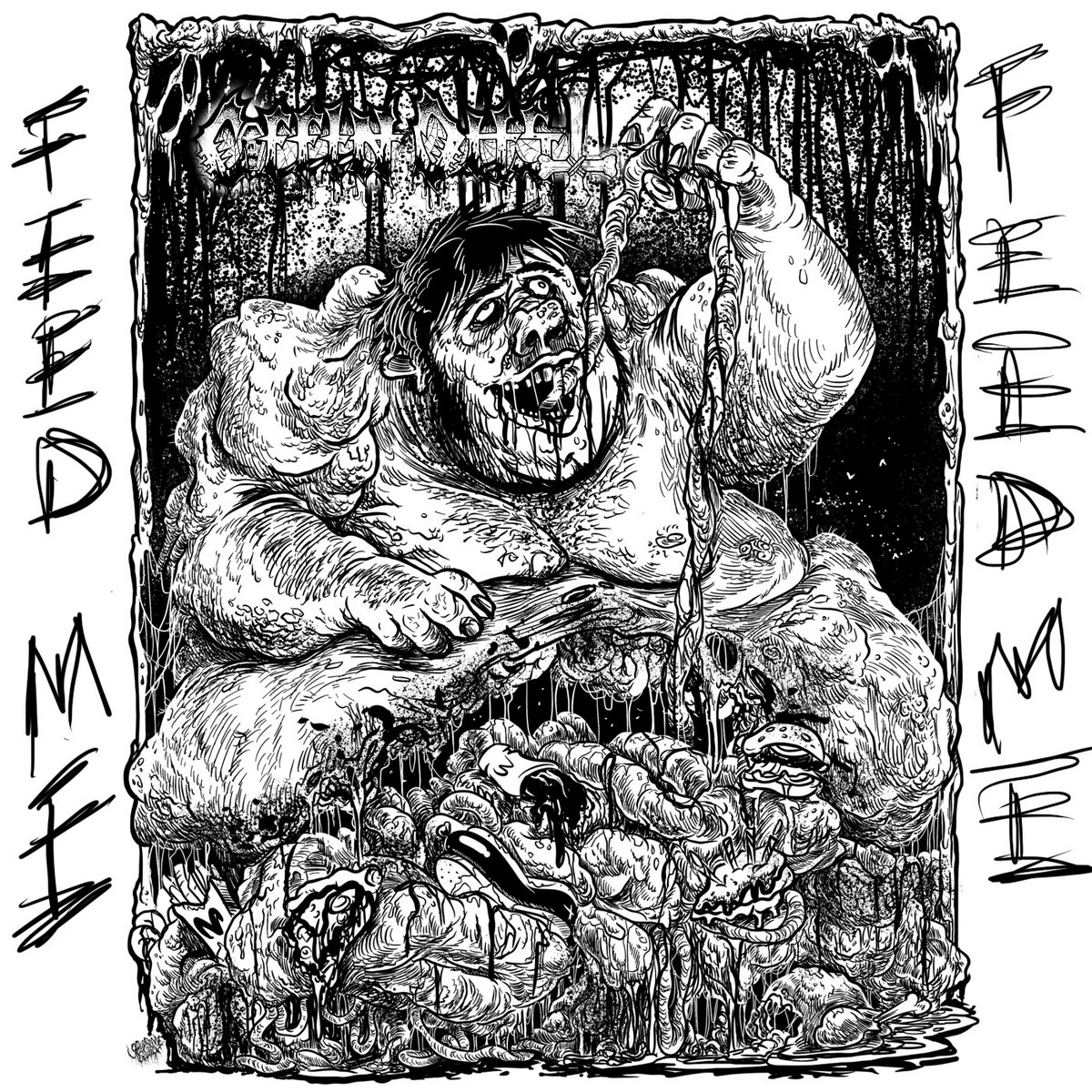
Pennsylvania's thrash legacy isn't just historical—it's actively shaping new metal bands 2026 and beyond. The state's crossover thrash scene, in particular, demonstrates how the genre's foundational elements continue evolving. Groups are taking those classic speed-driven riffs and angular rhythms that defined early thrash and pushing them into territories that would make the Bay Area pioneers proud.
The grunge connection Hoglan mentioned resonates strongly here too. Pennsylvania's alternative and post-grunge acts have long incorporated the rhythmic complexity and aggressive dynamics that thrash pioneered in the 1980s. This cross-pollination created a unique regional sound that bridges multiple genres while maintaining that essential heaviness.
The AI Music Debate Intensifies
Former Megadeth bassist David Ellefson's blunt critique of artificial intelligence in music—"it's not that intelligent and it's artificial"—captures the unease many musicians feel about technology's increasing role in creative processes. His concerns about AI music generators creating melodies, harmonies, and lyrics through algorithms touch on fundamental questions about artistic authenticity that Pennsylvania's metal scene grapples with daily.
For Pennsylvania metal scene veterans and newcomers alike, the AI debate represents more than just technological advancement—it's about preserving the human element that makes heavy music so visceral and emotionally powerful. The state's underground scene has always prized authenticity and raw expression, values that seem increasingly precious in an AI-driven world.
Ellefson's perspective resonates particularly strongly among Pennsylvania's extreme metal communities, where technical proficiency and creative originality are highly valued. Brutal death metal acts and progressive metal bands in the state rely heavily on the kind of complex musical interplay and emotional intensity that current AI systems struggle to replicate convincingly.
The concerns extend beyond composition into performance philosophy. John 5's approach to playing Mötley Crüe songs—maintaining exact fidelity to original recordings—represents one school of thought about musical authenticity. His commitment to preserving every nuance of the original performances stands in stark contrast to AI's tendency toward approximation and algorithmic interpretation.
Authentic Performance in the Digital Age
John 5's meticulous approach to recreating classic songs raises important questions about musical interpretation versus preservation. His philosophy of playing tracks "exactly like how it was recorded" reflects a dedication to honoring original artistic vision that many Pennsylvania musicians can appreciate.
This attention to detail becomes particularly relevant when considering how the best metal bands maintain their legacy while incorporating new members. Pennsylvania's metal scene has witnessed numerous lineup changes over the years, and the question of how to balance faithful reproduction with personal expression remains constant.
The debate extends beyond cover songs into how bands approach their own catalog. Should classic tracks be played exactly as recorded, or should they evolve with the band's growth? Pennsylvania's progressive metal acts often face this dilemma as their technical abilities and musical perspectives develop over time.
For emerging bands in Pennsylvania's scene, John 5's approach offers valuable lessons about respecting musical heritage while finding space for personal expression. The balance between faithful reproduction and creative interpretation becomes crucial when covering influential tracks or joining established acts.
Technology's Double-Edged Impact
The intersection of AI concerns and performance authenticity creates complex challenges for Pennsylvania's metal community. While Ellefson's skepticism about artificial intelligence reflects legitimate concerns about creative authenticity, technology also offers unprecedented opportunities for musical exploration and production.
Pennsylvania's studio scene has embraced digital recording and production tools that would have seemed like science fiction to earlier generations of metal musicians. The question becomes where to draw the line between helpful technology and creative replacement.
Many Pennsylvania metal bands find themselves using digital tools for everything from recording demos to promoting their music online, while maintaining skepticism about AI's role in actual composition. This selective embrace of technology reflects a broader industry trend toward leveraging digital tools while preserving human creativity.
The vocal approach discussion from Devin Townsend—focusing on mental preparation over technical exercises—offers another perspective on authentic performance in the modern era. His emphasis on "sorting your head out" rather than traditional vocal training speaks to the importance of emotional authenticity in metal performance.
Live Experience and Digital Distraction
Geoff Tate's observations about concertgoers watching shows through phone screens connect to broader concerns about authentic musical experience in the digital age. His call for audiences to "immerse yourself" in live performances highlights the tension between documenting experiences and actually experiencing them.
Pennsylvania's metal venues, from intimate clubs to larger amphitheaters, face the same challenges Tate describes. The desire to capture and share live moments often conflicts with the raw, immediate experience that makes metal concerts so powerful.
For Pennsylvania's developing bands, this creates additional pressure to deliver visually compelling performances that work both for present audiences and future digital consumption. The balance between authentic expression and social media-friendly moments becomes another creative challenge to navigate.
Regional Scene Implications
These industry-wide discussions about authenticity, technology, and musical heritage have particular relevance for Pennsylvania metal scene development. The state's diverse heavy music community must navigate these challenges while building sustainable careers and maintaining artistic integrity.
Live Nation's announcement of $30 summer shows featuring major acts like Iron Maiden and Rob Zombie creates new competitive dynamics for regional bands. Pennsylvania acts must consider how affordable major touring affects local show attendance and venue economics.
The accessibility of major touring acts at lower prices could either hurt local scenes by drawing audiences away from smaller shows, or help by introducing more people to live metal experiences who might then seek out regional bands.
Pennsylvania's metal community has always demonstrated resilience and adaptability in the face of industry changes. The current debates about AI, authentic performance, and live experience represent the latest challenges that will likely spark creative solutions and innovative approaches.
As the Pennsylvania metal scene continues evolving, the fundamental values that Hoglan, Ellefson, and other veterans champion—authenticity, human creativity, and genuine musical connection—remain central to what makes heavy music so enduringly powerful. The technology may change, but the need for real emotional expression through heavy music remains constant.