Supergroups and Solo Ventures: Metal's Collaborative Renaissance Inspires Pennsylvania's Experimental Underground
The metal world is witnessing an unprecedented surge of collaborative projects and solo ventures that's reshaping how we understand creative partnerships in heavy music. From Bear McCreary's star-studded album featuring Slash, Corey Taylor, and Serj Tankian to Erik Grönwall's powerful solo work following his Skid Row departure, established artists are embracing experimental collaborations that offer valuable lessons for Pennsylvania's diverse metal community.
The Supergroup Renaissance Takes Center Stage
Bear McCreary's upcoming summer album represents everything exciting about metal's current collaborative spirit. By bringing together Corey Taylor's versatility, Serj Tankian's politically-charged artistry, Joe Duplantier's environmental consciousness, and Slash's legendary guitar work, McCreary is creating something that transcends traditional genre boundaries. This type of ambitious cross-pollination demonstrates how best metal bands are increasingly willing to step outside their comfort zones.
The formation of Kings of Thrash, featuring former Megadeth members David Ellefson and Jeff Young alongside Steve 'Zetro' Souza, shows how veteran musicians are finding new ways to channel their experience. Their latest single "Bullets Ready" proves that supergroups aren't just nostalgia acts—they're legitimate creative forces pushing the genre forward through the wisdom of experience combined with fresh collaborative energy.
This trend toward collaboration is particularly relevant for Pennsylvania's metal scene, where diverse subgenres coexist and cross-pollinate. The state's underground has always fostered experimental approaches, from the doom-laden atmospheres of Moons to the technical precision found in progressive acts throughout the region.
Solo Artistry Emerges from Band Constraints
Erik Grönwall's departure from Skid Row and subsequent solo album "Bad Bones" illustrates another crucial trend: established vocalists breaking free from band dynamics to explore personal artistic visions. His deeply personal single "Praying For A Miracle" demonstrates how solo ventures allow artists to address subjects and emotions that might not fit within a band's collective identity.
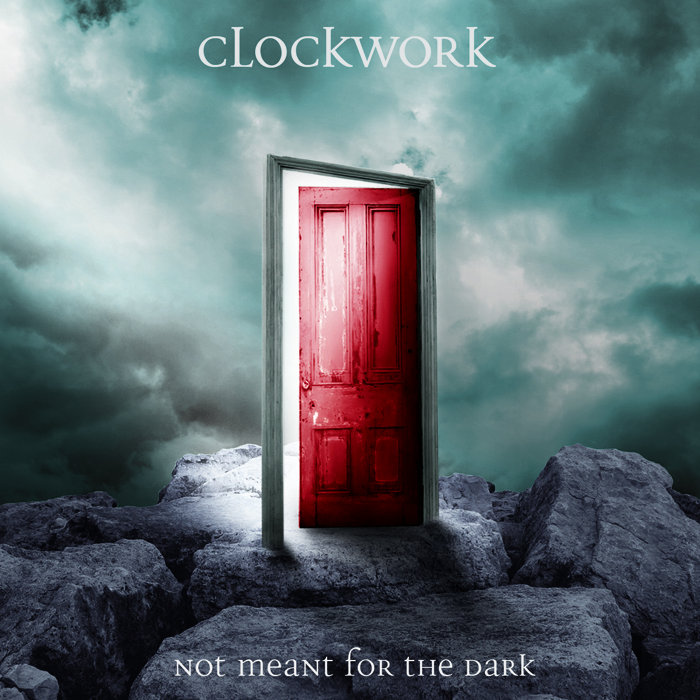
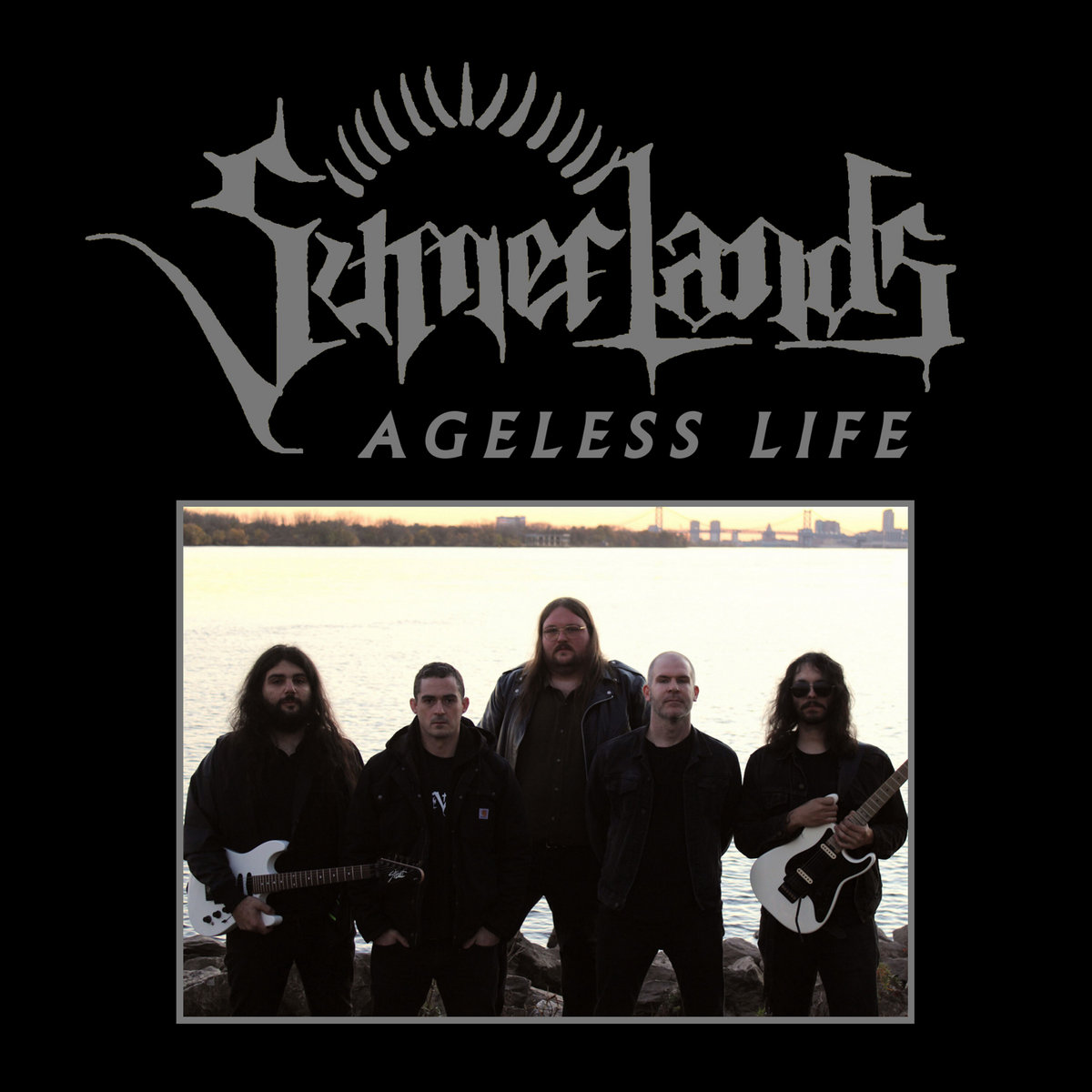
This individual artistic exploration is something Pennsylvania metal artists understand intimately. The state's metal musicians have long balanced collaborative band work with personal creative projects, understanding that both approaches serve different artistic needs. The success of acts across multiple genres—from the groove metal innovations of Clockwork to the traditional metal craftsmanship of Sumerlands—shows how Pennsylvania artists naturally embrace both collaborative and individual creative expression.
Legacy Acts Navigate Creative Evolution
The ongoing saga of King Diamond's delayed "Saint Lucifer's Hospital 1920" trilogy highlights the complex dynamics within established metal acts. Andy La Rocque's patient wait for King Diamond to complete his songwriting process reveals how creative partnerships must evolve over decades, balancing individual artistic vision with collaborative execution.
Similarly, Nazareth's recent addition of singer Gianni Pontillo demonstrates how veteran acts can successfully integrate new blood while maintaining their core identity. Pete Agnew's description of Pontillo as "a gift from the gods" shows how the right collaborative chemistry can rejuvenate bands that have been performing for decades.
These examples of creative evolution resonate strongly within the Pennsylvania metal scene, where many acts have successfully navigated lineup changes and artistic growth. The state's metal community has always emphasized longevity and artistic development over quick commercial success, creating an environment where both established and new metal bands 2026 can explore their creative potential without industry pressure.
Genre Fusion and Experimental Approaches
Armored Saint's latest work "Hit A Moonshot" exemplifies how veteran metal acts are embracing both tradition and innovation. By combining their classic metal foundation with contemporary production techniques and fresh songwriting approaches, they're demonstrating how established bands can remain relevant without abandoning their core identity.
This balance between tradition and innovation is particularly evident in Pennsylvania's underground metal scene, where acts routinely blend genres and experiment with unconventional approaches. The state's metal musicians understand that collaboration—whether within bands or between different acts—often produces the most interesting creative results.
The psychedelic and stoner influences emerging in acts like Eyedress's "Stoner Olympics" project show how metal's boundaries continue to expand, incorporating elements from entirely different musical worlds. This genre fluidity offers exciting possibilities for Pennsylvania's doom and stoner metal acts, who can draw inspiration from these cross-genre collaborations.
Archival Discoveries and Historical Appreciation
The discovery of unreleased Type O Negative material from the "October Rust" era demonstrates how collaborative history continues to yield treasures. When band members unearth forgotten demos and unreleased tracks, they're not just finding old songs—they're rediscovering collaborative moments that can inform current creative work.
This appreciation for musical history and archival material is deeply embedded in Pennsylvania's metal culture. The state's metal musicians have always understood the importance of preserving their creative legacy while building upon foundational influences. This historical awareness informs both individual artistic development and collaborative partnerships.
The Pennsylvania Connection
While these national and international developments might seem distant from Pennsylvania's underground, they actually reflect principles that have long defined the state's metal scene. Pennsylvania's metal community has always emphasized artistic integrity over commercial considerations, collaborative spirit over ego-driven competition, and creative evolution over stylistic stagnation.
The current renaissance of supergroups and solo projects offers Pennsylvania metal artists valuable models for balancing individual artistic vision with collaborative creation. Whether through informal jam sessions, temporary project bands, or formal supergroup formations, the state's metal musicians can learn from how established artists are navigating these creative partnerships.
For metal bands from Pennsylvania looking to expand their creative horizons, the current industry trends suggest that collaboration and experimentation are not just accepted—they're encouraged. The success of cross-genre projects and veteran artist collaborations demonstrates that audiences are hungry for authentic artistic exploration rather than formulaic repetition.
As Pennsylvania's metal scene continues to evolve, these national trends toward collaborative experimentation and individual artistic expression provide both inspiration and practical guidance. The state's metal artists are well-positioned to contribute to this collaborative renaissance while maintaining the independent spirit and creative integrity that has always defined Pennsylvania's contribution to heavy music.
The future belongs to artists willing to explore beyond traditional boundaries while respecting the collaborative foundations that make metal such a powerful creative force. Pennsylvania's metal community, with its diverse influences and experimental spirit, is perfectly positioned to lead this creative evolution.