Covers Culture Renaissance: Veteran Metalcore Acts Embrace Interpretation Projects While Industrial Remixes Signal Cross-Genre Innovation
The metal scene is experiencing a fascinating cultural shift toward reinterpretation, with established acts diving deep into covers projects and industrial veterans breathing new life into nu-metal classics through ambitious remix endeavors. This trend reflects a mature approach to musical dialogue that goes far beyond simple tribute albums, signaling creative confidence and cross-pollination that Pennsylvania's diverse metal community can learn from and contribute to.
Metalcore Veterans Embrace Covers as Creative Expression
Zao's announcement of their upcoming covers EP "Pillars" represents more than just a side project—it's part of a broader movement where veteran metalcore acts are using interpretation as a vehicle for artistic growth. The project demonstrates how established bands are finding new ways to connect with their influences while maintaining their creative momentum between major releases.
This approach to covers culture differs significantly from the traditional tribute album model. Rather than simple recreations, these projects often serve as creative laboratories where bands can experiment with arrangements, production techniques, and stylistic approaches that might influence their future original material. The fact that Zao has additional projects in development alongside "Pillars" suggests this interpretive work is becoming an integral part of their creative process.
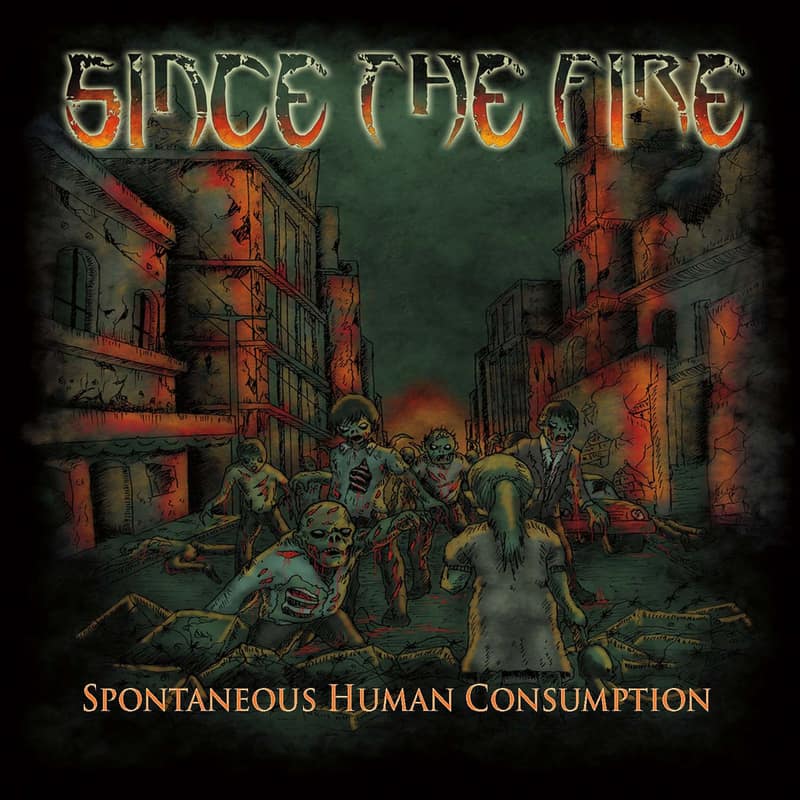
For Pennsylvania's metalcore scene, this trend offers valuable insights into sustainable creative practices. Bands like Since the Fire could potentially explore similar interpretive projects as a way to bridge the gap between releases while demonstrating their musical versatility and paying homage to their influences.
Industrial Metal's Nu-Metal Renaissance
The collaboration between industrial pioneers Die Krupps and nu-metal stalwarts Powerman 5000 on a remix of "When Worlds Collide" represents another fascinating dimension of this reinterpretation movement. Industrial metal's influence on nu-metal has always been significant, but seeing veteran industrial acts directly engaging with nu-metal material through remix work suggests a renewed appreciation for the genre's innovative spirit.
This cross-generational collaboration highlights how different metal subgenres are finding common ground through reinterpretation. Die Krupps' industrial expertise applied to Powerman 5000's nu-metal foundation creates something entirely new while respecting both artists' core identities. The fact that this remix is part of a larger reissue project for "The Noble Rot" indicates that even catalog material is being viewed through fresh creative lenses.
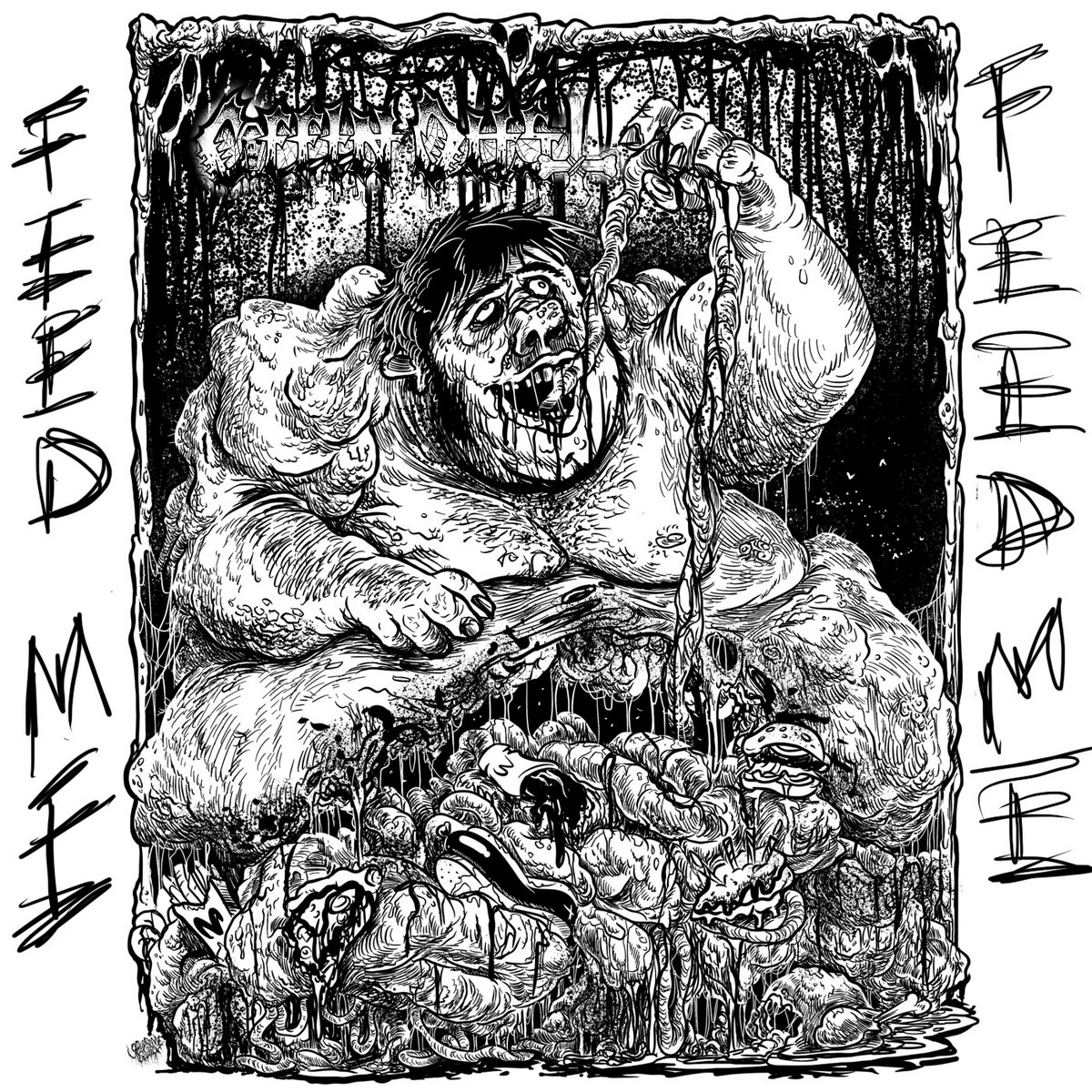
Pennsylvania's industrial and crossover scenes could draw inspiration from this collaborative approach. The state's crossover thrash bands like Coffin Dust already operate in the space between genres, and seeing established acts embrace this kind of creative dialogue could encourage more experimental collaboration within the Commonwealth's metal community.
Lineup Changes and Creative Evolution
All That Remains' decision to bring in Emil Werstler from Chimaira and Dååth for their spring tour represents another aspect of how established metal acts are approaching creative continuity. Rather than simply finding a replacement guitarist, they've chosen a musician with significant credentials in technical death metal and groove metal, suggesting an openness to letting new influences shape their live presentation.
Werstler's background in more extreme metal territories could introduce interesting dynamics to All That Remains' performance style. His experience with Chimaira's groove-oriented approach and Dååth's technical complexity offers the band an opportunity to explore different interpretations of their catalog during live performance.
This kind of strategic personnel decision reflects a mature understanding of how lineup changes can serve creative purposes beyond simple necessity. Pennsylvania's metal bands, particularly those in the groove metal and thrash metal scenes, could benefit from viewing lineup changes as opportunities for artistic exploration rather than mere practical solutions.
Death Metal's Interpretive Ambitions
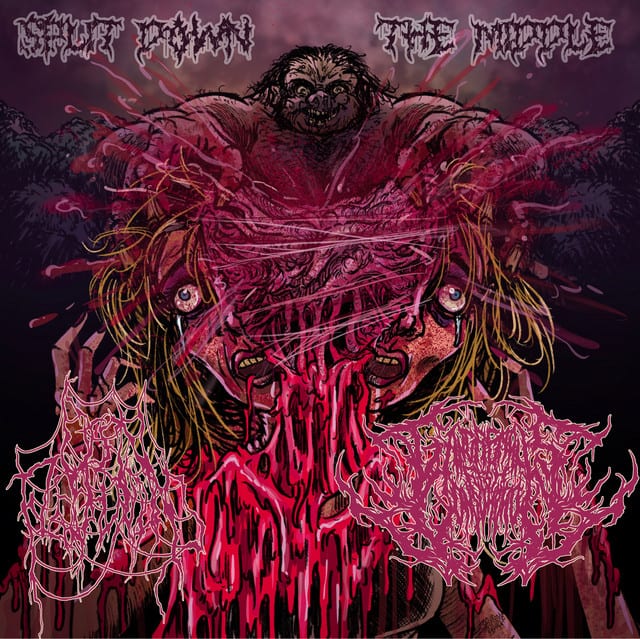
The broader death metal scene is also embracing this interpretive approach, with established acts announcing projects that blend original composition with reinterpretation of classic material. Disfiguring The Goddess' upcoming album "Bloom" and new track "Low Slam Low" represent how slam death metal acts are continuing to push the boundaries of their subgenre while maintaining connection to its foundational elements.
Meanwhile, Autopsy's announcement of recording plans for a 2027 release demonstrates how veteran death metal acts are taking their time to ensure new material serves the legacy they've built. This patient approach to creative development contrasts with the rapid-fire release schedules that dominate much of today's metal landscape.
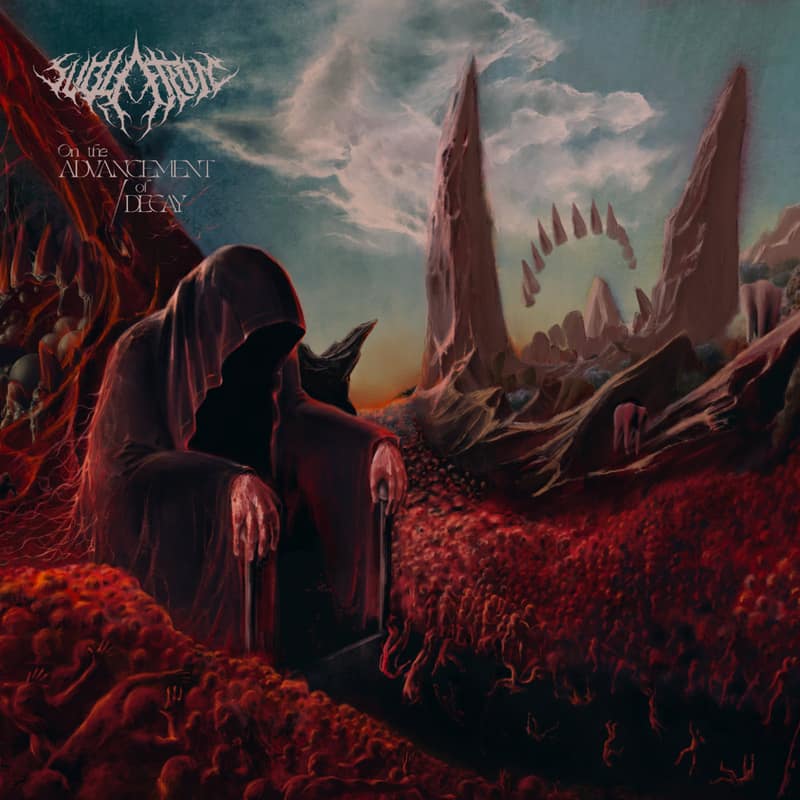
Pennsylvania's death metal scene, including bands like Sublation working in technical death metal territories, can observe how established acts balance innovation with tradition. The state's brutal death metal community, represented by acts like Gangrenous Flesh Consumption, operates in similar creative territories where respect for subgenre traditions must coexist with the drive for artistic advancement.
Regional Implications and Creative Opportunities
This renaissance of interpretive projects and cross-genre collaboration creates significant opportunities for Pennsylvania's metal scene. The state's diverse musical infrastructure, from Philadelphia's hardcore-influenced metalcore to Pittsburgh's industrial-tinged metal acts, provides an ideal environment for the kind of creative cross-pollination that's driving these national trends.
Pennsylvania's position between major music markets gives local acts unique perspective on how different regional scenes approach covers, remixes, and collaborative projects. Bands operating in multiple subgenres can draw from various traditions while developing their own interpretive approaches.
The growing acceptance of covers projects as legitimate creative vehicles also opens new avenues for Pennsylvania acts to demonstrate their range and connect with broader audiences. Rather than viewing interpretation as secondary to original composition, bands can embrace it as an integral part of their artistic development.
Industry Evolution and Creative Sustainability
These trends reflect broader changes in how metal acts approach creative sustainability and fan engagement. Covers projects, remix collaborations, and interpretive albums provide ways for established bands to maintain creative momentum while exploring new territories. They also offer fans deeper insight into artists' influences and creative processes.
The industrial metal and nu-metal revival aspects of these projects suggest that the metal community is becoming more comfortable revisiting and recontextualizing recent history. This openness to creative dialogue across generational lines could benefit Pennsylvania's metal scene, where veteran acts and emerging bands often operate in parallel rather than collaborative networks.
For the best metal bands looking to expand their creative horizons, these interpretive approaches offer proven models for artistic exploration. The Pennsylvania metal scene's diversity provides numerous opportunities for the kind of cross-genre collaboration and creative reinterpretation that's driving innovation in the broader metal community.
As these trends continue to develop, Pennsylvania's metal acts have the opportunity to contribute their own perspectives to this interpretive renaissance. The state's rich musical heritage and diverse contemporary scene provide ideal conditions for creative projects that honor tradition while pushing artistic boundaries. The key lies in understanding that interpretation and collaboration aren't creative shortcuts—they're sophisticated artistic practices that require the same commitment and vision as any original composition.