Pennsylvania's Extreme Metal Studios Drive National Recognition While Keystone State Veterans Navigate Industry Evolution

Pennsylvania's metal infrastructure continues to prove its worth on the national stage, with Undeath's recent signing to Relapse Records serving as the latest testament to the Commonwealth's recording prowess. The New York death metal outfit chose Menegroth / The Thousand Caves Studio in Pennsylvania for their fourth full-length album, working with renowned producer Colin Marston to craft what promises to be their most devastating release yet.
This Pennsylvania studio connection isn't coincidental—it's part of a broader trend that sees the state's recording facilities becoming destinations for extreme metal acts seeking that perfect balance of technical expertise and underground credibility. Marston's work with acts like Krallice, Gorguts, and Origin has established Pennsylvania as a legitimate death metal recording hub, competing with traditional hotspots like Florida and Sweden.
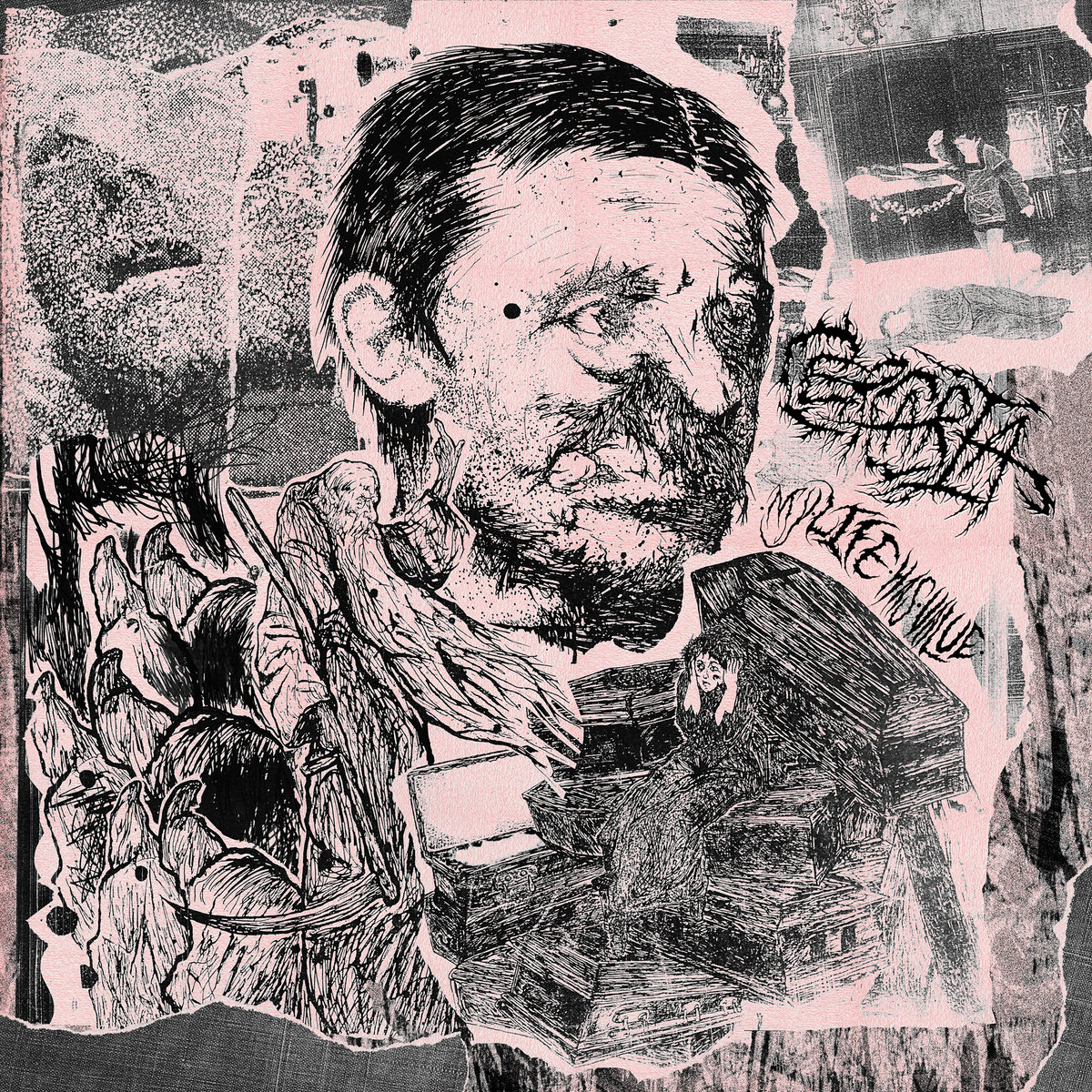
The ripple effects extend throughout Pennsylvania's own death metal community. Bands like Cercaria, who blend brutal death metal with sludge influences, benefit from having world-class recording infrastructure in their backyard. Similarly, acts like Murder Method and Trephination find themselves part of an ecosystem where extreme metal production standards continue to rise.
Genre Evolution Creates New Opportunities
The broader metal landscape is experiencing significant shifts that create opportunities for Pennsylvania's diverse scene. Theory of a Deadman's return with their aggressive single "Barricade" signals a renewed interest in harder-edged alternative metal, a space where Pennsylvania acts have historically thrived. The track's emphasis on "gritty riffs, anthemic hooks and unfiltered lyricism" mirrors the approach many Commonwealth bands have perfected over decades.
This evolution toward heavier sounds provides openings for Pennsylvania's alternative metal veterans like Halestorm, who have consistently delivered the kind of urgent, guitar-driven material that's finding renewed commercial success. The success of harder alternative metal also benefits the broader Pennsylvania metal ecosystem, drawing attention to a region that's never shied away from aggressive, uncompromising music.
Meanwhile, Boundaries' announcement of their new album "Yearning: The Unbeautiful After" comes with a pointed statement about heavy music losing its edge. Their assertion that "this genre is supposed to be threatening; it should have an edge and make you feel something" resonates strongly with Pennsylvania's underground metal philosophy. Local acts like Squalor, who blend black metal, death metal, and grindcore into an uncompromising assault, embody exactly the kind of threatening urgency Boundaries advocate for.
International Metal Politics Hit Close to Home
The situation surrounding Ukrainian black metal act 1914, who accused Italian authorities of stealing money raised for the Ukrainian military, highlights how international politics increasingly intersect with metal culture. This controversy underscores the importance of bands taking political stands, something Pennsylvania's metal scene has never hesitated to do.
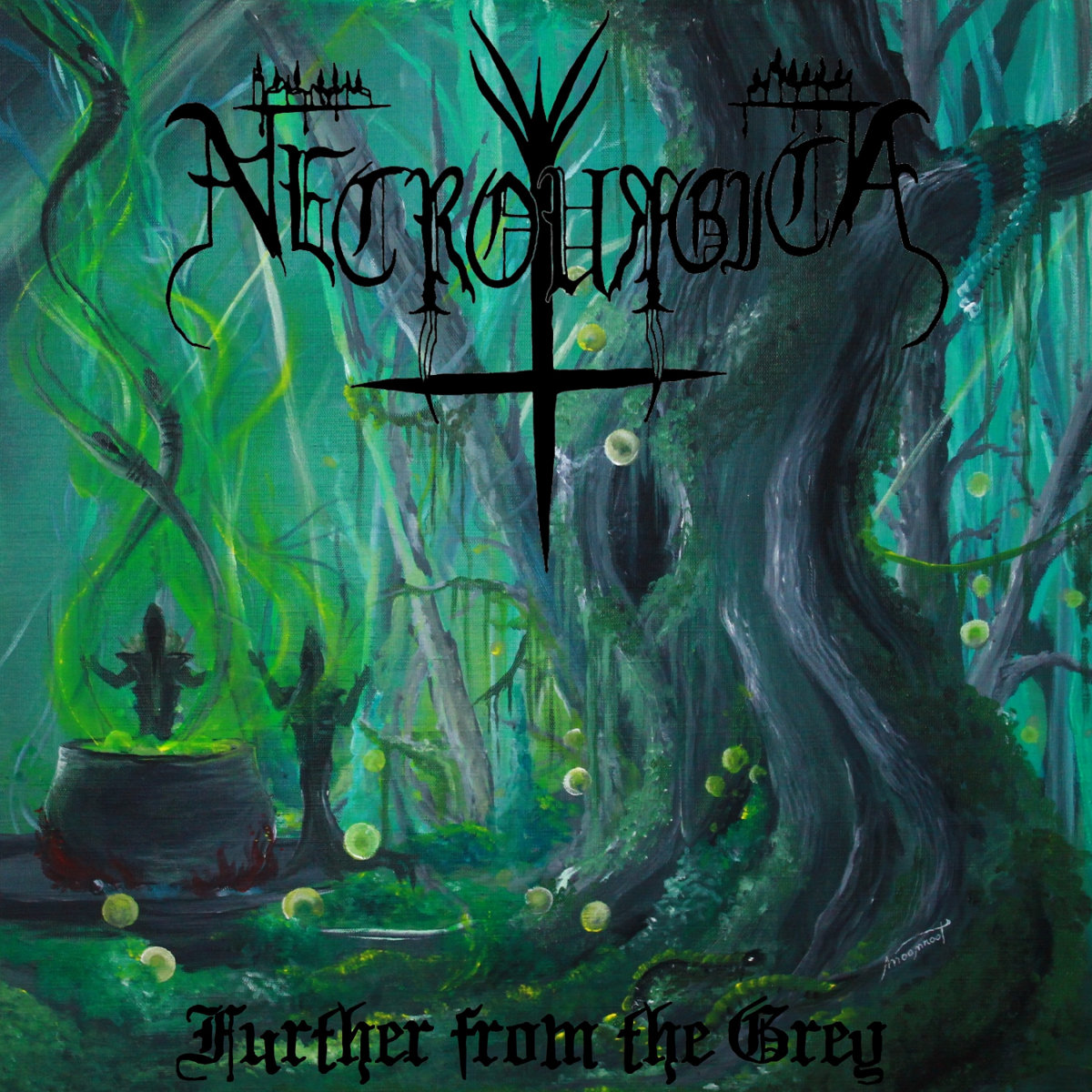
The incident also demonstrates how extreme metal bands often find themselves at the intersection of art and activism. Pennsylvania's own black metal scene, including acts like Ethereal Corpus and Necrourgica, operates in an environment where political expression and musical extremism often intertwine. The 1914 situation serves as a reminder that metal's political dimension extends far beyond simple rebellion—it involves real-world consequences and genuine activism.
This political awareness has always been part of Pennsylvania metal DNA, from the industrial heritage that influences bands' lyrical content to the working-class backgrounds that fuel aggressive musical expression. When international metal acts face political persecution, it resonates with Pennsylvania musicians who understand that heavy music often serves as a vehicle for broader social commentary.
Legacy Acts Navigate Legal and Personal Challenges
The resolution of Sharon Osbourne's legal dispute with Black Sabbath's first manager over early recordings from their pre-Sabbath days as Earth offers lessons for Pennsylvania's veteran acts about catalog management and historical preservation. The case, which involved unreleased material from 1969, demonstrates the ongoing value of early recordings and the importance of clear ownership rights.
For Pennsylvania metal veterans, this situation highlights the need for careful documentation and legal protection of early material. Acts like Armageddon, who have been operating since the state's thrash metal explosion, understand the importance of controlling their musical legacy while navigating the complex relationships between band members, managers, and record labels.
More personally impactful is Coal Chamber drummer Mikey "Bug" Cox's revelation about his Stage 3 cancer diagnosis and successful treatment. His decision to auction off his drum kit for charity while preparing for Sick New World festival appearances demonstrates the resilience that defines metal culture. Cox's situation resonates throughout Pennsylvania's tight-knit metal community, where musicians frequently support each other through personal crises.
The drummer's story also highlights how metal musicians often use their platform for charitable purposes, transforming personal struggles into community support mechanisms. Pennsylvania bands regularly organize benefit shows and charity drives, understanding that the metal community's strength lies in its mutual support networks.
Documentary Culture and Historical Preservation
Blood Incantation's announcement of their "All Gates Open" documentary and soundtrack represents metal's growing embrace of historical documentation. This trend toward comprehensive band documentation creates opportunities for Pennsylvania acts to explore their own histories and creative processes.
The documentary approach allows bands to control their narrative while providing fans with deeper insight into creative processes. For Pennsylvania's progressive and technical metal acts like Anabiosis and Cranial Psyche, the documentary format could provide ideal platforms for exploring complex musical concepts and regional metal history.

This documentation trend also benefits Pennsylvania's metal infrastructure, potentially showcasing the state's recording studios, venues, and musical communities to broader audiences. As more bands embrace comprehensive storytelling, Pennsylvania's rich metal history becomes an increasingly valuable resource.
Farewell Tours and Career Transitions
Spirit Adrift's announcement of farewell shows on the Decibel Tour highlights how modern metal acts approach career transitions with strategic planning rather than dramatic breakups. Their methodical approach to ending the project while fulfilling fan expectations offers lessons for Pennsylvania bands navigating similar transitions.
The strategic farewell tour concept allows bands to conclude on their own terms while maximizing final opportunities for fan connection and financial stability. For Pennsylvania acts considering similar transitions, Spirit Adrift's approach demonstrates how career endings can be managed professionally while maintaining artistic integrity.
These developments collectively paint a picture of metal's increasing professionalization and strategic thinking. Pennsylvania bands, operating in an environment that values both underground credibility and professional competence, are well-positioned to benefit from these evolving industry standards.
The state's metal scene continues to evolve alongside these broader industry trends, maintaining its reputation for uncompromising music while adapting to new opportunities in recording, documentation, and career management. As extreme metal gains recognition through major label signings and international attention, Pennsylvania's role as both a creative hub and recording destination becomes increasingly significant.