Death Metal Studio Invasion: Pennsylvania Recording Sanctuaries Attract National Acts While Hardcore Veterans Document Decade-Long Struggles
Pennsylvania's recording studios are becoming the go-to destination for extreme metal acts seeking that perfect brutal sound, while the broader heavy music landscape witnesses veteran bands confronting their most personal struggles through intimate documentary work. These parallel developments reveal how the Commonwealth's metal infrastructure continues expanding its national influence.
The Keystone State's Studio Magnet Effect
New York death metal destroyers Undeath recently completed recording their fourth full-length album at Pennsylvania's legendary Menegroth / The Thousand Caves Studio, working with renowned producer Colin Marston. This choice represents more than geographical convenience—it signals Pennsylvania's emergence as a crucial hub for extreme metal production. The studio's reputation for capturing the raw, uncompromising sound that death metal demands has attracted acts from across the Northeast corridor.
Marston's work with technical death metal giants like Krallice, Gorguts, and Origin has established Pennsylvania as a destination where brutality meets precision. For bands like Undeath, who have built their reputation on corpse-grinding intensity, the Commonwealth's recording facilities offer the perfect marriage of old-school death metal authenticity and modern production techniques.
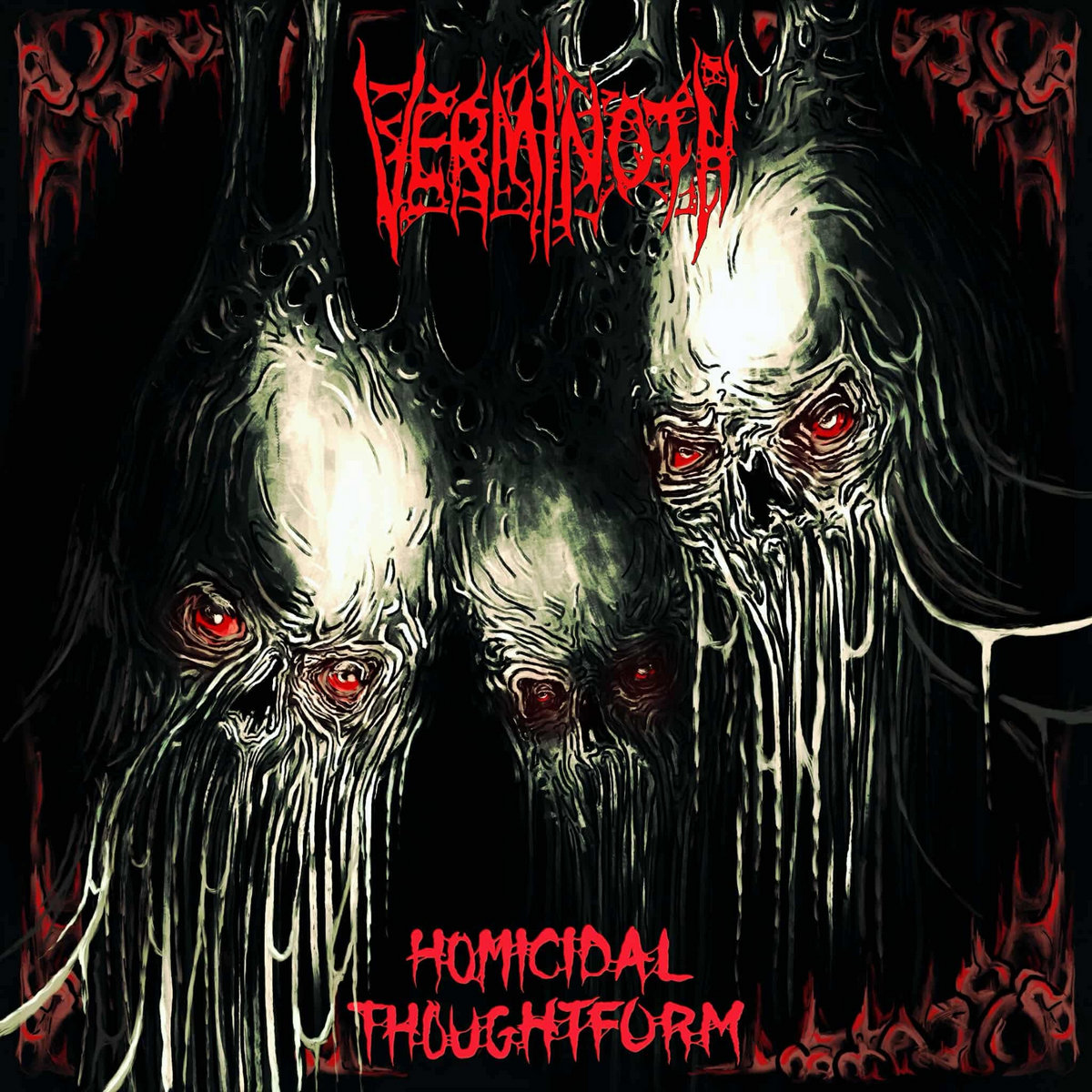
This trend benefits Pennsylvania's own death metal community immensely. Acts like Verminoth and Corpse Stove find themselves with access to world-class production resources right in their backyard, while the influx of national acts creates networking opportunities and raises the overall production standards across the regional scene.
Hardcore's Introspective Documentary Movement
While death metal focuses on external brutality, hardcore veterans are turning inward through documentary exploration. Terror's release of "A Deeper Struggle," a nearly 30-minute documentary filmed during their Latin American tour, represents hardcore's maturation into deeper self-examination. This shift toward documentary storytelling reflects the genre's evolution from pure aggression to nuanced emotional exploration.
The timing of this documentary release, coinciding with their tenth studio album "Still Suffer," demonstrates how established hardcore acts are contextualizing their longevity. After decades in the trenches, bands like Terror are documenting not just their music, but their survival strategies and the psychological toll of maintaining hardcore's uncompromising ethics in an evolving industry.
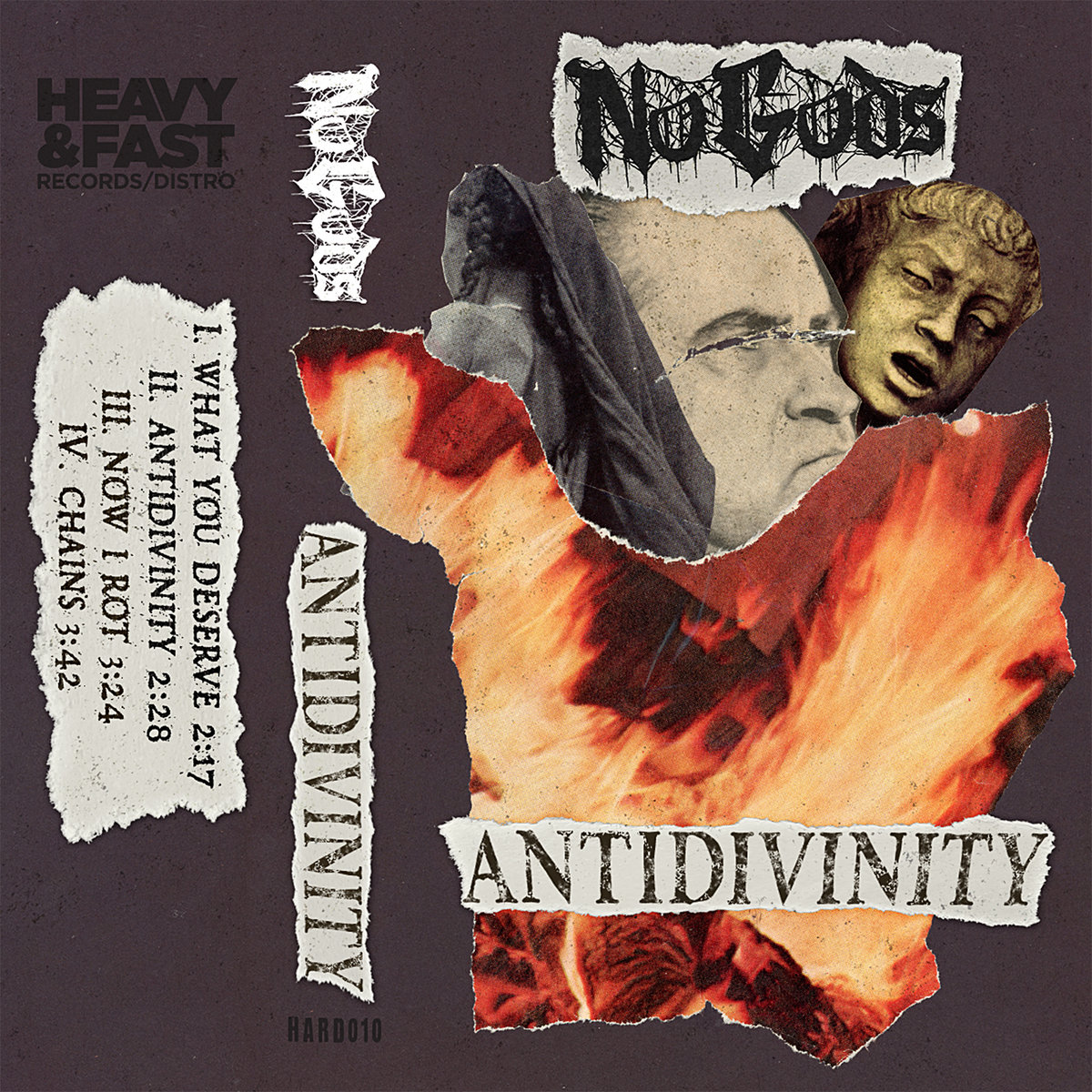
This documentary approach offers valuable lessons for Pennsylvania's hardcore scene. Bands like No Gods and other regional hardcore acts can learn from Terror's willingness to expose vulnerability alongside aggression, creating more complete artistic statements that resonate beyond traditional hardcore boundaries.
Regional Recording Renaissance
Pennsylvania's appeal as a recording destination extends beyond individual studio quality to the broader creative environment. The state's industrial heritage provides the perfect backdrop for extreme metal's thematic concerns, while its diverse geography offers isolation for intensive recording sessions. From Philadelphia's urban grit to rural mountain retreat locations, bands find environments that complement their artistic vision.
The Marston connection at Menegroth represents just one facet of Pennsylvania's expanding recording infrastructure. The state's studios are developing specializations that attract specific subgenres—some focus on the raw, organic sound that traditional death metal demands, while others embrace the technical precision required for progressive metal acts.
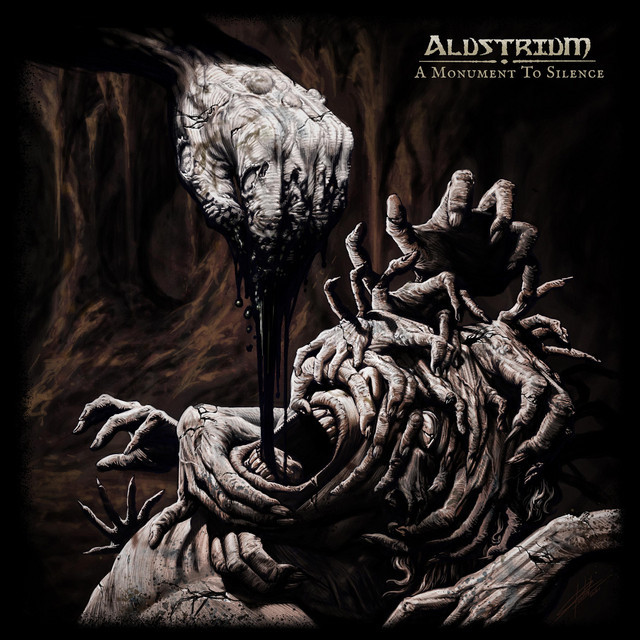
This specialization creates opportunities for Pennsylvania metal acts across the extreme spectrum. Progressive death metal bands like Alustrium benefit from having world-class technical recording options nearby, while brutal death metal acts like those in the slam death metal scene can access producers who understand their specific sonic requirements.
The Documentation Generation
Terror's documentary approach reflects a broader trend among veteran metal and hardcore acts who are contextualizing their careers through visual storytelling. This movement goes beyond traditional music videos or concert footage to explore the psychological and cultural impacts of decades spent in extreme music scenes.
For Pennsylvania bands, this documentary trend offers new avenues for artistic expression and audience connection. The state's rich industrial and cultural history provides compelling backdrops for bands seeking to document their own struggles and triumphs. From the steel mill closures that shaped bands like Dream Death's doom-laden perspective to the urban decay that informs Philadelphia's metal aesthetic, Pennsylvania offers narratively rich environments for documentary exploration.
The nearly 30-minute runtime of Terror's documentary suggests audiences are hungry for deeper content that goes beyond surface-level band promotion. Pennsylvania acts can capitalize on this appetite by documenting their own regional scenes, creating content that showcases not just individual bands but the broader cultural forces that shape the Commonwealth's metal identity.
Cross-Pollination Benefits
When national acts like Undeath choose Pennsylvania studios, they bring outside perspectives that influence local scenes. These recording sessions often involve Pennsylvania musicians as session players, engineers, or collaborators, creating knowledge transfer that elevates the entire regional scene.
The presence of established acts also attracts industry attention to Pennsylvania's metal community. Record label representatives, booking agents, and other industry professionals who might never have focused on the Commonwealth's scene suddenly find themselves paying attention when major acts repeatedly choose Pennsylvania facilities.
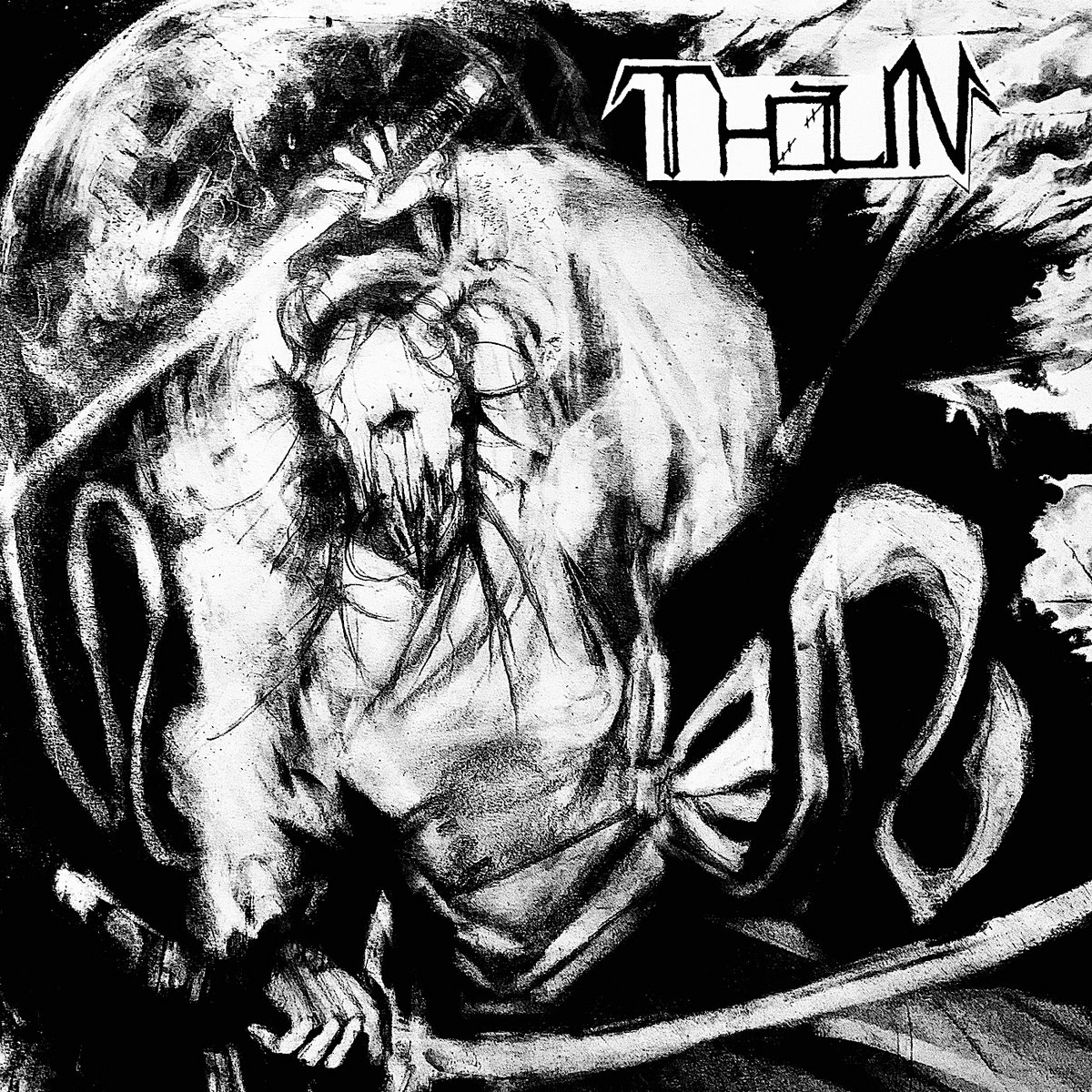
This increased visibility benefits bands across Pennsylvania's metal spectrum, from the atmospheric black metal of Tholin to the death-doom explorations of Susurrant Void. As Pennsylvania's reputation for quality extreme metal production grows, local acts find themselves with enhanced credibility and broader industry recognition.
Looking Forward
The convergence of Pennsylvania's growing recording reputation and the broader metal scene's embrace of documentary storytelling creates unique opportunities for regional acts. Bands can combine world-class production with compelling visual narratives that document their artistic development within Pennsylvania's distinct cultural landscape.
As more national acts discover Pennsylvania's recording advantages, the state's position as an extreme metal destination will likely strengthen. This growth benefits everyone from established acts seeking quality facilities to emerging bands learning from increased professional activity in their backyard.
The documentary trend also suggests new revenue streams and artistic outlets for Pennsylvania metal acts willing to explore storytelling beyond traditional album cycles. As audiences demonstrate appetite for deeper, more personal content from their favorite bands, Pennsylvania's rich industrial and cultural heritage provides perfect source material for compelling visual narratives.
Whether through studio collaborations with visiting acts or documentary projects that showcase regional identity, Pennsylvania's metal scene continues building infrastructure that supports both immediate creative needs and long-term artistic development. The Commonwealth's emergence as both a recording destination and a source of compelling metal narratives positions local acts for continued growth and industry recognition.