Logo Wars and Final Tours: Visual Identity Battles Define Metal's Brand Evolution While Pennsylvania Scene Embraces Authentic Imagery
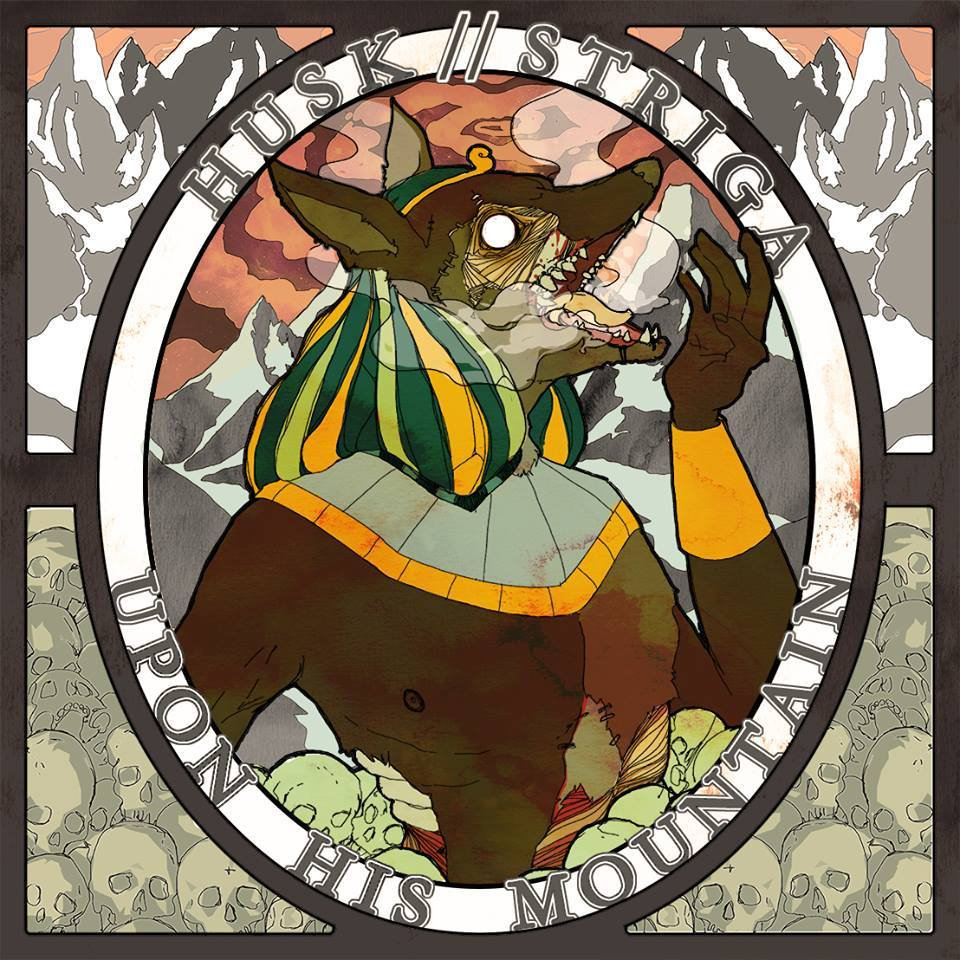
Metal's relationship with visual identity is experiencing a fascinating transformation, as evidenced by recent controversies and creative decisions that reveal deeper tensions between artistic evolution and fan expectations. From logo redesigns sparking heated debates to farewell tours marking the end of iconic eras, the metal community is grappling with questions of authenticity, tradition, and creative freedom in ways that directly impact regional scenes like Pennsylvania's diverse heavy music landscape.
The recent explanation from Lamb of God's Mark Morton about their logo change perfectly encapsulates these tensions. When a band as established as Lamb of God faces criticism over visual branding rather than musical content, it highlights how deeply fans connect with the aesthetic elements that define their favorite acts. Morton's response—that if logo complaints are the worst criticism they receive, then the music itself must be succeeding—reveals a pragmatic approach to fan reaction that many Pennsylvania bands could learn from.
This visual identity evolution extends beyond simple logo updates. It reflects metal's ongoing struggle between maintaining recognizable brand elements and allowing for creative growth. For Pennsylvania's metal community, this creates both challenges and opportunities. Established regional acts must balance their developed visual identity with the need to evolve, while newer bands face the daunting task of creating memorable imagery in an increasingly crowded marketplace.
Farewell Tours and Legacy Management
Sepultura's announcement of their farewell tour, coming 42 years after their formation in Brazil, represents another crucial aspect of metal's current landscape: how legendary bands manage their endings. The decision to embark on an extended goodbye rather than simply disappearing creates a template that other veteran acts are likely to follow. This approach maximizes both emotional impact and financial return while giving fans the closure they crave.
For Pennsylvania's metal scene, these farewell tours present significant opportunities. As major international acts plan their final runs, regional venues and local support acts benefit from increased touring activity. The emotional weight of final performances often draws audiences who might otherwise skip shows, creating larger crowds for opening bands and more revenue for venues that support the local scene year-round.
The lengthy timeline of Sepultura's farewell—potentially extending through 2026—also demonstrates how modern metal bands approach career transitions. Rather than abrupt endings, successful acts are crafting extended narratives around their conclusions, maximizing impact while maintaining control over their legacy messaging.
Industrial Evolution and Cross-Pollination
The emergence of projects like Verona On Venus, featuring former DevilDriver guitarist Mike Spreitzer exploring industrial metal territory, showcases another significant trend: established musicians using their platform to experiment with genre boundaries. The debut of tracks like "Even Hell" at intimate venues demonstrates how veteran musicians are approaching creative reinvention in the current landscape.
This cross-pollination approach offers valuable lessons for Pennsylvania's diverse metal community. Local bands working in genres from doom to black metal can observe how established musicians successfully transition between styles while maintaining their core fanbase. The industrial metal revival, in particular, creates opportunities for Pennsylvania acts to explore electronic integration without abandoning their heavy music foundations.
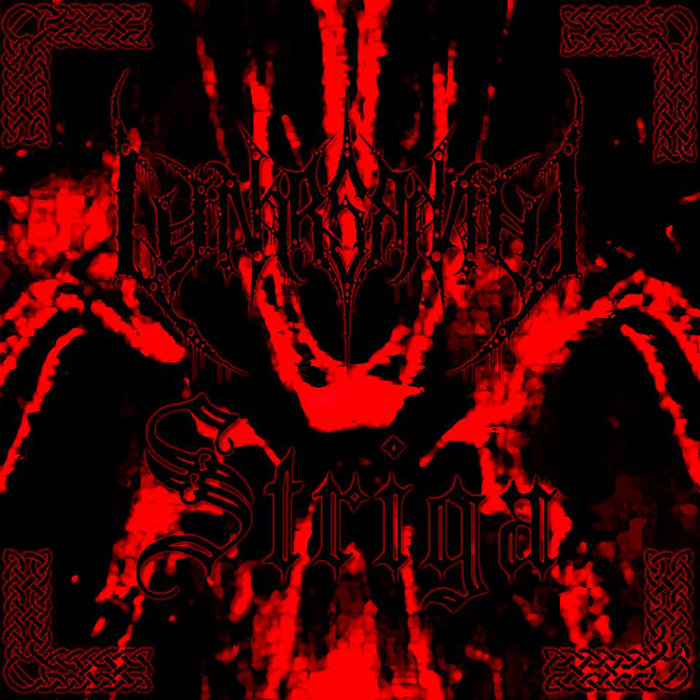
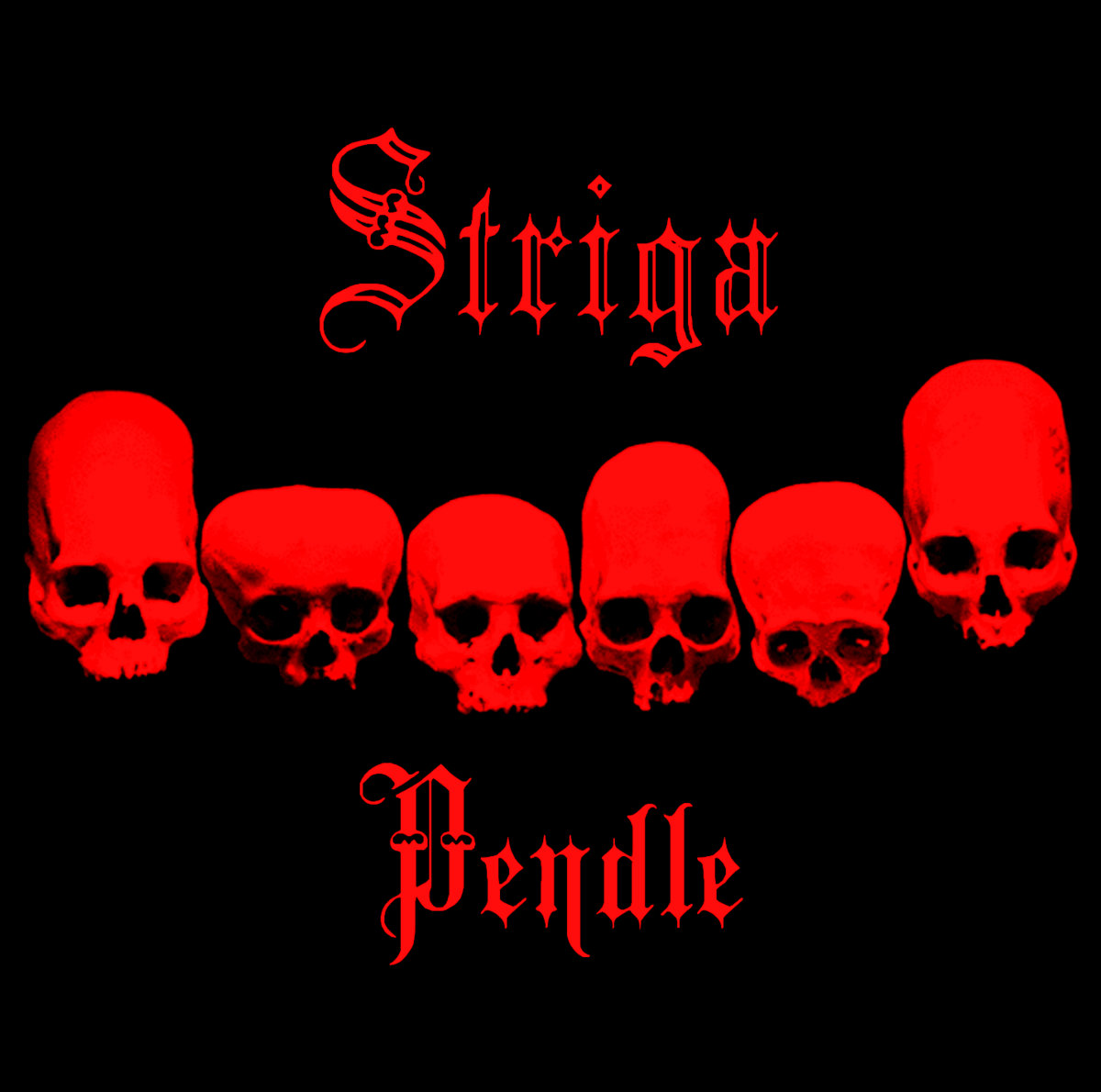
Pennsylvania's industrial heritage makes this trend particularly relevant for local bands. The state's history of manufacturing and industrial culture provides authentic context for bands exploring these sounds, potentially giving regional acts advantages over groups attempting industrial metal from less suitable cultural backgrounds. Acts like Striga and Cloud could particularly benefit from incorporating industrial elements into their doom and stoner metal approaches.
Drummer Mobility and Collaborative Flexibility
Dave Grohl's comments about Ilan Rubin's transition between Nine Inch Nails and Foo Fighters illuminate another crucial aspect of modern metal: musician mobility and the creative benefits of cross-project experience. Grohl's observation about Rubin finding "liberation and freedom" with Foo Fighters after his Nine Inch Nails experience suggests that diverse musical contexts enhance rather than dilute individual performances.
This trend toward collaborative flexibility is particularly relevant for Pennsylvania's metal scene, where geographic proximity allows musicians to participate in multiple projects without the logistical challenges faced in more spread-out regions. The state's concentration of metal acts across various subgenres creates natural opportunities for cross-pollination and shared lineups.
For regional musicians, the lesson is clear: participating in diverse projects can enhance rather than harm primary band commitments. Pennsylvania drummers, guitarists, and vocalists who contribute to multiple acts often bring enhanced skills and broader networks back to their main projects, strengthening the overall scene through interconnection.
Documentary Culture and Scene Preservation
The announcement of a new Raven documentary, with the band acknowledging funding challenges from their previous effort, highlights metal's growing documentary culture and the importance of proper scene preservation. For Pennsylvania's metal community, this trend represents both opportunity and responsibility.
Regional acts with compelling stories should consider documentation projects while their key figures remain active and accessible. Pennsylvania's rich metal history, from early pioneers to current innovators, deserves proper preservation, but requires strategic planning and adequate funding to achieve professional results.
The Raven documentary's funding challenges also reveal the financial realities of metal documentation. Successful projects require more than compelling stories; they need sustainable business models and adequate financial backing to achieve the production values necessary for broader distribution and lasting impact.
Collection Culture and Career Retrospectives
Judas Priest's announcement of "The Best Of Judas Priest" career-spanning collection demonstrates how established acts are approaching their catalog management in the streaming era. Rather than allowing platforms to determine their "greatest hits," bands are taking control of their narrative through curated collections that reflect their artistic priorities rather than simply streaming numbers.
For Pennsylvania bands building substantial catalogs, this approach offers valuable guidance. Rather than leaving legacy management to chance, regional acts should consider how they want their careers summarized and take active roles in creating definitive collections that represent their artistic vision rather than external metrics.
The timing of such releases also matters significantly. Judas Priest's collection arrives at a moment of continued activity rather than career conclusion, allowing them to control their narrative while still actively creating. Pennsylvania acts can apply this strategy at regional levels, using retrospective releases to solidify their local legacy while continuing to develop new material.
Solo Projects and Creative Independence
Rachel Bolan's upcoming solo album "Gargoyle Of The Garden State" represents another significant trend: established band members exploring individual creative territories while maintaining their primary group commitments. The project's title reference to New Jersey geography demonstrates how musicians can celebrate regional identity through solo work.
For Pennsylvania musicians, this approach offers a template for individual expression that complements rather than competes with band activities. Solo projects allow exploration of creative territories that might not fit primary band contexts while maintaining connection to regional identity and local scenes.
The involvement of producer Nick Raskulinecz, who also worked on Skid Row's recent album, shows how solo projects can maintain professional standards and industry connections developed through band activities. Pennsylvania musicians can leverage similar relationships built through their primary acts to enhance individual projects.
As Pennsylvania's metal scene continues evolving, these national and international trends provide valuable guidance for local acts navigating their own creative and business decisions. From visual identity management to collaborative flexibility, the lessons emerging from established acts' current strategies can help regional bands build sustainable careers while maintaining artistic integrity. The key lies in adapting these approaches to local contexts while building the networks and skills necessary for long-term success in metal's changing landscape.