Metallica Alumni and Doom Innovations Lead Genre-Blending Renaissance While Boston Hardcore Returns After Two Decades
The metal landscape is experiencing a fascinating convergence of veteran innovation and underground experimentation, as former Metallica bassist Jason Newsted prepares his first major headlining tour while doom acts push atmospheric boundaries and hardcore legends emerge from extended hibernation. These developments signal a broader shift toward genre fluidity that Pennsylvania's diverse metal scene is perfectly positioned to capitalize on.
Metallica Legacy Meets Contemporary Touring
Jason Newsted's announcement of The Chophouse Band's inaugural North American headlining tour represents more than just another nostalgia circuit. The eight-date run, featuring stops in Northampton, Albany, Alexandria, Grand Rapids, and Knoxville, demonstrates how metal veterans are reimagining their artistic legacies beyond the shadow of their most famous associations. Newsted's post-Metallica journey has been marked by creative exploration rather than simple recapitulation, and this tour promises to showcase that evolution.
The timing couldn't be more strategic. With major metal tours commanding increasingly higher ticket prices and venue availability becoming scarce due to industry consolidation, mid-tier touring has become both more viable and more necessary for establishing artists. Newsted's approach—combining headline dates with opening slots for acts like Blackberry Smoke—reflects the pragmatic flexibility that Pennsylvania acts have long embraced out of necessity.
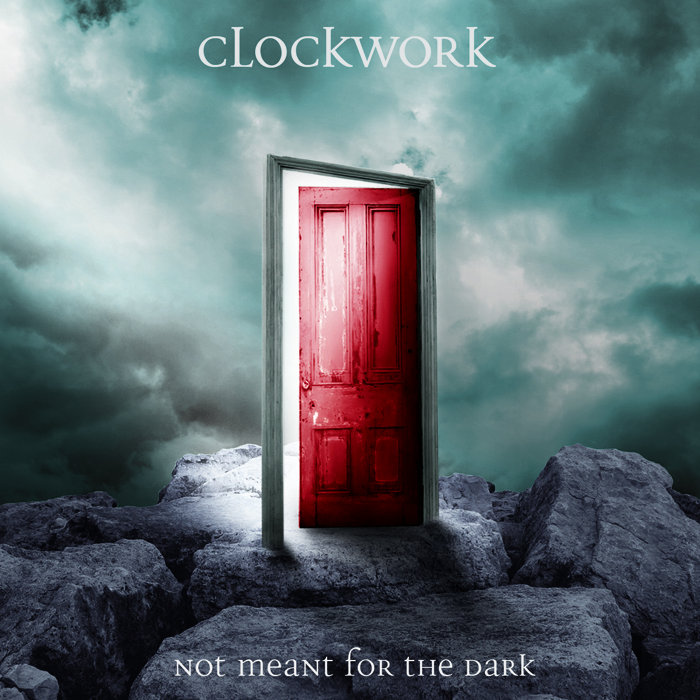
For Pennsylvania's metal community, Newsted's touring model offers valuable insights. The state's bands have always excelled at hybrid approaches, whether that's Clockwork's blend of progressive and groove elements or the genre-spanning work of acts across the Commonwealth. Newsted's willingness to mix musical contexts mirrors the adaptive strategies that have made Pennsylvania metal so resilient.
Doom Metal's Atmospheric Evolution
The emergence of My Heart, An Inverted Flame's synth-heavy doom track "Whispers In Dead Languages" represents another significant trend: the increasing incorporation of electronic elements into traditionally analog-focused extreme metal. This atmospheric approach to doom metal creates space for extended emotional development that pure riff worship cannot achieve alone.
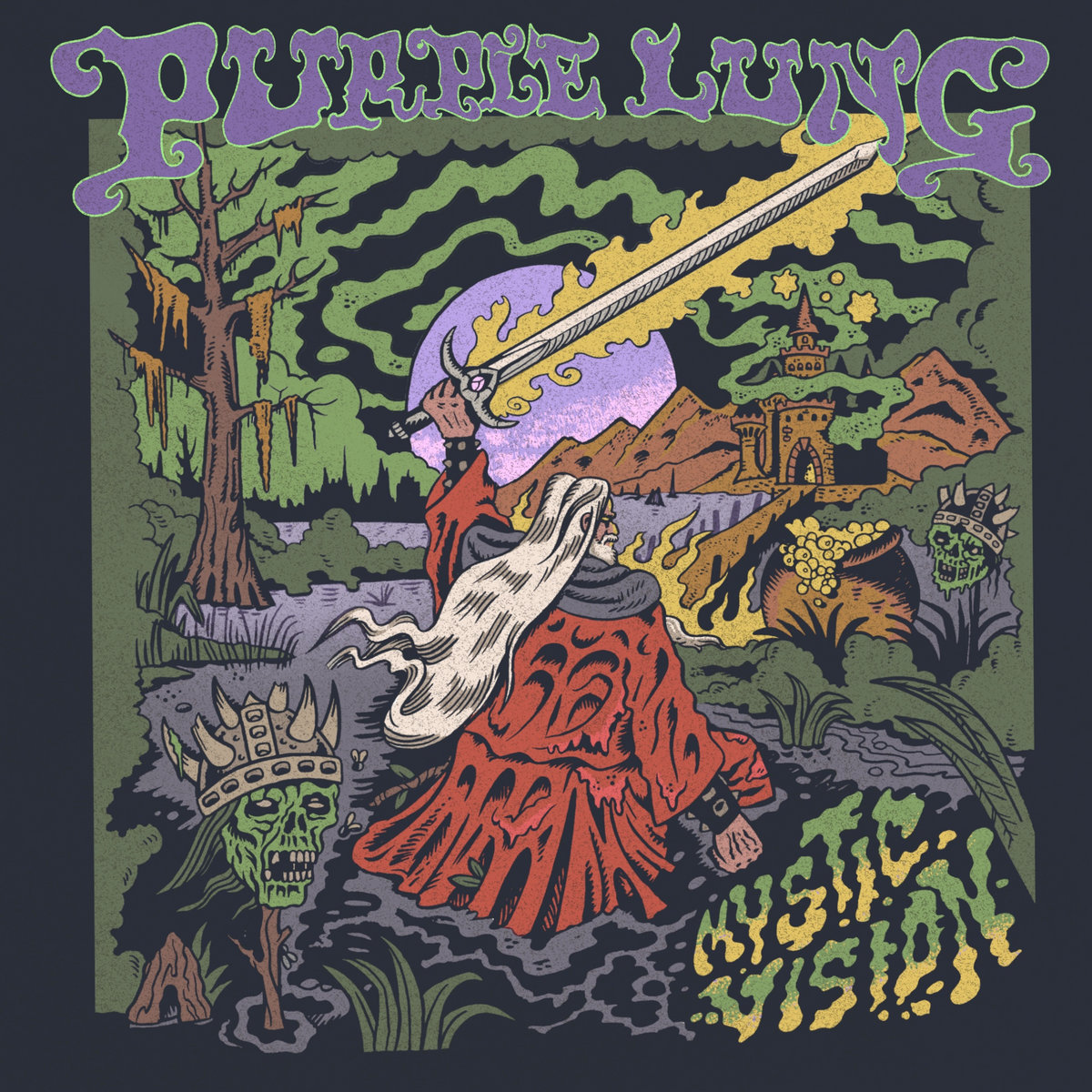
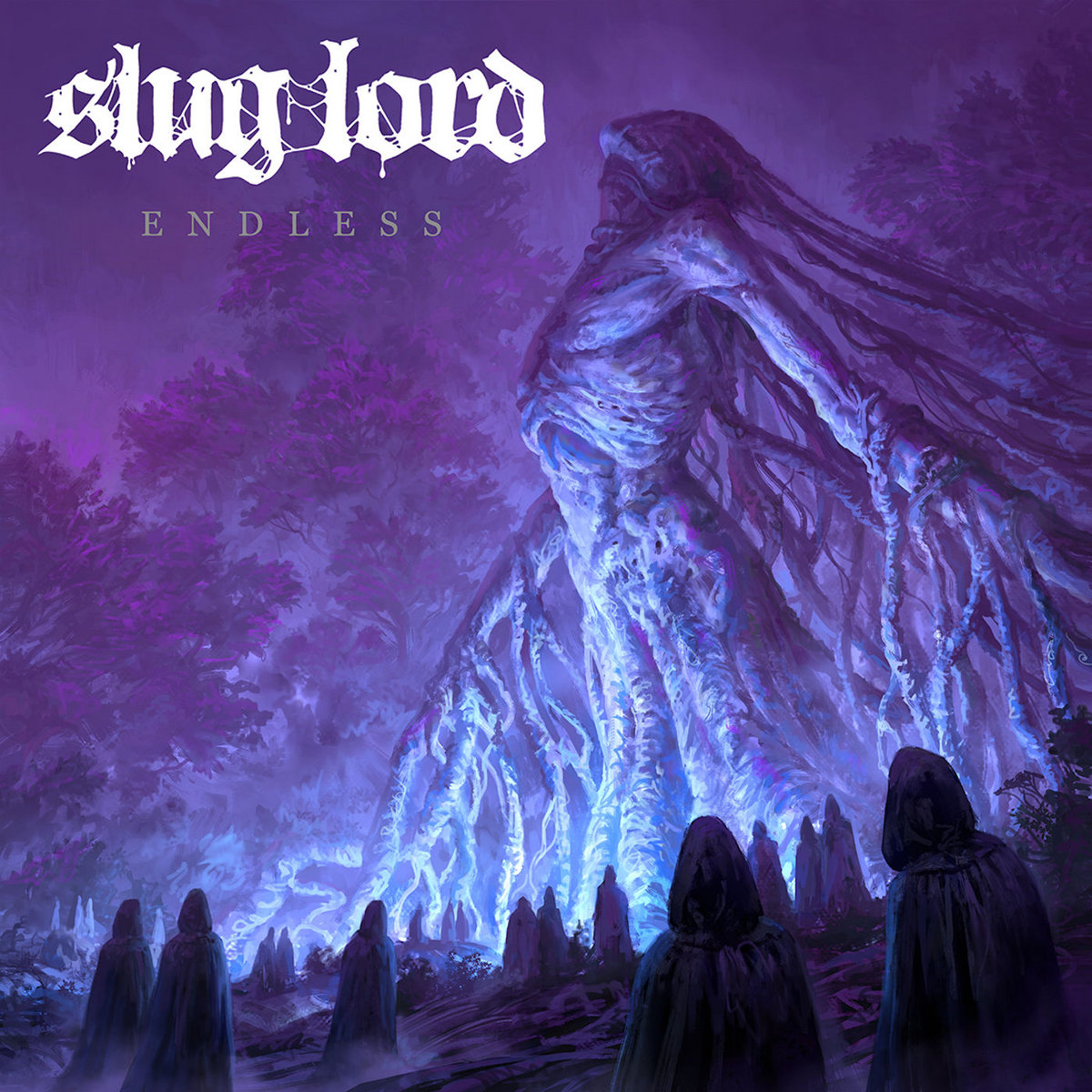
This evolution particularly resonates within Pennsylvania's doom scene. Acts like Sub-Terran have long incorporated industrial elements into their death-doom approach, while Purple Lung and Sluglord have explored the boundaries between traditional stoner doom and more experimental territories. The success of atmospheric doom acts nationally suggests Pennsylvania bands exploring similar sonic landscapes could find receptive audiences.
The synth-doom hybrid approach also addresses a practical concern for many Pennsylvania acts: how to create compelling recorded material without access to high-end analog gear. Electronic elements can provide atmospheric depth that complements rather than replaces traditional instrumentation, offering creative solutions for bands working within budget constraints.
Cross-Generational Cover Culture
Blood Vulture's gothic reinterpretation of Converge's "You Fail Me" signals an important shift in metal's cover song culture. Rather than simply paying tribute to defunct acts, contemporary artists are increasingly willing to reimagine works by still-active bands, treating seminal songs as raw material for creative exploration rather than untouchable monuments.
This approach reflects broader changes in how metal artists view influence and homage. The traditional model—covering classic tracks by bands no longer active—has given way to more adventurous recontextualization. Blood Vulture's decision to transform Converge's hardcore fury into gothic atmospherics demonstrates confidence in their own artistic vision while respecting the source material's emotional core.
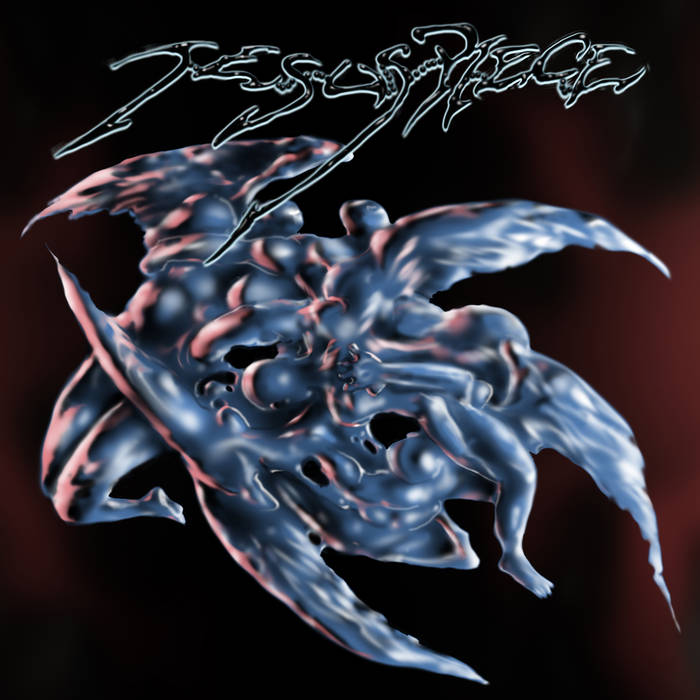
Pennsylvania's hardcore and metalcore scenes could particularly benefit from this more adventurous approach to covers. With acts like Jesus Piece already pushing hardcore boundaries and Swarm of Arrows exploring sludge-hardcore fusion, there's clear precedent for creative reinterpretation within the state's heavy music community.
Hardcore's Extended Hibernation Cycles
100 Demons' return after more than two decades with "Embrace The Black Light" challenges conventional wisdom about band longevity and creative momentum. The lead single "Meat For The Beast" suggests the Boston hardcore veterans have maintained their intensity despite the extended gap, raising questions about how long bands can remain dormant while preserving their essential character.
This extended hibernation model offers both hope and caution for Pennsylvania's hardcore community. On one hand, it demonstrates that creative partnerships can survive decades of inactivity and still produce vital work. On the other hand, it raises questions about momentum and audience retention in an increasingly crowded landscape.
The success or failure of 100 Demons' comeback will likely influence how other veteran acts approach their own potential returns. Pennsylvania has its share of dormant hardcore and metal acts that could potentially benefit from this model, but timing and market conditions will be crucial factors in determining viability.
West Coast Touring and Regional Dynamics
Balmora's announcement of their "Inheritance & Solitude" West Coast tour, featuring support from Empty Shell Casing and In 2 Again, highlights the ongoing importance of regional touring networks. While major acts can afford national routing, emerging and mid-level bands still rely heavily on regional scenes for sustainable touring opportunities.
For Pennsylvania acts, the West Coast remains an important market due to its concentration of metal-friendly venues and audiences. However, the logistics of cross-country touring continue to challenge bands without significant label support. Balmora's approach—focusing on a specific region with compatible acts—offers a model for Pennsylvania bands looking to expand beyond their immediate geographic area.
The collaborative aspect of these touring packages also suggests opportunities for Pennsylvania acts to develop strategic partnerships with bands from other regions. Rather than attempting to penetrate distant markets alone, collaborative touring can provide mutual support and shared resources.
Genre-Hopping and Authenticity Questions
Machine Gun Kelly's continued genre exploration, now incorporating nu-metal elements with Fred Durst collaboration, represents the ongoing tension between artistic evolution and authenticity within heavy music. While some view such experiments as opportunistic trend-chasing, others see them as natural creative development in an increasingly genre-fluid landscape.
This debate particularly affects Pennsylvania's nu-metal and alternative metal acts. Bands like Tallah have successfully incorporated nu-metal elements into contemporary metalcore frameworks, while acts like From Ashes To New continue exploring rap-metal territories. The key distinction seems to be organic development versus calculated market positioning.
For Pennsylvania bands considering genre experimentation, the MGK example offers both opportunity and warning. Successful genre-blending requires genuine creative investment rather than superficial adoption of trending sounds. The state's best new metal bands of recent years have typically succeeded by deepening their chosen approaches rather than constantly shifting directions.
Looking Forward: Pennsylvania's Position
These national developments create several opportunities for Pennsylvania's metal scene. The success of atmospheric doom acts suggests room for the state's experimental bands to find broader audiences. Veterans like Newsted prove that post-major-label careers can remain vital and relevant. The cover culture evolution opens new creative possibilities for established acts looking to reinvent familiar material.
Most importantly, the overall trend toward genre fluidity and creative risk-taking aligns perfectly with Pennsylvania metal's historical strengths. The state's bands have always excelled at hybrid approaches and creative problem-solving, skills that become increasingly valuable as the broader metal landscape embraces experimentation over rigid genre adherence.
As we move deeper into 2024, Pennsylvania's metal community is well-positioned to capitalize on these broader trends while maintaining the authentic, hard-working approach that has always defined the region's contribution to heavy music culture.