Truth for Sale and Lineup Hunts: Metal's Information Wars Meet Industry Transitions While Pennsylvania Scene Maintains Underground Authenticity
The modern metal landscape finds itself caught between information overload and authentic artistic expression, as major acts grapple with media saturation while industry veterans navigate significant transitions. From Evanescence's forthcoming album commentary to high-profile vocalist searches, the current state of heavy music reflects broader cultural anxieties about truth, authenticity, and artistic integrity—themes that resonate deeply within Pennsylvania's diverse metal community.
Information Warfare in the Digital Age
Amy Lee's recent observations about contemporary media consumption strike at the heart of modern metal's existential crisis. Speaking about Evanescence's upcoming "Sanctuary" album, Lee addressed how the constant flood of information creates an environment where "truth is for sale." This sentiment reflects a growing concern among metal artists about maintaining authentic voices in an oversaturated digital landscape.
The challenge extends beyond mere media consumption—it fundamentally affects how bands connect with audiences and maintain artistic credibility. When every opinion becomes commodified content and every statement gets dissected across social platforms, the raw honesty that has always defined heavy music faces unprecedented scrutiny. Lee's perspective highlights how established acts must navigate between staying relevant and preserving the authentic darkness that originally drew fans to their work.
This information warfare particularly impacts how metal acts discuss controversial topics or take political stances. Recent examples from System of a Down members demonstrate how quickly statements can be misinterpreted, weaponized, or completely fabricated in the digital echo chamber. The result is an environment where artists must carefully weigh every public comment against potential backlash or misrepresentation.
The Great Vocalist Hunt
While media battles rage online, practical industry challenges continue behind the scenes. Skid Row's methodical search for a new frontman represents one of metal's most intriguing current storylines. Rather than rushing into hasty decisions, the band has adopted a deliberate approach that includes an unprecedented partnership with musical equipment retailer Sweetwater to cast their net globally.
This systematic vocalist hunt reflects broader changes in how metal bands approach lineup changes in 2026. The days of quick replacement announcements are giving way to comprehensive searches that leverage modern technology and industry partnerships. Skid Row's strategy acknowledges that finding the right voice isn't just about vocal ability—it requires chemistry, stage presence, and the intangible qualities that separate competent singers from true frontmen.
The search process itself has become a form of entertainment and engagement for metal fans, who follow audition videos and speculate about potential candidates. This transparency contrasts sharply with the secretive replacement processes of previous decades, when bands would announce new members seemingly overnight without public input or involvement.
Reunion Speculation and Legacy Management
Nostalgia continues driving significant portions of metal's touring economy, as evidenced by ongoing speculation about Savatage's potential American performances. Chris Caffery's recent comments about the reformed band's future suggest that reunion shows remain possible, though timing and logistics remain uncertain. This reflects a broader trend where pioneering metal acts carefully manage their legacy through strategic reunion performances rather than full-scale comebacks.
The progressive metal pioneers' approach highlights how veteran bands balance fan demand with practical realities. European and South American audiences have already experienced Savatage's return, but American fans continue waiting for confirmation of domestic dates. This geographic rollout strategy allows bands to test reunion waters in markets with fewer logistical complications before committing to larger-scale touring.
Legacy management has become increasingly sophisticated as original metal acts recognize their historical importance while managing member availability, health concerns, and financial realities. The result is a more calculated approach to reunions that prioritizes quality over quantity, ensuring that comeback performances maintain the impact and significance that original fans remember.
Cross-Genre Collaborations and Unexpected Partnerships
Perhaps the most surprising development in contemporary metal involves unexpected collaborations that transcend traditional genre boundaries. Gerard Way's recent stage appearance with death metal outfit Frozen Soul exemplifies how established artists are exploring creative partnerships that would have seemed impossible in previous eras. Their collaboration on "No Place of Warmth" demonstrates how creative boundaries continue dissolving across metal's various subgenres.
These cross-pollination events reflect a maturation of metal culture where artistic curiosity outweighs genre purity concerns. When My Chemical Romance's frontman can seamlessly contribute to brutal death metal performances, it signals that modern metal audiences are more receptive to creative experimentation than traditional gatekeepers might assume.
The collaboration trend extends to behind-the-scenes work as well, with Metal Church's Kurdt Vanderhoof scoring documentaries about BMX culture. These projects demonstrate how metal musicians are leveraging their compositional skills in unexpected contexts, creating new revenue streams while expanding their artistic horizons.
Pennsylvania's Response to Industry Evolution
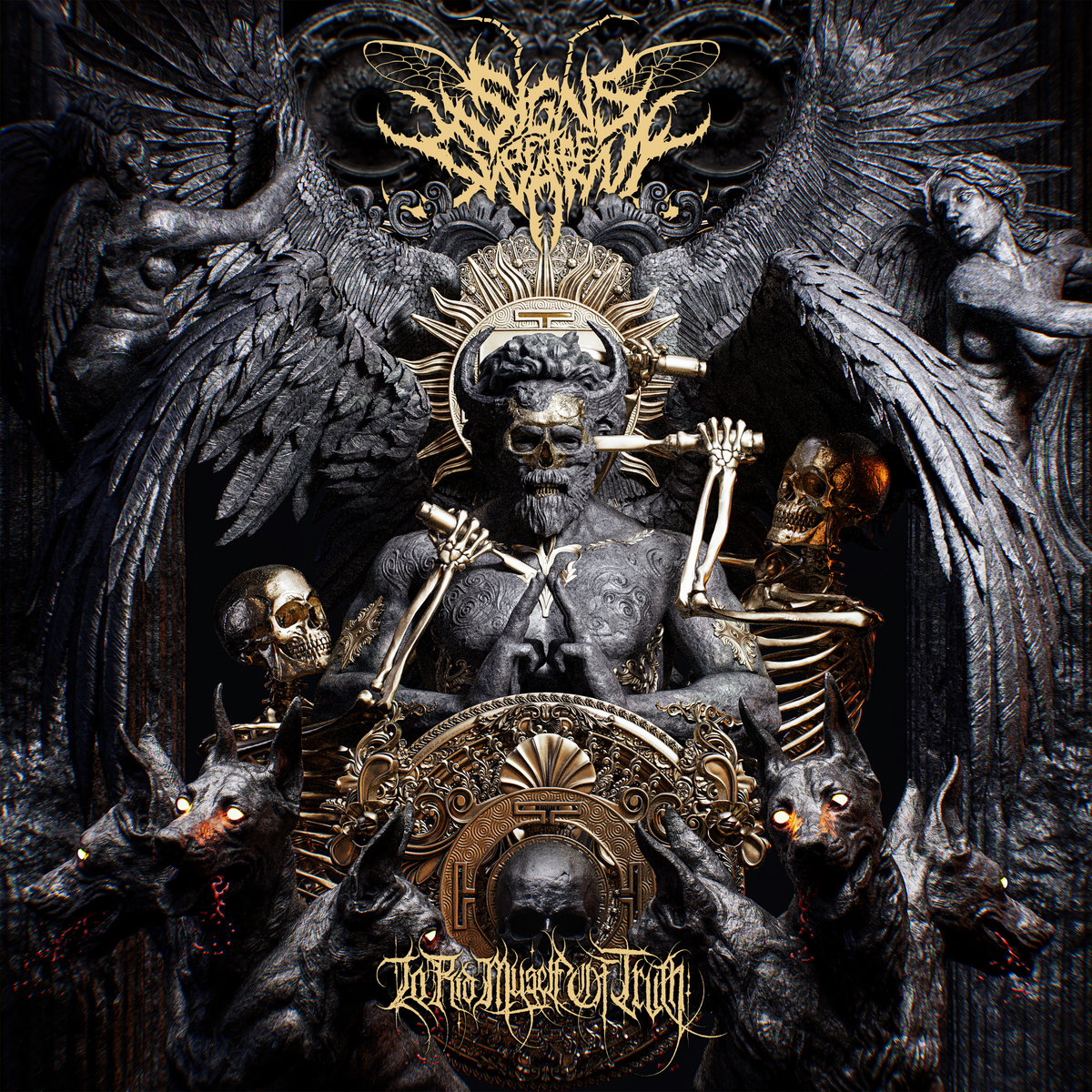
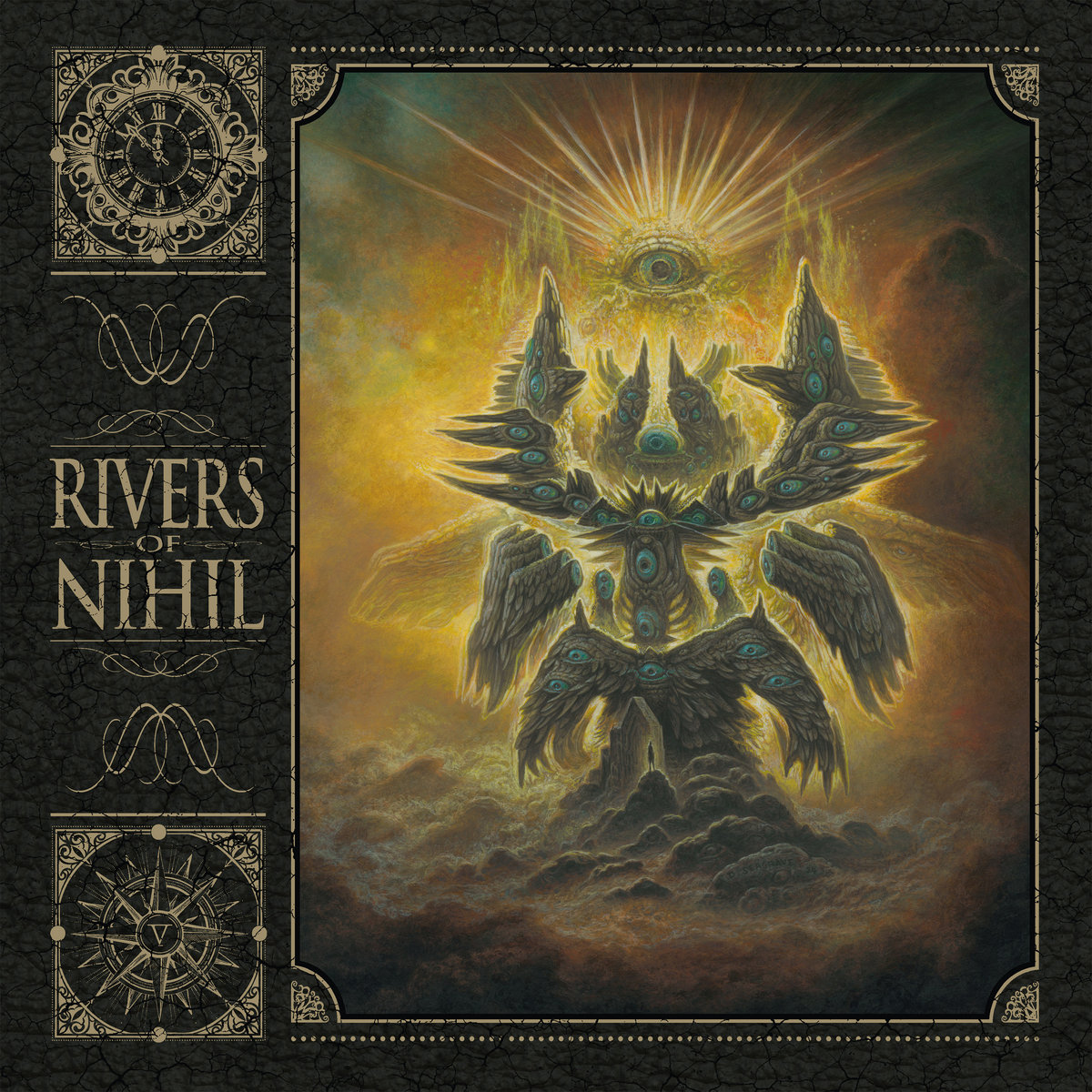
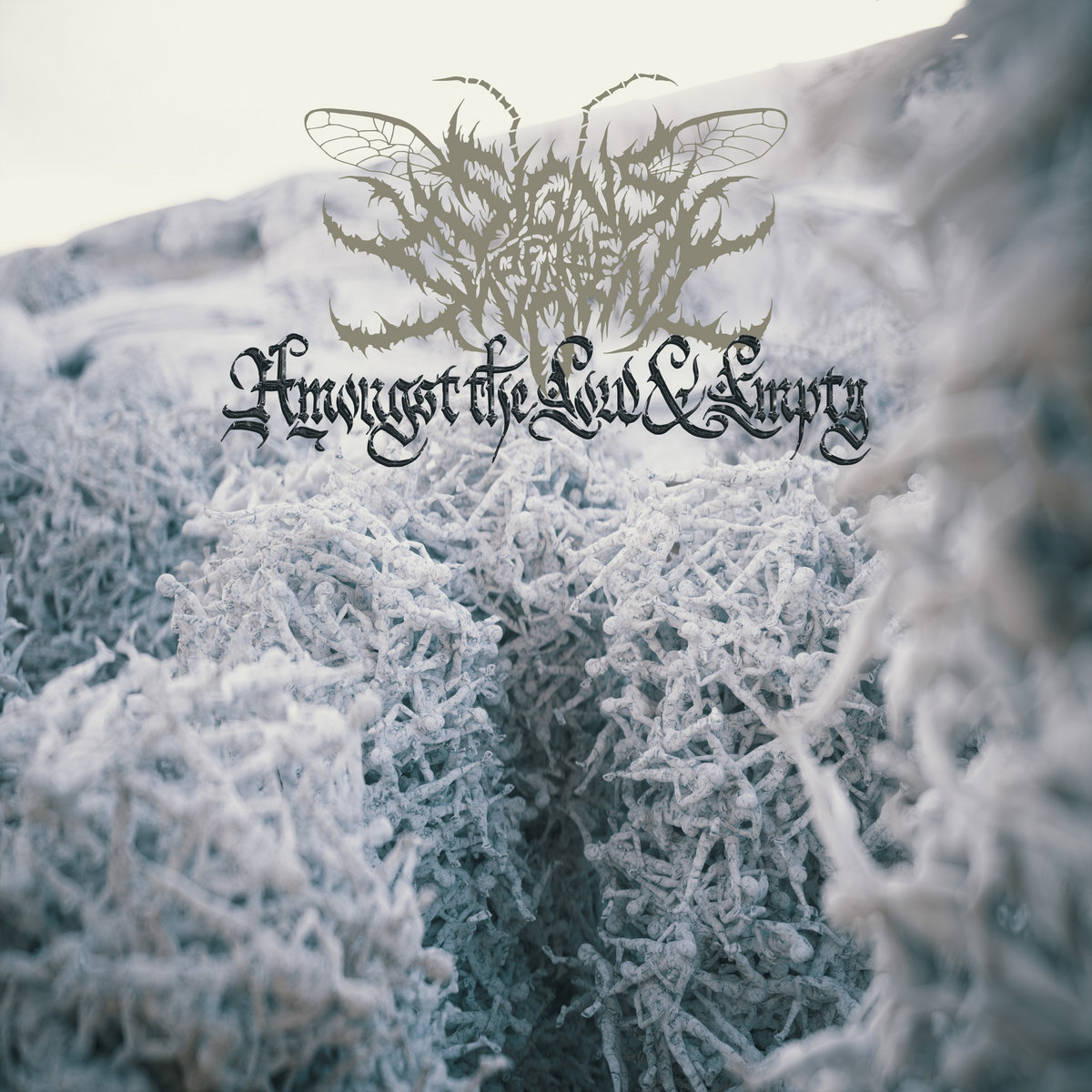
While major acts navigate media warfare and industry transitions, Pennsylvania's metal scene continues developing its own identity around authenticity and underground credibility. The Commonwealth's extreme metal bands, including death metal powerhouses like Signs of the Swarm and progressive innovators such as Rivers of Nihil, represent a different approach to career building that prioritizes artistic integrity over digital metrics.
This regional philosophy creates interesting contrasts with the mainstream metal industry's increasing focus on streaming numbers, social media engagement, and corporate partnerships. Pennsylvania bands often develop devoted followings through relentless touring, word-of-mouth reputation building, and consistent album releases rather than viral marketing campaigns or celebrity collaborations.
The state's death metal and black metal scenes particularly benefit from this authenticity-first approach. Bands can focus on perfecting their craft and building genuine connections with extreme metal audiences without getting distracted by broader industry trends or social media controversies. This creates a sustainable foundation for long-term career development that doesn't depend on maintaining constant public visibility.
The Authenticity Versus Accessibility Balance
Recent discussions about hardcore music's relationship with online engagement highlight broader questions about how metal maintains its authentic edge in digital spaces. Arguments that hardcore "isn't meant to exist in the comments section" reflect concerns shared across heavy music's various subgenres about preserving the raw, immediate experience that defines the culture.
This tension between accessibility and authenticity affects how Pennsylvania metal bands approach their online presence. While digital platforms provide unprecedented opportunities for reaching global audiences, they also risk diluting the intense, personal connections that make heavy music meaningful. Local acts must balance building online followings with maintaining the underground credibility that extreme metal fans value.
The solution often involves strategic use of digital tools to enhance rather than replace live performance experiences. Pennsylvania bands excel at using online platforms to promote shows, share new material, and connect with fans between tours while avoiding the performative aspects of social media that can undermine artistic authenticity.
Looking Forward: Metal's Information Age Identity
As metal continues evolving in an era where truth becomes commodified and authenticity gets constantly questioned, Pennsylvania's scene offers valuable lessons about maintaining artistic integrity. The focus on substantial musical content over digital engagement metrics creates space for the kind of artistic development that produces lasting careers rather than fleeting viral moments.
The challenges facing major acts like Evanescence, Skid Row, and others reflect broader cultural struggles about maintaining honest communication in oversaturated media environments. Their experiences provide roadmaps for emerging bands about navigating industry pressures while preserving the authentic darkness and intensity that originally drew audiences to heavy music.
Ultimately, metal's future depends on finding sustainable balances between accessibility and authenticity, between digital engagement and real-world community building, and between commercial viability and artistic integrity. Pennsylvania's metal scene continues contributing to these conversations through actions rather than words—creating music that speaks for itself in an age when everything else seems open to interpretation.