Documentary Scores and Streaming Wars: Metal's Creative Boundaries Expand While Genres Embrace Unexpected Crossovers
Metal's creative landscape is experiencing a fascinating expansion beyond traditional album cycles and touring patterns. As established veterans explore documentary scoring and unexpected collaborations reshape genre expectations, the broader implications for regional scenes like Pennsylvania's diverse metal community become increasingly apparent.
Beyond the Riff: Metal Musicians as Film Composers
The intersection of metal musicianship and cinematic scoring represents an underexplored frontier for heavy music artists. When established metal guitarists venture into documentary composition, they face unique challenges that differ dramatically from crafting traditional metal arrangements. The requirements of scoring—supporting narrative without overwhelming it, creating emotional arcs that serve story rather than showcase technical prowess—demand a complete reimagining of creative approach.
This development signals broader opportunities for Pennsylvania's metal musicians to explore multimedia collaborations. Local acts like Sosterik and Graphic Violence, with their thrash metal foundations, possess the technical versatility that could translate effectively into scoring work for regional documentary projects or independent films seeking authentic heavy music soundscapes.
The documentary scoring trend also highlights how metal's compositional complexity—often dismissed by mainstream media—actually provides excellent preparation for cinematic work. Metal musicians' familiarity with dynamic shifts, atmospheric building, and thematic development through instrumental passages creates natural advantages in film scoring contexts.
Cross-Pollination and Genre Rebellion
The most intriguing development in contemporary heavy music involves unexpected collaborations that challenge traditional genre boundaries. When artists from completely different musical universes join forces, the results often reveal new creative possibilities that neither could achieve independently.
These partnerships represent more than novelty—they demonstrate metal's increasing confidence in its artistic legitimacy. No longer confined to insular scenes or defensive posturing about authenticity, heavy music artists are embracing experimentation that would have been considered heretical decades ago.
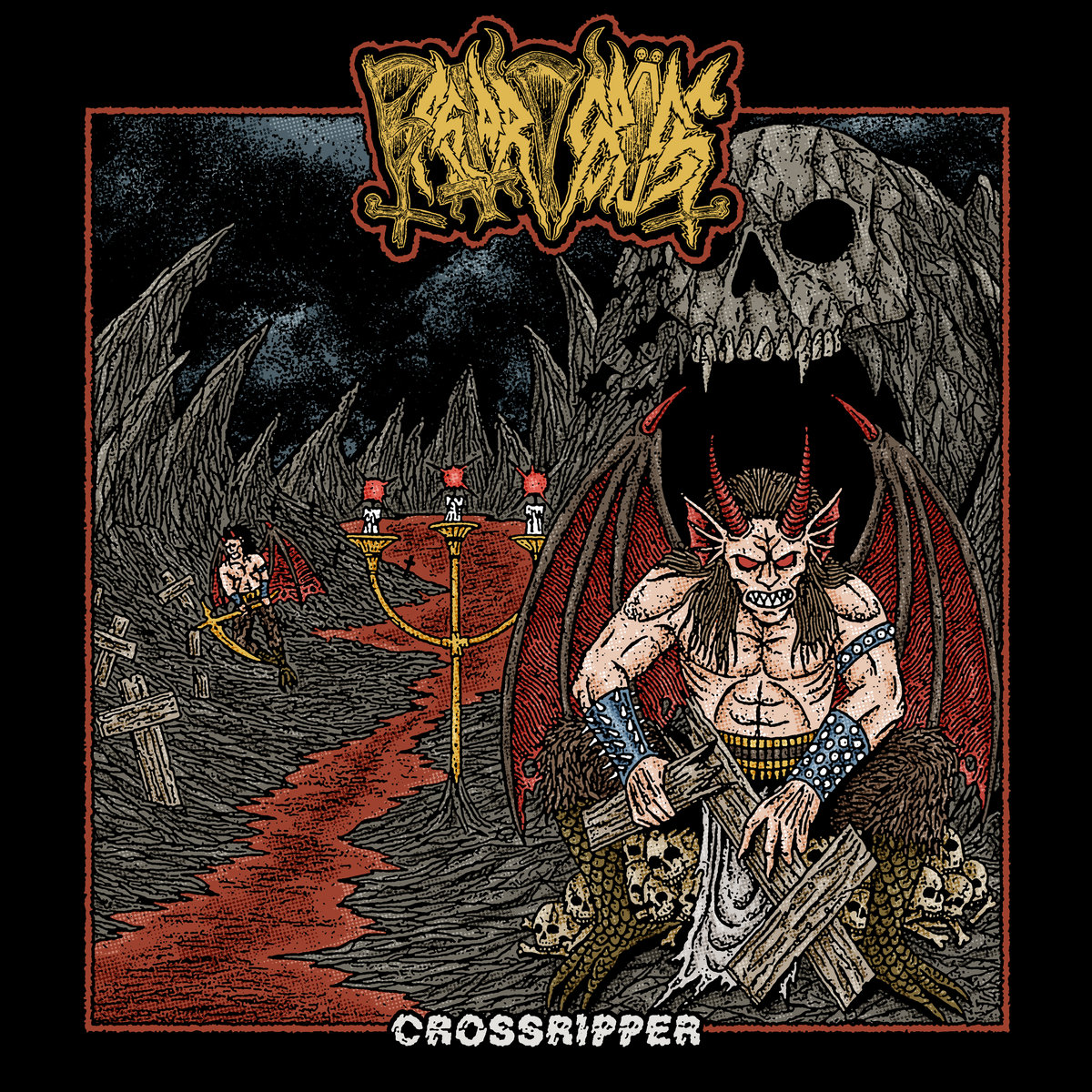
For Pennsylvania's metal community, this cross-pollination trend creates opportunities for local artists to explore beyond established templates. Bands like Bastard Cröss and Spirus, rooted in black metal and thrash traditions, could benefit from studying how successful crossover collaborations maintain essential heaviness while incorporating unexpected elements.
The Streaming Revolution's Cultural Impact
Digital platforms continue reshaping how metal reaches audiences, with billion-play milestones becoming increasingly common for established acts. This streaming success represents more than commercial achievement—it demonstrates metal's mainstream cultural penetration without requiring stylistic compromise.
However, the streaming economy's emphasis on individual tracks over complete album experiences presents challenges for genres that traditionally prioritize cohesive artistic statements. Death metal, doom metal, and progressive metal—all well-represented in Pennsylvania's scene—often rely on extended compositions and album-length narrative arcs that don't translate perfectly to playlist-driven consumption.
Local acts must navigate this tension between streaming algorithm optimization and artistic integrity. Pennsylvania's Horrendous and Rivers of Nihil have successfully balanced complex progressive death metal with individual track accessibility, providing models for other regional acts seeking streaming success without creative compromise.
Hardcore's Authenticity Debate
Recent discussions about hardcore music's relationship with online culture highlight broader questions about authenticity in heavy music. The argument that hardcore belongs in physical spaces rather than digital comment sections reflects longstanding tensions between traditional metal values and contemporary promotional realities.
This debate particularly resonates in Pennsylvania's metal scene, where DIY ethics and authentic community connections remain central to many local acts. Venues throughout the Commonwealth continue prioritizing intimate, high-energy live experiences that foster genuine artist-audience relationships beyond social media metrics.
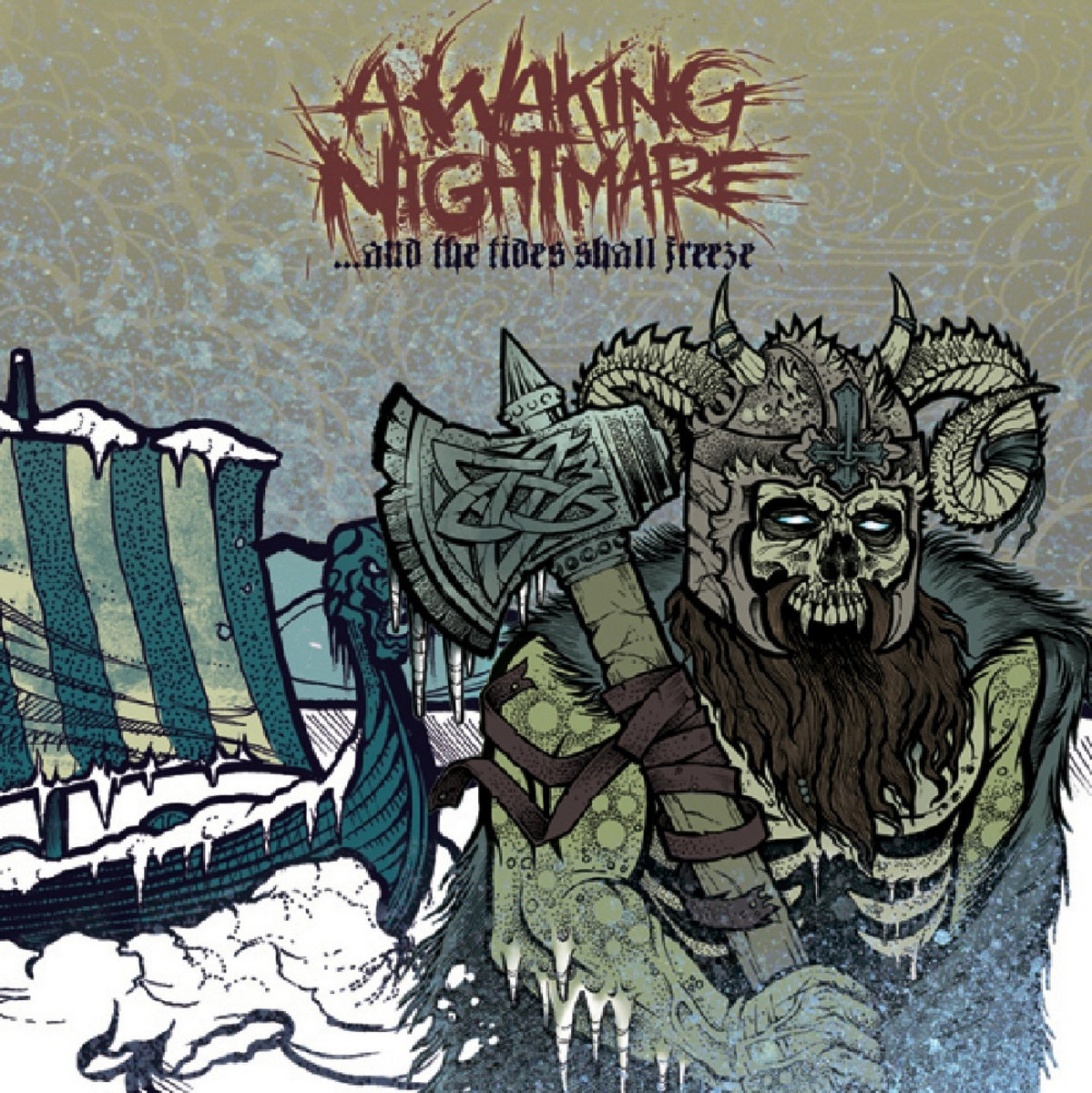
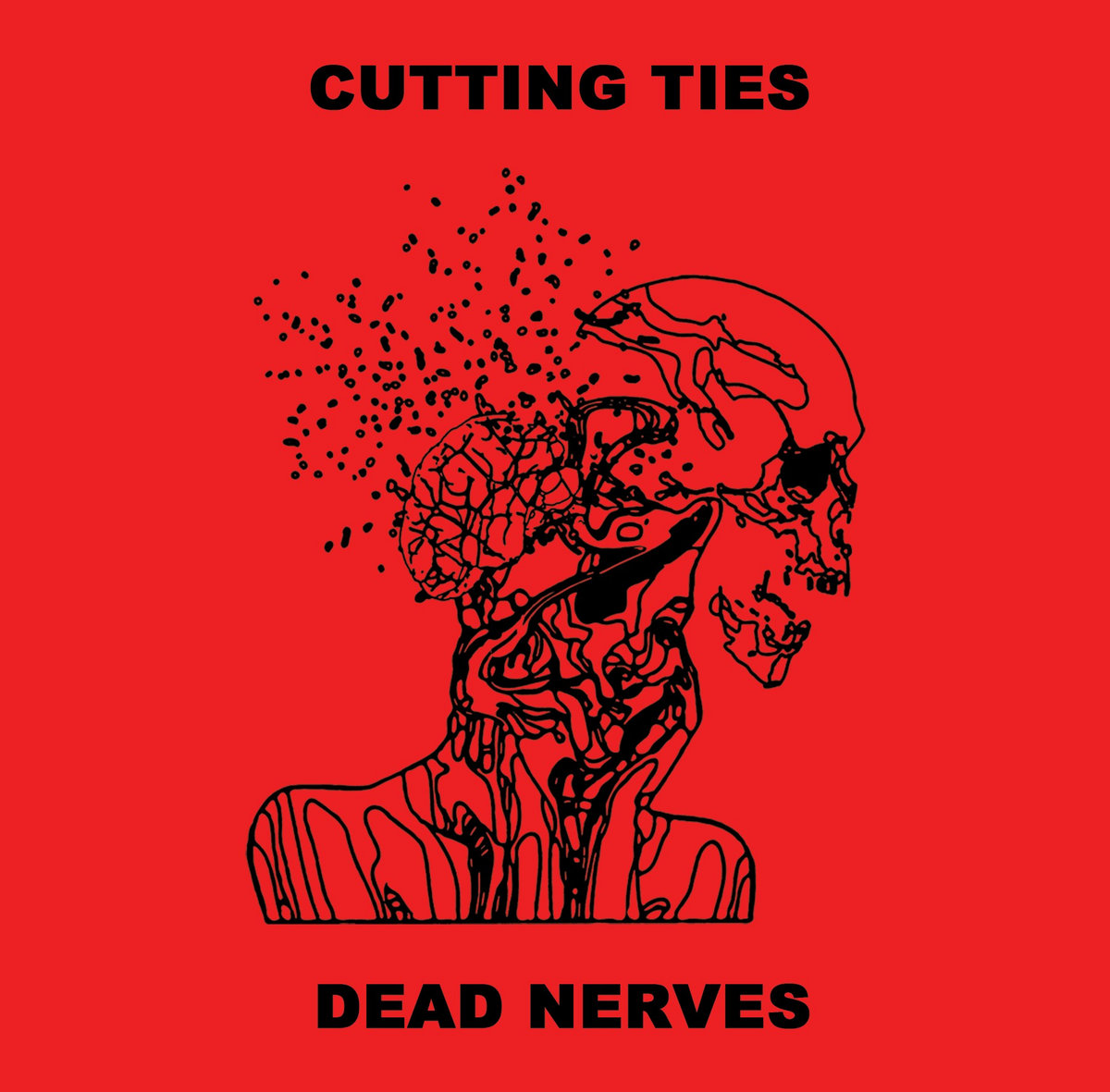
For Pennsylvania bands operating in hardcore-adjacent genres, this authenticity emphasis suggests focusing on local scene building rather than purely digital growth strategies. Acts like A Waking Nightmare and Cutting Ties exemplify how grindcore and metalcore bands can maintain underground credibility while building sustainable regional followings.
Legacy Acts and Creative Continuity
Established metal bands face unique challenges in maintaining creative momentum across decades-long careers. The pressure to simultaneously honor classic material and explore new directions creates complex artistic negotiations that younger bands can learn from observing.
Progressive metal veterans demonstrate how evolving lineup dynamics can refresh creative approaches without abandoning core identity. Their emphasis on extensive songwriting development—crafting numerous compositions before selecting final album tracks—suggests sustainable creative practices for long-term career development.
Pennsylvania's metal community includes numerous acts with decade-plus careers navigating similar challenges. Understanding how established bands balance fan expectations with creative growth provides valuable insights for regional acts planning extended careers rather than brief scenes participation.
Regional Scene Implications
These broader industry developments create specific opportunities for Pennsylvania's metal community. The Commonwealth's geographic advantages—proximity to major East Coast markets, diverse venue infrastructure, and established metal fanbase—position local acts to capitalize on expanding creative possibilities.
Documentary scoring opportunities exist throughout Pennsylvania's film and media production community. Local metal musicians with compositional skills could explore partnerships with regional filmmakers, particularly those documenting Pennsylvania's industrial heritage, outdoor recreation culture, or urban development stories.
Cross-genre collaboration possibilities abound in Pennsylvania's diverse music scene. Philadelphia's rich hip-hop community, Pittsburgh's electronic music producers, and smaller cities' folk and indie rock acts provide potential partners for metal musicians seeking creative expansion.
The streaming economy's democratization of music distribution particularly benefits regional scenes like Pennsylvania's, where quality bands previously lacked major label connections. Local acts can now reach global audiences directly while maintaining home-base connections that provide creative stability and authentic community support.
Pennsylvania's metal scene continues demonstrating that regional identity strengthens rather than limits creative possibilities. As industry trends toward greater experimentation and cross-pollination, the Commonwealth's diverse metal community is well-positioned to contribute innovative approaches while maintaining the authentic heaviness that defines quality metal music.