Ticketmaster Monopoly Ruling Opens New Pathways While Legends Face Uncertain Futures in Metal's Shifting Economy
A federal jury's landmark ruling that Live Nation Entertainment and Ticketmaster operate as an illegal monopoly has sent shockwaves through the metal community, potentially dismantling the stranglehold that has throttled live music for decades. This legal victory arrives as legendary acts navigate uncertain creative futures, creating a perfect storm of opportunity and anxiety that Pennsylvania's metal scene must carefully navigate.
The Monopoly Falls: What It Means for Metal
The Manhattan jury's decision represents more than just a legal victory—it's a potential resurrection of fair competition in live music. For years, metal fans have endured inflated ticket prices, mysterious fees, and limited venue options as Live Nation's stranglehold tightened around the industry's throat. The ruling could fundamentally reshape how metal shows are booked, priced, and promoted across Pennsylvania and beyond.
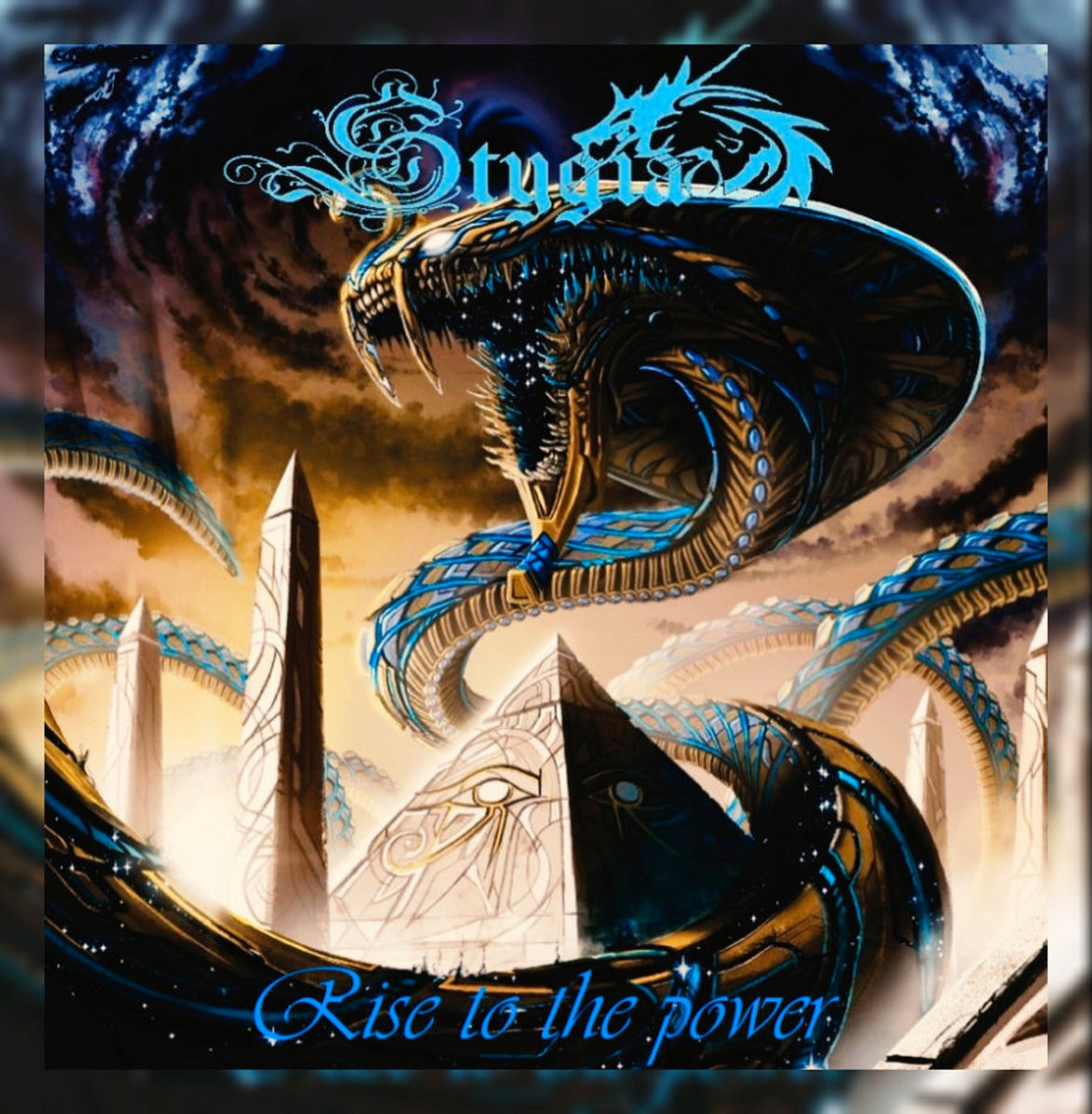
This development comes at a crucial time for Pennsylvania's diverse metal landscape. From the sludge heaviness of Trunk to the progressive complexities of Stygia, local acts have long struggled against the consolidated power structure that has made touring increasingly expensive and venue access more restrictive. The potential breakup of this monopoly could democratize live music in ways that directly benefit Pennsylvania's metal community.
The implications extend beyond just ticket pricing. Independent venues, which have always been the lifeblood of metal's underground scene, could finally compete on equal footing without facing retaliatory booking practices. This could mean more opportunities for Pennsylvania death metal acts to secure prime slots, better touring packages for the state's doom metal practitioners, and potentially lower barriers to entry for emerging black metal artists seeking to build their live presence.
Legends Grapple with Creative Uncertainty
While the monopoly ruling offers hope for systemic change, established metal icons face their own set of challenges that highlight the industry's current instability. Lita Ford's revelation about her long-delayed album exemplifies the creative paralysis affecting many veteran artists. After more than a decade since her last full-length release, Ford's cautious optimism about a potential 2026 release date reflects the broader uncertainty plaguing established acts in today's fragmented music landscape.
The extended gap between Ford's releases mirrors a troubling trend among 80s metal bands struggling to maintain relevance while adapting to modern industry realities. Her collaboration with producer Gary Hoey suggests that even seasoned professionals are taking extra time to craft material that can compete in today's oversaturated market. This methodical approach, while admirable, raises questions about whether lengthy creative cycles serve artists well in an era demanding constant content.
Similarly, Iron Maiden's careful handling of their upcoming documentary reveals how even the most successful metal acts must navigate complex promotional strategies. Steve Harris's clarification about the band's involvement in "Burning Ambition" demonstrates the delicate balance between maintaining artistic control and leveraging external media opportunities. For a band of Maiden's stature to feel compelled to clarify their role in their own documentary suggests broader industry tensions between artist autonomy and commercial demands.
Anniversary Celebrations Mask Industry Anxiety
Slayer's elaborate 40th anniversary reissue of "Hell Awaits" represents both celebration and symptom of metal's current predicament. While the three-LP vinyl box set satisfies collector demand and honors the album's legacy, it also reflects an industry increasingly dependent on nostalgia-driven revenue streams. The emphasis on premium packaging and limited editions suggests that physical media has become more about exclusive ownership than musical discovery.
This anniversary culture, while profitable, raises concerns about metal's forward momentum. When legendary acts focus primarily on repackaging past glories, it can overshadow contemporary creativity and innovation. Pennsylvania's metal scene, with its rich history spanning from pioneering thrash to modern progressive death metal, must balance honoring its heritage while pushing creative boundaries.
The touring landscape adds another layer of complexity to this anniversary phenomenon. August Burns Red's international tour announcements demonstrate how successful Pennsylvania metal acts can leverage global markets, but they also highlight the increasing importance of international revenue streams as domestic touring becomes more challenging and expensive.
Collaborative Projects Point Toward New Models
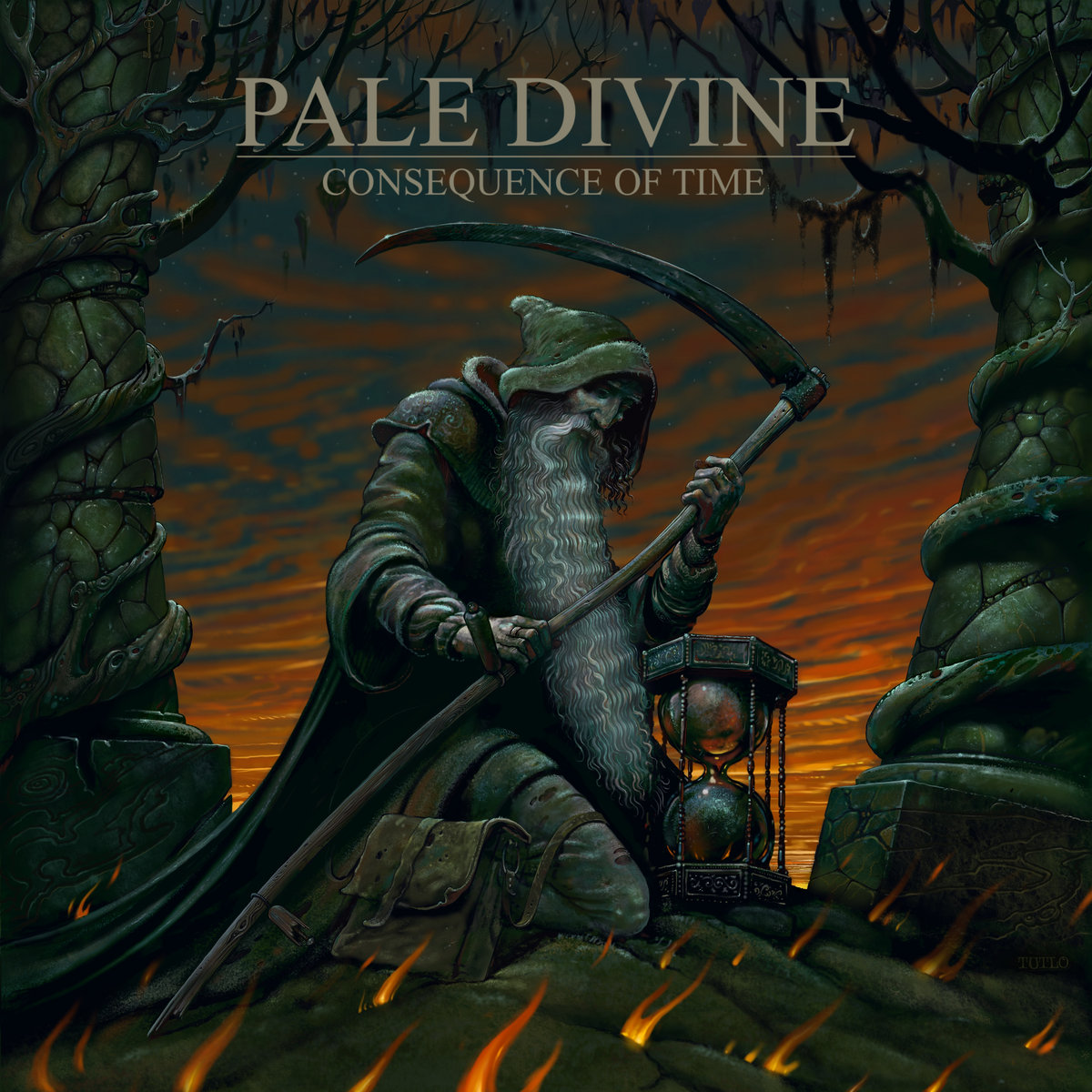
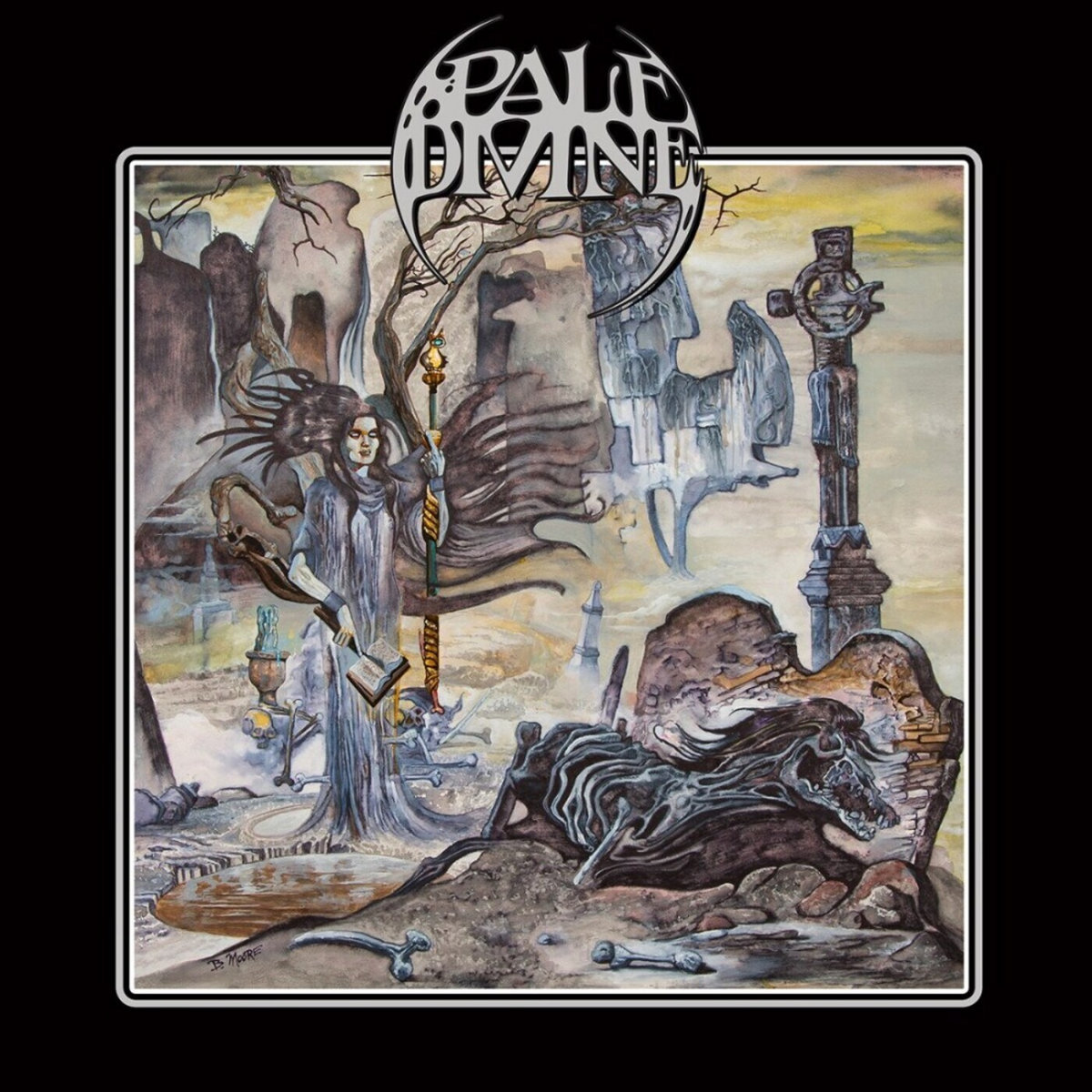
Bell Witch and Aerial Ruin's collaborative touring venture represents an emerging trend that could offer solutions to many of metal's current challenges. By combining forces, these acts can share costs, cross-pollinate audiences, and create unique experiences that stand out in an oversaturated market. This collaborative approach could prove especially valuable for Pennsylvania's doom metal scene, where acts like Pale Divine and Molasses Barge might benefit from similar creative partnerships.
The success of such collaborations depends partly on artistic compatibility, but also on practical considerations like shared equipment, coordinated promotion, and complementary fan bases. Pennsylvania's metal community, with its history of cross-genre pollination and mutual support, seems well-positioned to embrace this collaborative model.
Technology and Tradition Collide
Nevermore's reunion performance in Istanbul, captured and released as an official live video, demonstrates how technology can preserve and distribute metal's most significant moments. The band's first performance since 2011 represents both a triumphant return and a reminder of metal's fragile nature—legendary acts can disappear for years, making their rare appearances all the more precious.
The decision to professionally document and quickly release this reunion show reflects modern metal's emphasis on content creation and immediate gratification. Fans no longer wait months or years for live recordings; they expect high-quality documentation within days of significant events. This expectation creates both opportunities and pressures for all metal acts, from reunion-touring legends to emerging Pennsylvania bands building their first audiences.
Pennsylvania's Strategic Position
As these industry-wide changes unfold, Pennsylvania's metal scene occupies a uniquely advantageous position. The state's geographic location provides access to multiple major markets, while its diverse metal community spans everything from traditional heavy metal to experimental black metal. The potential dismantling of Live Nation's monopoly could particularly benefit Pennsylvania acts, as increased competition among promoters might lead to better deals and more touring opportunities.
The state's established venues, from intimate clubs to major amphitheaters, could become more accessible if monopolistic practices are curtailed. This could create opportunities for Pennsylvania's progressive metal acts to secure better opening slots, enable doom metal bands to headline appropriate venues, and allow death metal groups to participate in more competitive tour packages.
Moreover, Pennsylvania's metal community has already demonstrated resilience and adaptability through previous industry changes. The rise of streaming, the decline of traditional record sales, and the COVID-19 pandemic's impact on live music have all been weathered by the state's metal scene through innovation, collaboration, and stubborn determination.
Looking Forward
The convergence of legal victories against corporate monopolies and ongoing challenges facing legendary acts creates a unique moment in metal's evolution. Pennsylvania bands and fans find themselves at the center of changes that could reshape how metal music is created, distributed, and experienced live.
Success in this new landscape will likely favor acts that combine authentic creativity with strategic thinking, collaborative spirit with individual vision, and respect for tradition with willingness to innovate. Pennsylvania's metal scene, with its deep roots and forward-thinking approach, appears well-equipped to not just survive these changes, but to help define what metal's future looks like.
The next few years will reveal whether these industry shifts truly democratize metal's ecosystem or simply replace old gatekeepers with new ones. For Pennsylvania's metal community, the key will be staying true to the values that have sustained the scene while remaining agile enough to capitalize on emerging opportunities. The monopoly ruling offers hope, but realizing that hope will require continued effort, creativity, and solidarity from everyone who believes metal's best days lie ahead.