Supergroup Renaissance and Power Metal Evolution Drive New Wave of Genre Innovation While Pennsylvania Bands Explore Progressive Boundaries
The metal world is witnessing a remarkable supergroup renaissance, with veteran musicians forming strategic alliances that transcend traditional genre boundaries. This collaborative wave, exemplified by new projects featuring seasoned artists from different musical backgrounds, represents a significant shift in how metal bands approach creativity and market positioning. For Pennsylvania's diverse metal scene, these developments offer both inspiration and strategic insights into building lasting careers in an increasingly competitive landscape.
Supergroup Formation Strategy Redefines Industry Collaboration
The emergence of hard rock supergroup ICONIC demonstrates how established musicians are leveraging their collective experience to create something greater than the sum of their individual parts. Featuring Michael Sweet's guitar prowess alongside Joel Hoekstra's technical mastery, with Nathan James providing vocal dynamics supported by the rhythm section expertise of Marco Mendoza and Tommy Aldridge, this configuration represents decades of accumulated industry wisdom. Their upcoming sophomore album "II" scheduled for July release suggests that supergroup formations are becoming less about one-off projects and more about sustainable creative partnerships.
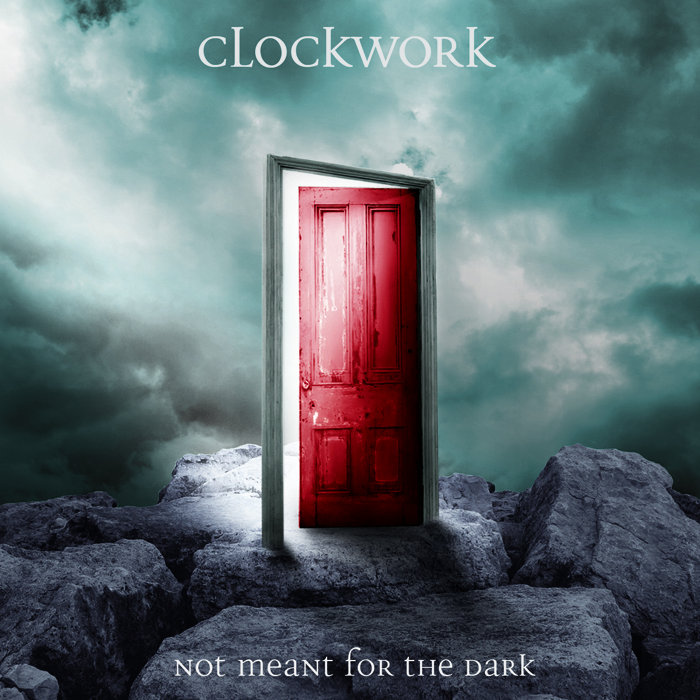
This collaborative approach resonates strongly within Pennsylvania's metal community, where cross-pollination between bands has always been a defining characteristic. Clockwork's progressive metal and thrash fusion exemplifies how local acts can draw from multiple influences to create distinctive sounds. The band's approach to combining groove metal elements with progressive complexity mirrors the strategic thinking behind successful supergroup formations.
The supergroup model offers particular advantages for mid-tier and developing acts, allowing musicians to pool resources, share fan bases, and experiment with sounds that might not fit their primary projects. For Pennsylvania bands looking to expand their reach, temporary or project-based collaborations can provide exposure to new audiences while maintaining artistic integrity.
Power Metal Renaissance Signals Genre Evolution
Italian power metal veterans Vision Divine's upcoming EP "A Clockwork Reverie" represents more than just a new release – it signals a broader renaissance within progressive and power metal circles. The return of acclaimed frontman Michele Luppi, whose background includes work as a Whitesnake backing vocalist and keyboardist, alongside keyboard virtuoso Oleg Smirnoff, demonstrates how established acts are reinventing themselves through strategic personnel changes and creative partnerships.
The EP format itself has become increasingly strategic for metal bands, allowing for focused artistic statements without the pressure and investment required for full-length albums. This approach particularly benefits bands exploring new territories or reuniting after extended breaks, providing a testing ground for evolved sounds and reformed lineups.
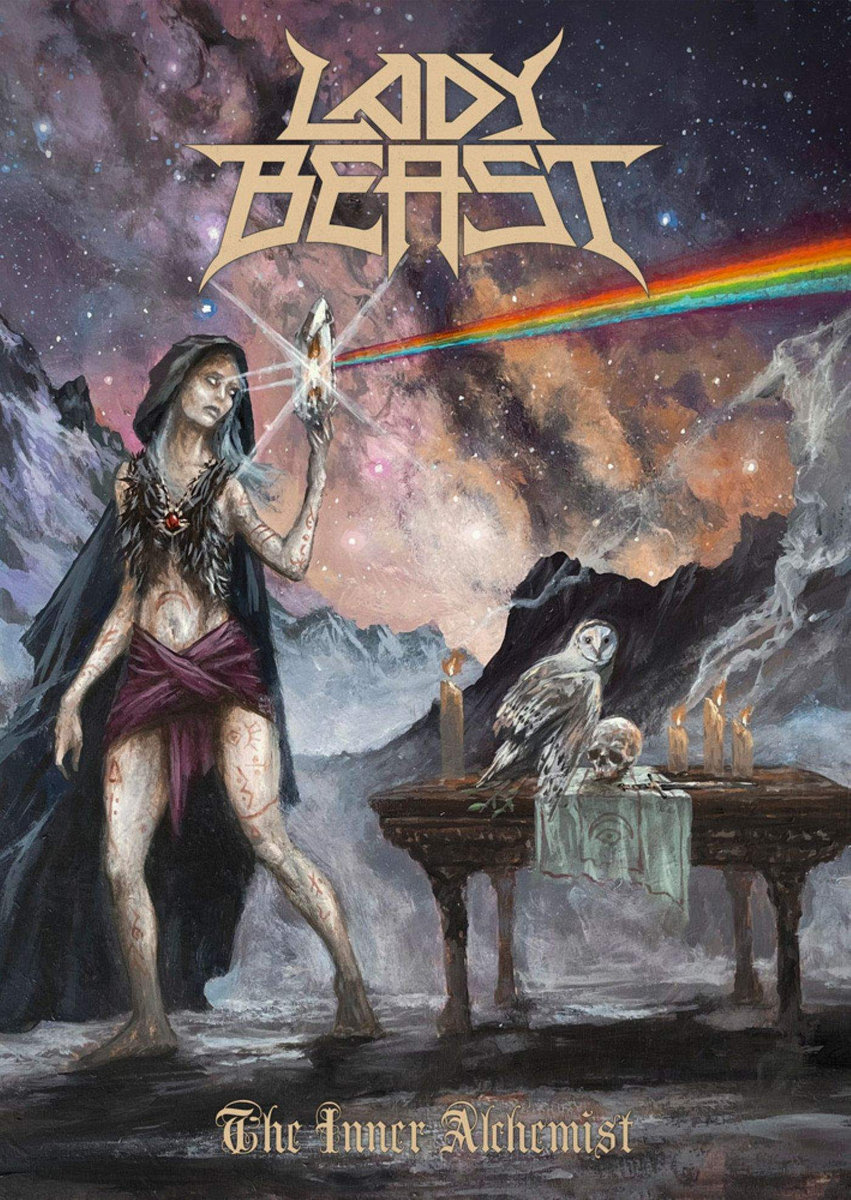
Pennsylvania's power metal representatives, particularly Lady Beast, have demonstrated how American bands can contribute to this traditionally European-dominated genre. Their heavy metal foundation with power metal flourishes shows how regional scenes can adapt international influences while maintaining distinctive American characteristics. The growing acceptance of power metal elements in broader metal contexts creates opportunities for Pennsylvania bands to explore more theatrical and technically demanding compositions.
Metalcore Innovation Through Cross-Generational Collaboration
Atreyu's collaboration with Max Cavalera for their single "Children of Light" from the upcoming album "The End is Not the End" exemplifies how established metalcore acts are seeking credibility and creative inspiration through partnerships with metal legends. Cavalera's involvement brings both his extensive experience from Sepultura and Soulfly, plus instant credibility with extreme metal audiences who might otherwise dismiss metalcore as commercially compromised.
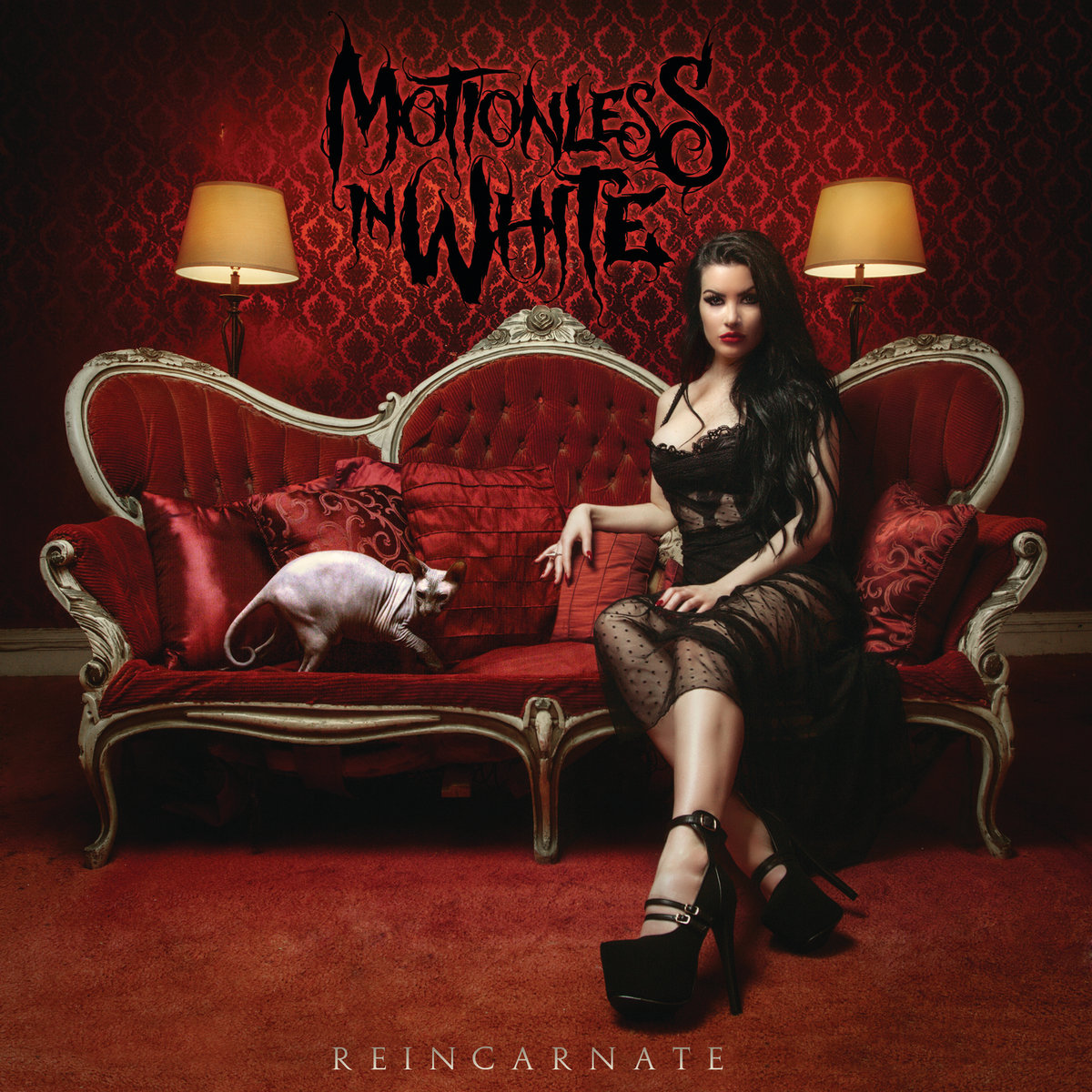
This cross-generational approach has particular relevance for Pennsylvania's metalcore scene, where bands like Motionless In White have already demonstrated how theatrical elements and genre-blending can create lasting careers. The state's metalcore acts benefit from proximity to both Philadelphia's hardcore punk heritage and Pittsburgh's industrial metal innovation, creating unique opportunities for stylistic synthesis.
The collaboration model also addresses one of metalcore's persistent challenges: maintaining relevance as both band members and audiences age. By incorporating influences and guest appearances from respected extreme metal veterans, metalcore bands can demonstrate artistic growth while honoring the genres that influenced their formation.
Progressive Boundaries and Technical Innovation
The current wave of progressive metal innovation extends beyond traditional time signature complexity and instrumental virtuosity. Modern progressive metal increasingly incorporates elements from electronic music, ambient soundscapes, and even dance music influences, creating hybrid forms that challenge traditional categorizations. This evolution offers significant opportunities for technically proficient bands willing to experiment with unconventional approaches.
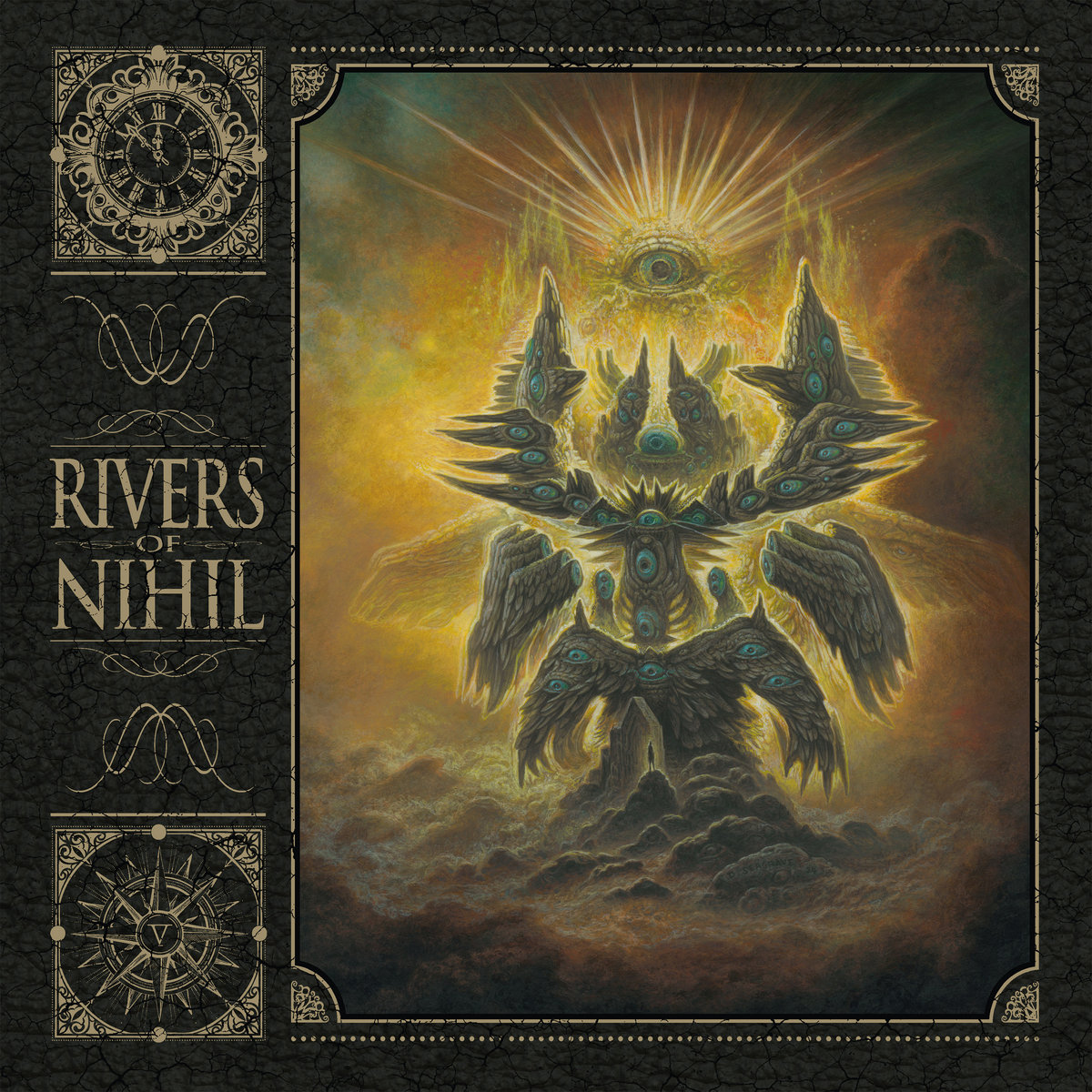
Pennsylvania's progressive metal scene has always embraced innovation, with bands like Rivers of Nihil demonstrating how technical death metal can incorporate progressive elements without sacrificing extremity. Their approach to combining saxophone sections with technical riffing shows how Pennsylvania bands are pushing genre boundaries in ways that attract both underground credibility and broader attention.
The technical demands of modern progressive metal also create opportunities for musicians to develop skills that transfer across genres. Drummers who master complex progressive compositions find themselves better prepared for session work, while guitarists who explore extended range instruments and alternate tunings develop versatility that benefits any musical context.
Industry Infrastructure and Regional Development
The success of supergroups and collaborative projects depends heavily on industry infrastructure that supports complex logistics and marketing challenges. Pennsylvania's position between major East Coast markets provides advantages for bands willing to leverage regional touring circuits and recording facilities. The state's diverse metropolitan areas offer different audience demographics, allowing bands to test material and refine live performances across varied contexts.
Recording infrastructure particularly benefits from collaborative projects, as studios equipped to handle multiple artists and complex arrangements develop expertise that serves the broader metal community. Pennsylvania studios that successfully accommodate supergroup sessions position themselves as regional hubs for ambitious projects, attracting business from acts throughout the Mid-Atlantic region.
Distribution and promotion strategies for collaborative projects also require sophisticated coordination, creating opportunities for regional music industry professionals to develop specialized skills. Publicists, booking agents, and management companies that master supergroup logistics find themselves better prepared to handle the complex demands of modern metal careers.
Artificial Intelligence Resistance and Creative Authenticity
Billy Corgan's recent statements about refusing to use artificial intelligence in music creation highlight growing tensions between technological capabilities and artistic integrity. His position resonates throughout metal communities that have always valued human performance, emotional authenticity, and technical skill developed through dedicated practice. This stance becomes particularly relevant as AI music generation tools become increasingly sophisticated and accessible.
For Pennsylvania metal bands, the AI debate creates both challenges and opportunities. Bands that emphasize live performance skills, improvisation, and genuine emotional connection find themselves potentially advantaged in a landscape where artificial generation threatens to commoditize composition. The state's strong live music traditions and emphasis on authentic performance provide competitive advantages as audiences seek experiences that clearly demonstrate human creativity and skill.
Festival Integration and Live Performance Evolution
The evolving festival landscape continues to influence how metal bands approach live performance and audience development. Supergroups and collaborative projects often debut at festivals, taking advantage of concentrated audiences and industry attention to maximize impact from limited performance opportunities. This trend influences how regional bands structure their own collaborative efforts and live presentation strategies.
Pennsylvania's festival scene benefits from the state's geographic position and venue diversity, attracting both touring packages and regional showcases. Bands that understand festival dynamics and collaborative opportunities position themselves for inclusion in larger events, while venues that successfully host collaborative projects attract return business from ambitious touring packages.
The integration of power metal, progressive elements, and cross-genre collaboration in festival settings also demonstrates how audiences increasingly appreciate musical diversity within metal contexts. Pennsylvania bands that develop versatility across subgenres find themselves better positioned for festival inclusion and collaborative opportunities with touring acts seeking local support.