Collaboration Renaissance and Final Chapters Reshape Metal's Creative Landscape as Pennsylvania Bands Navigate Industry Evolution

The metal world is witnessing a fascinating paradox in 2026: while some legendary acts are writing their final chapters, others are discovering new creative life through unexpected collaborations and career resurrections. This dynamic shift is creating ripple effects across the Pennsylvania metal scene, where bands are learning valuable lessons about longevity, creative partnerships, and the delicate balance between artistic integrity and industry survival.
When Endings Spark New Beginnings
Spirit Adrift's sudden announcement of their final album, released without warning, represents a bold approach to artistic closure that's resonating throughout the underground. Founder Nate Garrett's decision to end the project on his own terms, rather than fade into irrelevance, demonstrates a level of creative control that many Pennsylvania acts are taking note of. This "surprise farewell" strategy stands in stark contrast to the drawn-out retirement announcements that have become commonplace in metal.
The power of definitive endings is something that resonates with Pennsylvania's heavy music community, particularly among the state's sludge metal practitioners. Trunk, known for their crushing, deliberate approach to heavy music, represents the kind of artistic commitment that Spirit Adrift's final statement embodies. Similarly, The End has long understood that meaningful conclusions can be as powerful as explosive beginnings in heavy metal.
What makes Spirit Adrift's approach particularly compelling is how it challenges the typical metal retirement narrative. Rather than announcing farewell tours years in advance or teasing comebacks, Garrett simply delivered one final, complete artistic statement. This methodology could influence how Pennsylvania bands approach their own creative cycles and legacy planning.
Cross-Generational Collaboration Revolution
Meanwhile, Atreyu's partnership with Max Cavalera on "Children of Light" showcases how veteran-newcomer collaborations are breathing fresh life into established acts. The track, set to appear on Atreyu's upcoming album "The End Is Not the End," demonstrates how cross-generational partnerships can reinvigorate both artists involved. Cavalera, whose influence spans from Sepultura's groundbreaking thrash to Soulfly's groove metal evolution, brings decades of experience to Atreyu's modern metalcore foundation.
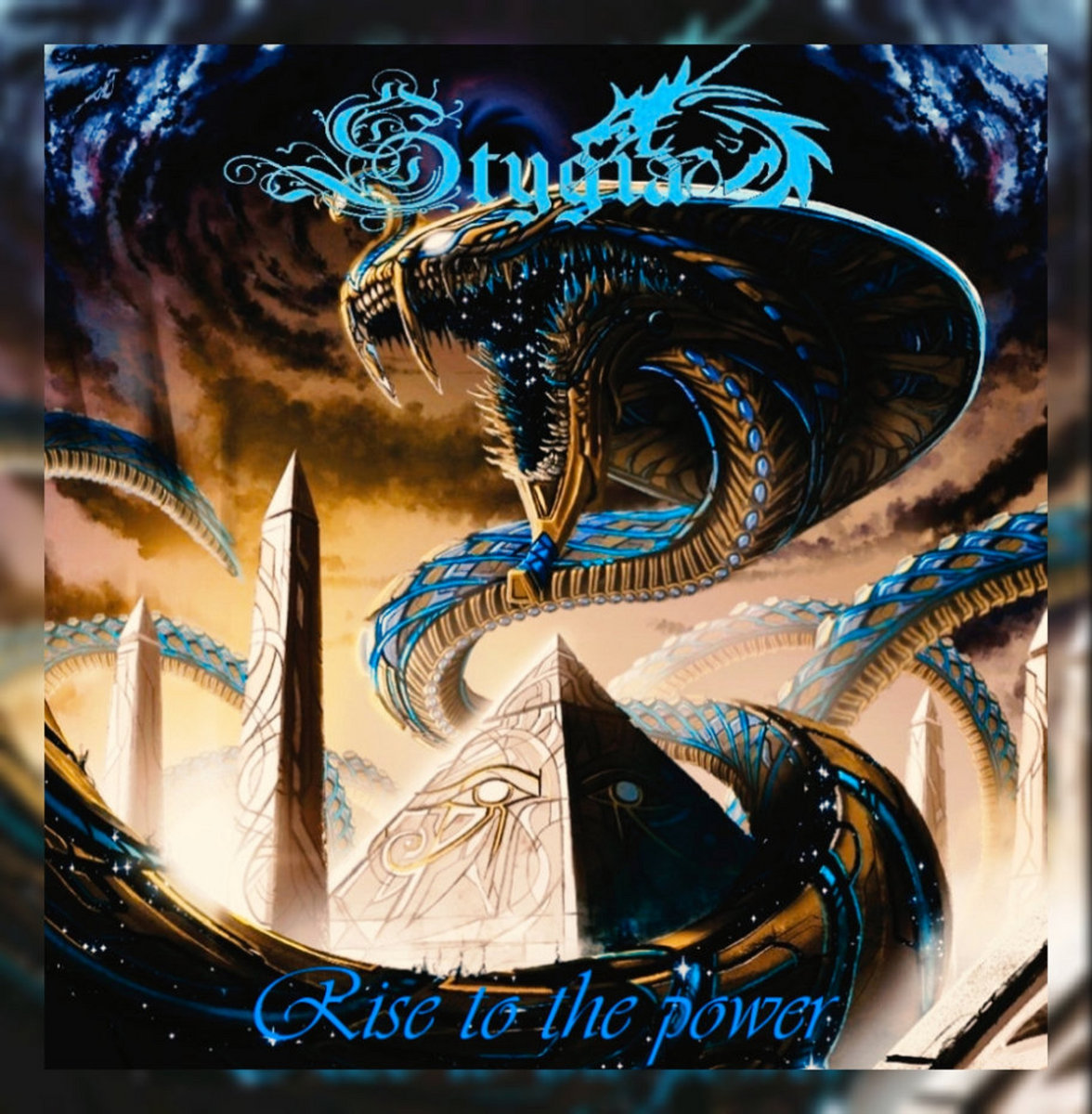
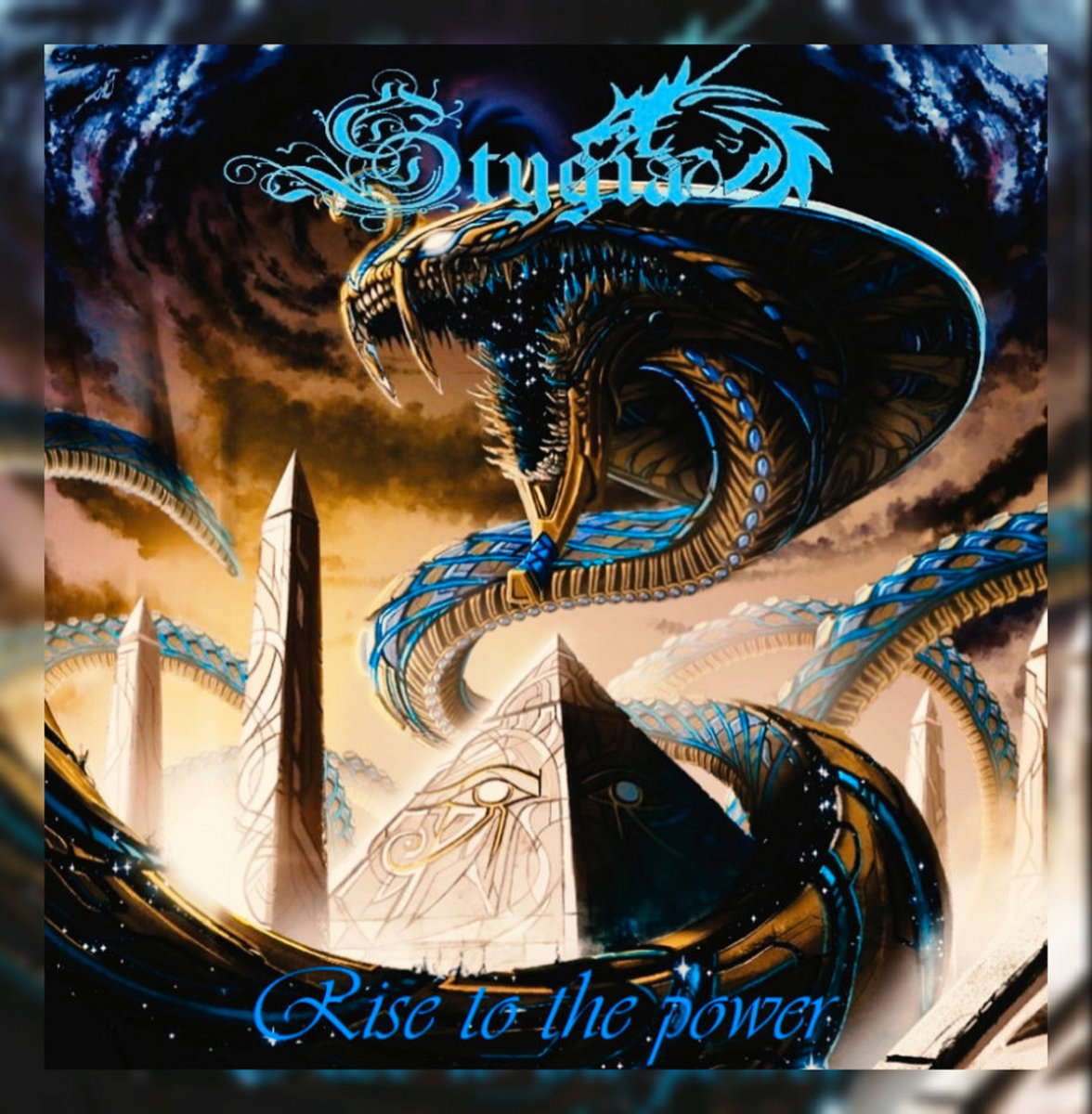
This collaboration model is particularly relevant for Pennsylvania's diverse metal landscape, where veterans and newcomers often share stages and creative spaces. The state's progressive metal scene, exemplified by bands like Stygia, has long embraced the kind of boundary-crossing approach that makes Cavalera-Atreyu partnerships possible. When power metal meets progressive sensibilities, as Stygia demonstrates, the results often transcend traditional genre limitations.
The success of such collaborations suggests that the best death metal bands and other genre leaders in 2026 will be those willing to step outside their comfort zones. Pennsylvania's metal scene has always fostered this kind of creative cross-pollination, from the Philadelphia hardcore-metal fusion to Pittsburgh's doom-influenced heavy rock.
The Never Say Never Syndrome
Kip Winger's recent comments about being in "never say never" mode regarding future Winger live shows perfectly encapsulates the retirement dilemma facing many veteran acts. Despite previous announcements about ending their touring career, the band has now booked shows for 2026, highlighting how final decisions in music often prove less than final.

This phenomenon isn't limited to 80s hard rock acts. The pattern of retirement announcements followed by comebacks has become so common that audiences have grown skeptical of farewell tours. What's interesting is how this affects planning for both venues and supporting acts, particularly in Pennsylvania's robust concert ecosystem spanning from intimate club shows to major arena events.
The retirement-comeback cycle also creates unique opportunities for regional acts. When major touring acts step away, even temporarily, it opens slots on festival lineups and creates space for emerging bands to build larger audiences. Pennsylvania's heavy music community has historically been adept at capitalizing on these opportunities, with venues like The Chameleon Club, The Rex Theater, and Diesel Concert Lounge serving as crucial stepping stones for bands building national profiles.
The Demo Development Underground
While established acts navigate retirement announcements and comeback tours, The Ghost Inside's recent social media teasers about working on new demos highlight how the creative process continues regardless of industry trends. The band's approach to sharing glimpses of their songwriting process through social media represents a modern twist on traditional demo culture.
This democratization of the demo process has particular relevance for Pennsylvania's underground metal scene, where bands have always relied on grassroots promotion and fan engagement. The ability to share work-in-progress material directly with audiences creates new pathways for building anticipation and maintaining fan connection between full releases.
The demo-sharing trend also reflects how new metal bands 2026 are navigating an increasingly crowded marketplace. Rather than waiting for complete albums, many acts are building momentum through strategic glimpses of their creative process, maintaining audience engagement during lengthy recording cycles.
Legacy Tours and Anniversary Celebrations
Triumph's launch of their 50th-anniversary tour in Orlando, marking their first tour in over 30 years, demonstrates how anniversary celebrations can breathe new life into dormant careers. The Canadian rockers' return, featuring original members Gil Moore and Rik Emmett alongside guitarist Phil X, shows how heritage acts can successfully bridge past and present.
This anniversary tour trend creates interesting parallels for Pennsylvania's own heritage acts. Bands that emerged from the state's thriving 80s and 90s metal scenes are increasingly looking at milestone anniversaries as opportunities for creative renewal rather than mere nostalgia trips. The challenge lies in balancing historical significance with contemporary relevance.
For venues throughout Pennsylvania, these legacy tours represent both opportunity and challenge. While heritage acts can draw audiences who might not regularly attend metal shows, they also need to maintain credibility with core metal audiences who value authenticity over nostalgia.
Looking Forward: Nevermore's 2027 Promise
Perhaps the most intriguing development in the comeback category is Nevermore's confirmation of new music arriving in early 2027. Jeff Loomis's recent interviews about the band's new lineup and their live debut in Istanbul suggest that some reunions are built on genuine creative momentum rather than purely commercial motivations.
Nevermore's approach—taking time to develop new material with their reformed lineup before announcing major touring plans—offers a template for how heritage progressive metal acts might approach comebacks. The band's technical proficiency and complex songwriting have always demanded extensive preparation, and their patient approach to this reunion suggests serious artistic intent.
This measured comeback strategy could influence how Pennsylvania's own progressive and technical metal bands approach extended hiatuses and reunions. Rather than rushing back to capitalize on nostalgia, the focus on new material development suggests that the best heavy metal songs often come from bands willing to invest in genuine creative renewal.
Pennsylvania Metal's Evolution in Context
These national trends in collaboration, retirement, and comeback strategies provide valuable context for understanding Pennsylvania's own metal evolution. The state's scene has always balanced respect for tradition with openness to innovation, making it well-positioned to navigate the current landscape of cross-generational partnerships and creative resurrections.
The key lesson from 2026's developments seems to be that authenticity trumps strategy in metal's long game. Whether ending careers, starting collaborations, or planning comebacks, the acts that maintain genuine artistic vision rather than purely commercial calculations are finding the most sustainable paths forward.
For Pennsylvania's metal community, this authenticity-first approach aligns with the state's longstanding values of workmanship and artistic integrity. As the Pennsylvania metal scene continues evolving, these national examples provide both inspiration and cautionary tales for local acts navigating their own creative journeys.
The convergence of farewell albums, cross-generational collaborations, and strategic comebacks suggests that 2026 might be remembered as a year when metal's creative possibilities expanded rather than contracted, despite—or perhaps because of—the industry's ongoing uncertainties.