Sanctuary Resurrects After 12-Year Silence While Corrosion of Conformity Refuses Retirement
The heavy metal landscape is witnessing a fascinating dichotomy as legendary acts choose dramatically different paths forward. While some bands emerge from extended hibernation with renewed purpose, others double down on their commitment to never stop the machine. This week's developments showcase how veteran acts are redefining longevity in an industry where retirement announcements have become almost as common as comeback tours.
Sanctuary Returns from the Grave
After more than a decade of silence, American heavy metal stalwarts Sanctuary have broken their extended hiatus with a vengeance. Their new partnership with BLKIIBLK represents more than just a label signing—it's a statement of intent from a band that helped define the sound of American heavy metal in the late 80s and early 90s. The release of "Not Of The Living" marks their first new material since 2011, proving that some creative wells never truly run dry.
The timing of Sanctuary's return couldn't be more significant for the broader metal ecosystem. In an era where best heavy metal songs are increasingly judged by streaming numbers rather than lasting impact, veteran acts like Sanctuary offer a masterclass in sustained relevance. Their approach—measured, deliberate, and uncompromising—stands in stark contrast to the rapid-fire release schedules that dominate today's music landscape.
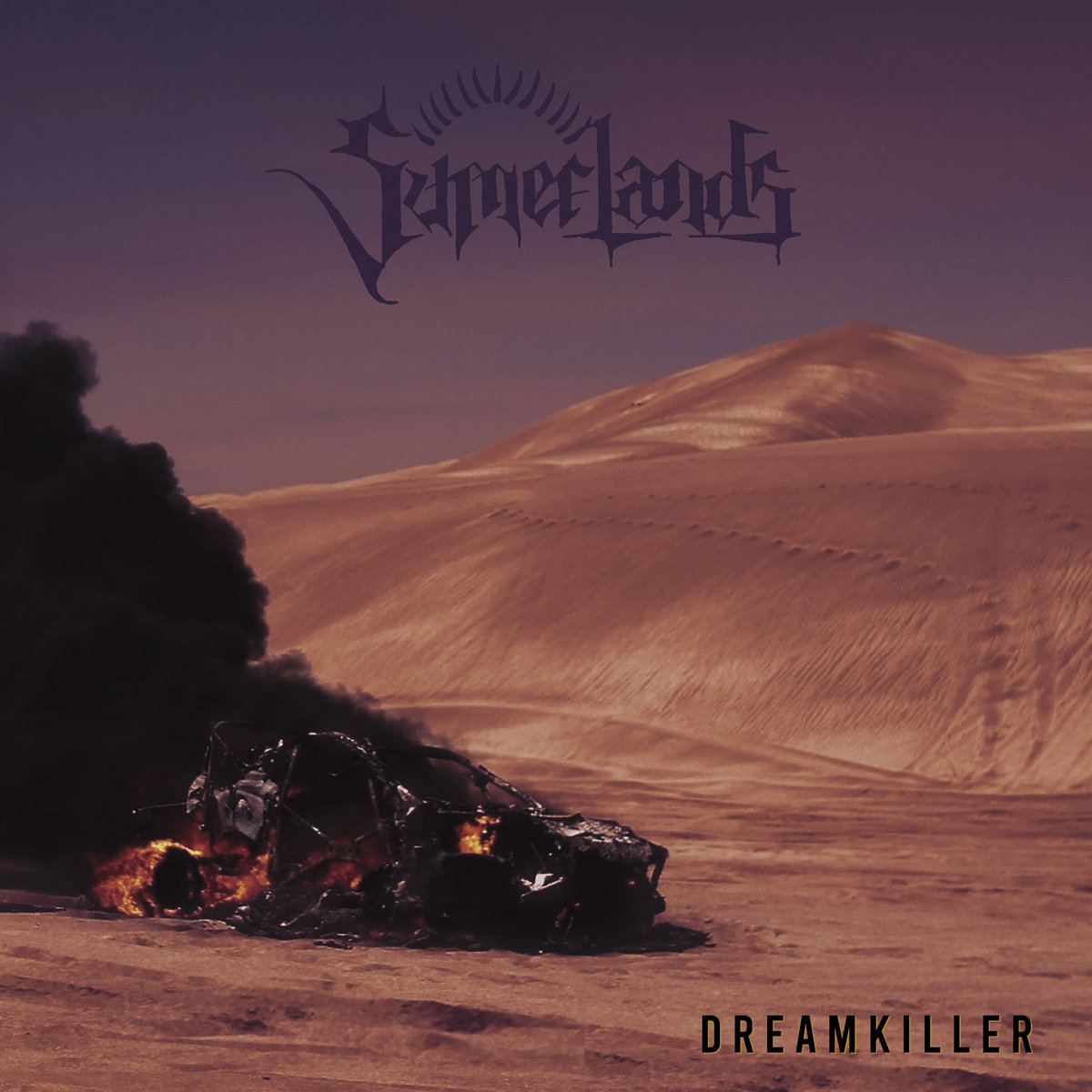
For Pennsylvania's heavy metal community, Sanctuary's resurrection offers valuable lessons in career longevity. Bands like Sumerlands, who share Sanctuary's commitment to classic heavy metal traditions, can look to this comeback as proof that quality trumps quantity in building lasting legacies.
Corrosion of Conformity's Eternal Commitment
On the opposite end of the spectrum, Corrosion of Conformity continues to embody the "death before dishonor" ethos that has defined their three-decade career. Woody Weatherman's recent statements about the band's future plans extending well into 2027 reveal an organization that views touring not as a necessary evil, but as their natural state of being.
The addition of Nick Shabatura as their new touring drummer represents the kind of strategic personnel decisions that separate career survivors from one-hit wonders. Rather than letting lineup changes derail their momentum, COC has consistently demonstrated how to integrate new blood while maintaining their core identity. Shabatura's debut performance in Atlanta showcased a seamless transition that bodes well for the band's extensive touring plans.
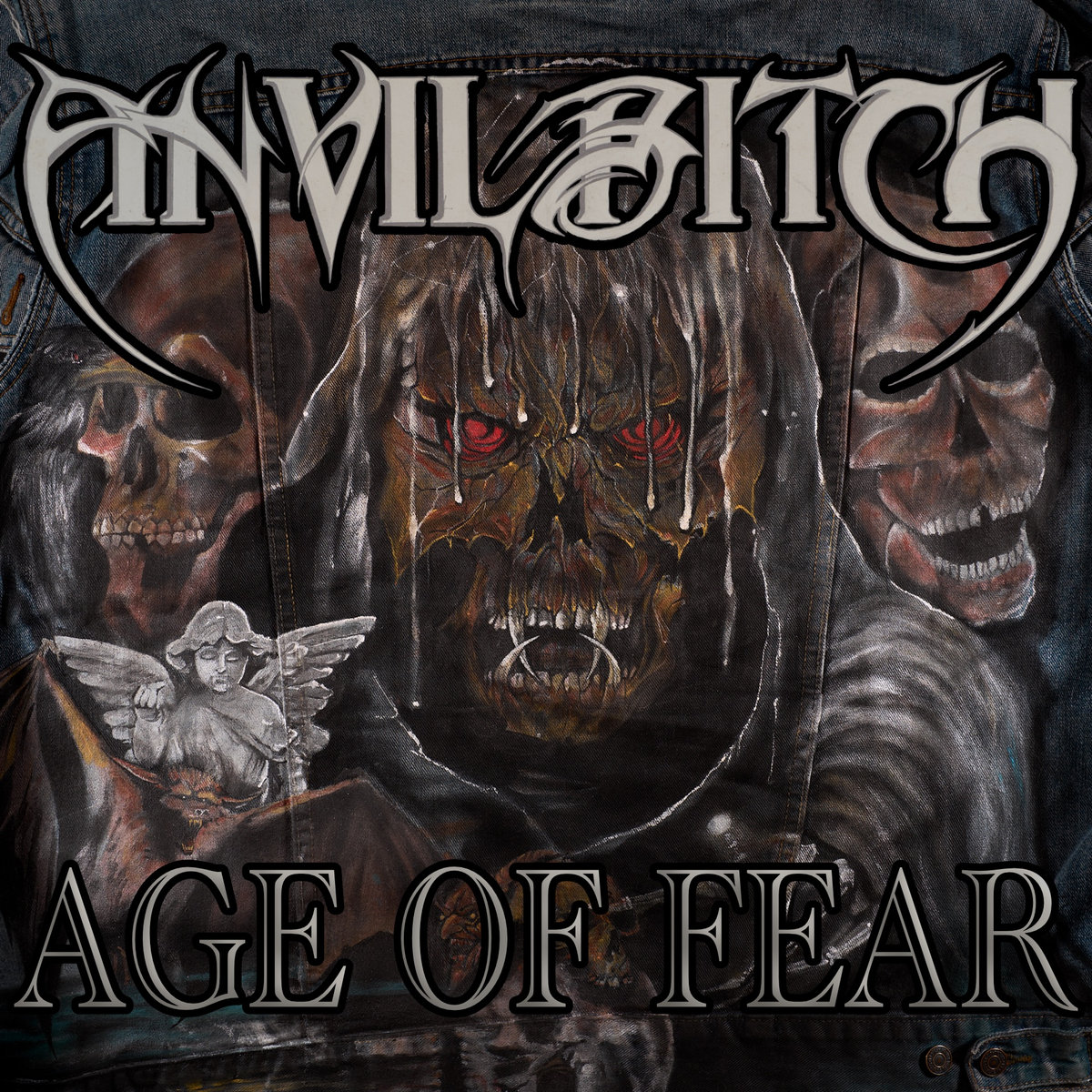
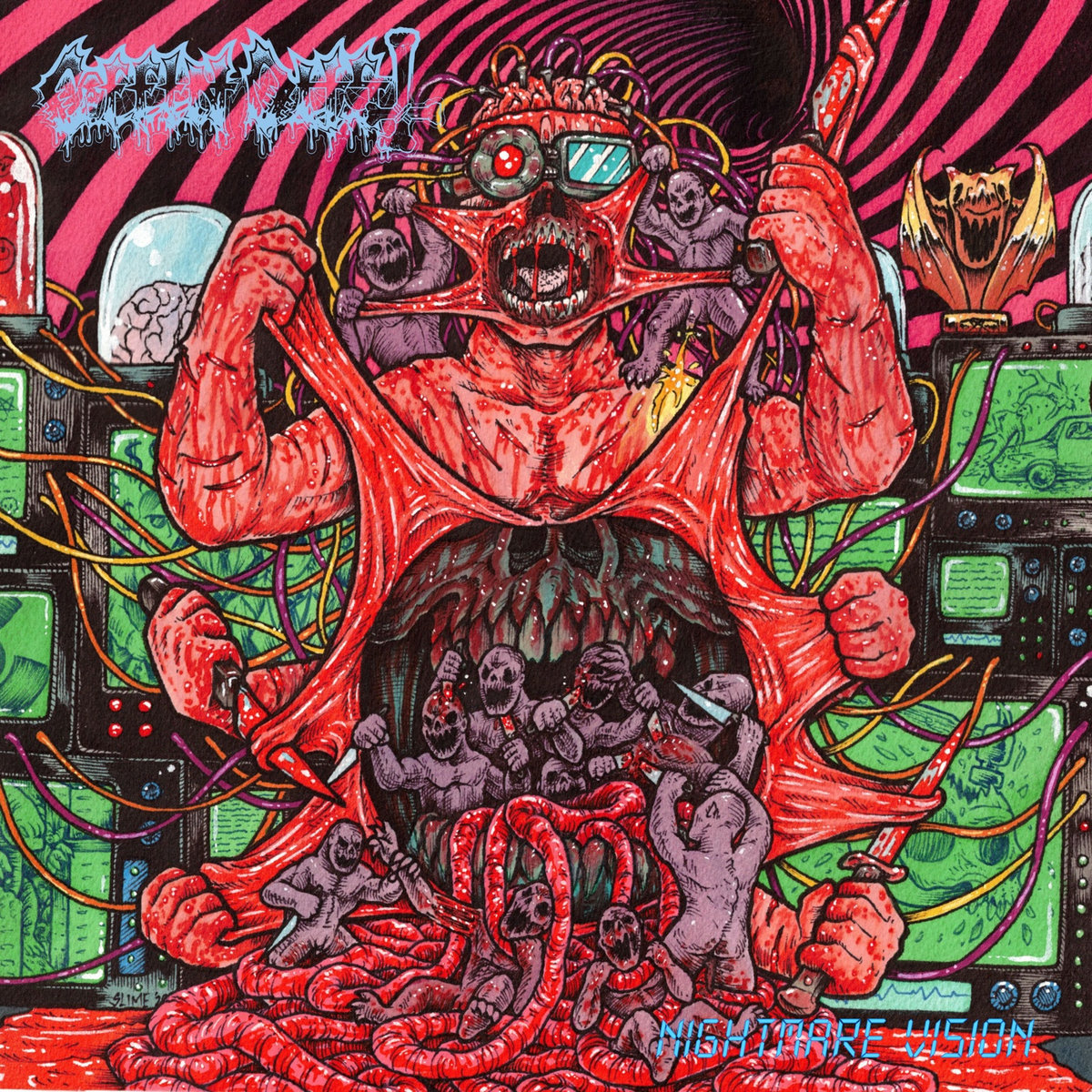
This commitment to constant evolution within established parameters offers crucial insights for Pennsylvania's metal scene. The state's thrash metal contingent, including acts like Anvil Bitch and Coffin Dust, can learn from COC's approach to balancing tradition with necessary change.
The Winger Paradox: Never Say Never
Perhaps the most intriguing development comes from Kip Winger's cryptic comments about future live performances. After announcing their touring retirement, Winger has now booked shows extending into 2026, embodying the "never say never" philosophy that seems to define metal's veteran class.
This flip-flopping might seem inconsistent, but it actually reflects a deeper truth about creative careers in heavy music. The physical and emotional demands of touring create natural breaking points, yet the call of the stage often proves stronger than the desire for permanent rest. Winger's situation mirrors similar decisions made by countless acts who discovered that retirement announcements are easier to make than to maintain.
Industry Implications for Emerging Acts
These veteran moves create ripple effects throughout the metal ecosystem, particularly for emerging acts trying to establish their own touring credentials. When legendary bands occupy major festival slots and headline positions well into their fifth decades, it creates both inspiration and competition for younger acts.
The touring announcements from Bell Witch and Aerial Ruin's collaborative efforts demonstrate how newer acts can carve out their own space by pursuing unique artistic partnerships. Their North American tour represents the kind of creative collaboration that can help emerging acts stand out in an increasingly crowded field.
For Pennsylvania's developing metal scene, these examples highlight the importance of thinking beyond traditional career arcs. Acts like Chapter in the metalcore realm can study how veteran bands maintain relevance across decades rather than planning for quick bursts of activity followed by extended breaks.
The Pennsylvania Connection
While these national and international developments might seem distant from the Keystone State's metal community, they actually provide a roadmap for regional scene development. Pennsylvania's diverse metal landscape—from Philadelphia's hardcore roots to Pittsburgh's industrial influences—benefits from understanding how veteran acts navigate career longevity.
The state's best death metal bands and thrash metal veterans can particularly benefit from studying COC's approach to lineup stability and touring consistency. Meanwhile, the traditional heavy metal acts in Pennsylvania's scene can look to Sanctuary's careful comeback strategy as a model for maintaining artistic integrity while adapting to modern industry realities.
Looking Ahead: 2026 and Beyond
As we look toward what promises to be a busy 2026 touring season, the veteran acts making headlines this week are setting the tone for how experienced bands can remain vital forces in heavy music. The question of what metal bands are touring in 2026 increasingly includes acts that many assumed had played their final shows.
This trend toward career resurrection and extended activity creates opportunities for younger bands to learn directly from their influences through shared bills and festival appearances. It also raises the bar for what constitutes a "complete" career in heavy music—simply releasing albums is no longer enough when veteran acts continue pushing creative and touring boundaries well into their sixth decades.
The Pennsylvania metal scene, with its rich history and continuing vitality, stands to benefit significantly from these broader trends. As veteran acts demonstrate the value of persistence and strategic thinking, local bands can apply these lessons to their own career development, whether they're just starting out or looking to reinvent themselves after years of activity.
These developments remind us that in heavy music, retirement is often just another word for "temporary hiatus," and the most successful acts are those that view their careers as marathons rather than sprints. For fans and musicians alike, that's excellent news for the future of metal.