Artificial Intelligence Threatens Metal's Creative Core While Festival Innovation and Signature Gear Define Industry's Tech Future
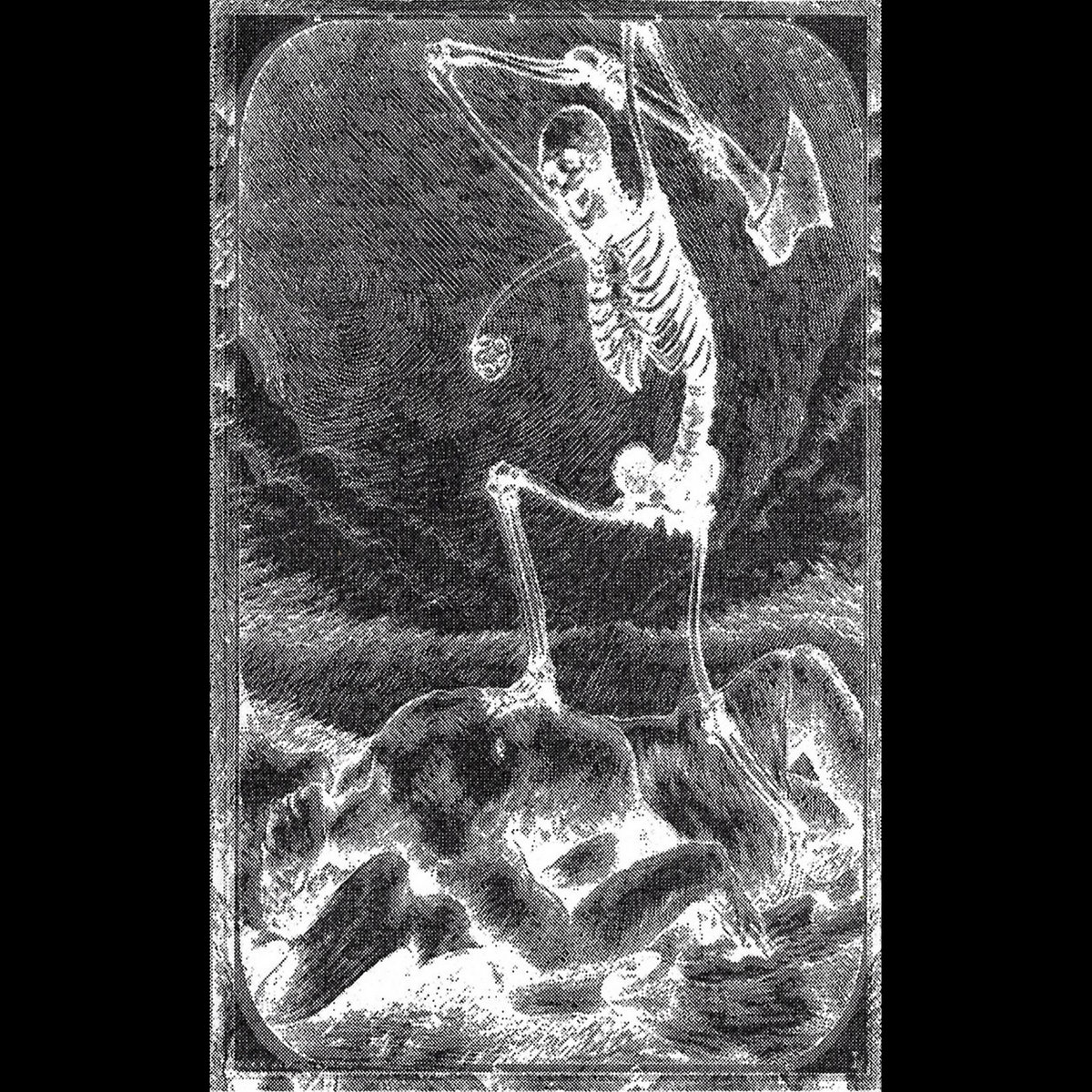
The intersection of technology and heavy music has reached a critical juncture, with artificial intelligence sparking heated debates about creativity's future while festival innovations and signature gear releases showcase how the metal industry can harness technology without losing its soul. These developments carry particular significance for Pennsylvania's diverse metal scene, where bands from Apex to Veiled must navigate an increasingly digital landscape while maintaining their artistic integrity.
The AI Authenticity Crisis Hits Metal's Creative Heart
Recent discussions about artificial intelligence's impact on heavy music have moved beyond theoretical concerns into urgent warnings about truth and creativity. The conversation centers around how AI risks fundamentally altering the creative process that has defined metal since its inception—the raw, human expression of anger, pain, and rebellion that forms the genre's emotional core.
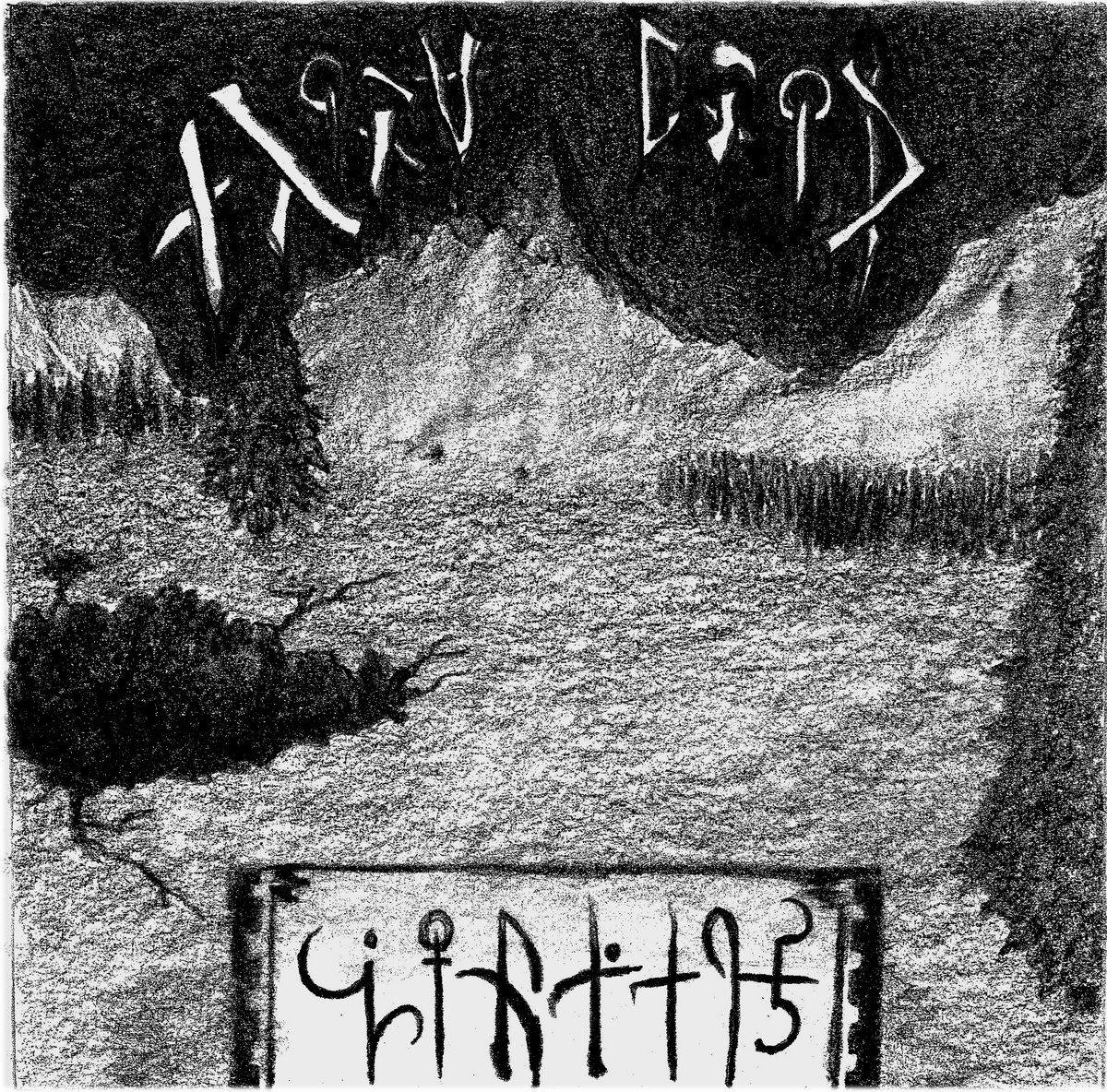
The concern extends beyond simple automation of musical tasks. As visual representations become increasingly standardized through AI systems, the unique aesthetic identity that defines individual bands and subgenres faces homogenization. This threat particularly impacts Pennsylvania's black metal scene, where bands like Veiled and the broader underground network including acts such as Ahein Cied and Stalagmite rely on distinctive visual and sonic identities to convey their artistic vision.
The establishment of baseline truth becomes crucial when considering how metal has always served as a vehicle for authentic human experience. The genre's power lies in its ability to channel genuine emotion and real experiences into crushing riffs and thunderous rhythms. If AI begins generating both the music and the stories behind it, the fundamental relationship between artist and audience—built on shared human experience—could erode.
For Pennsylvania's metal community, this presents both challenges and opportunities. Local death metal acts like Horrendous and Rivers of Nihil have built their reputations on innovative approaches to traditional sounds, proving that human creativity can push boundaries without artificial assistance. The question becomes whether emerging bands will feel pressure to incorporate AI tools or resist them entirely.
Festival Innovation Creates New Performance Opportunities
While AI threatens creative authenticity, festival organizers are finding positive ways to integrate technology into the live music experience. The introduction of specialized interview zones and performance spaces at major festivals represents a evolution in how metal events connect artists with fans. These "Pit Stop" concepts create intimate spaces within massive festival environments, allowing for deeper artist-fan interactions that complement the crushing energy of main stage performances.
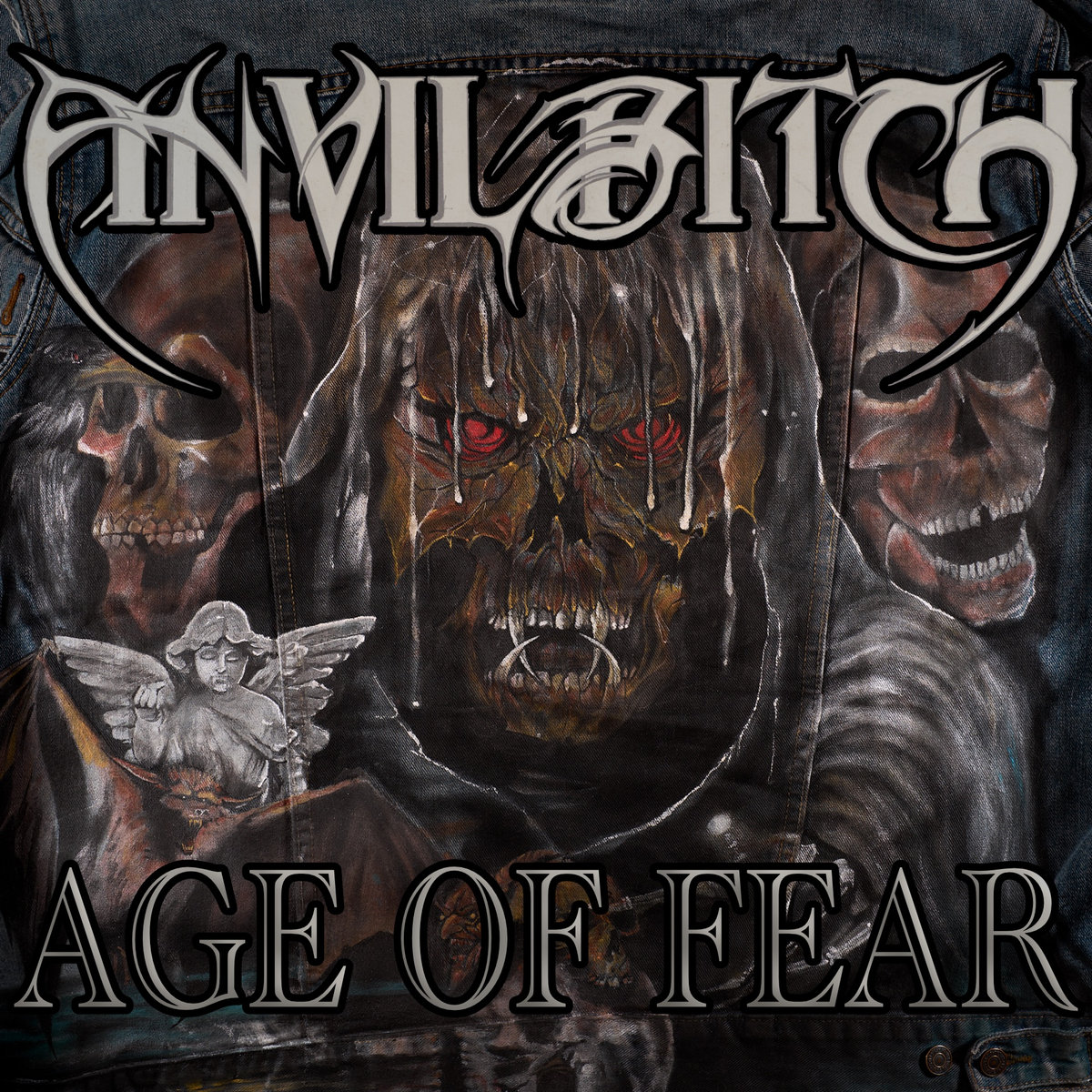
This development particularly benefits Pennsylvania bands seeking to expand their reach beyond regional venues. The state's thrash metal veterans like Anvil Bitch and contemporary acts such as Hate Machine could leverage these intimate festival spaces to showcase their technical prowess and connect with industry professionals in ways traditional festival slots don't allow.
The timing of these innovations couldn't be better for Pennsylvania's metal scene. As what metal bands are touring in 2026 becomes clearer, local acts have more opportunities to demonstrate their skills beyond traditional performance slots. The best death metal bands understand that festival success requires more than just crushing live performances—it demands the ability to engage audiences across multiple touchpoints throughout an event.
Signature Equipment Bridges Past and Future
The release of signature model guitars inspired by classic metal eras demonstrates how technology can enhance rather than replace human creativity. These instruments represent a tangible connection between metal's storied past and its evolving future, offering musicians tools specifically designed to capture the explosive energy that defined pivotal moments in heavy music history.
For Pennsylvania's guitar-driven metal scene, access to instruments designed for specific sonic characteristics opens new creative possibilities. The state's doom metal acts like Dream Death and newer bands such as Ritual Earth could benefit from instruments designed to capture the crushing low-end frequencies and sustained notes that define their sound.
The accessibility factor proves crucial for emerging bands. When signature instruments become available at reasonable price points, they democratize access to professional-quality tones that were once exclusive to major-label artists. This levels the playing field for Pennsylvania's underground metal community, where bands often struggle with equipment costs while developing their sound.
Cross-Genre Collaboration Drives Innovation
Recent collaborations between established metal veterans and contemporary artists showcase how the genre continues evolving through creative partnerships. These projects demonstrate that innovation doesn't require artificial intelligence—it requires human musicians willing to push boundaries and explore new sonic territories together.
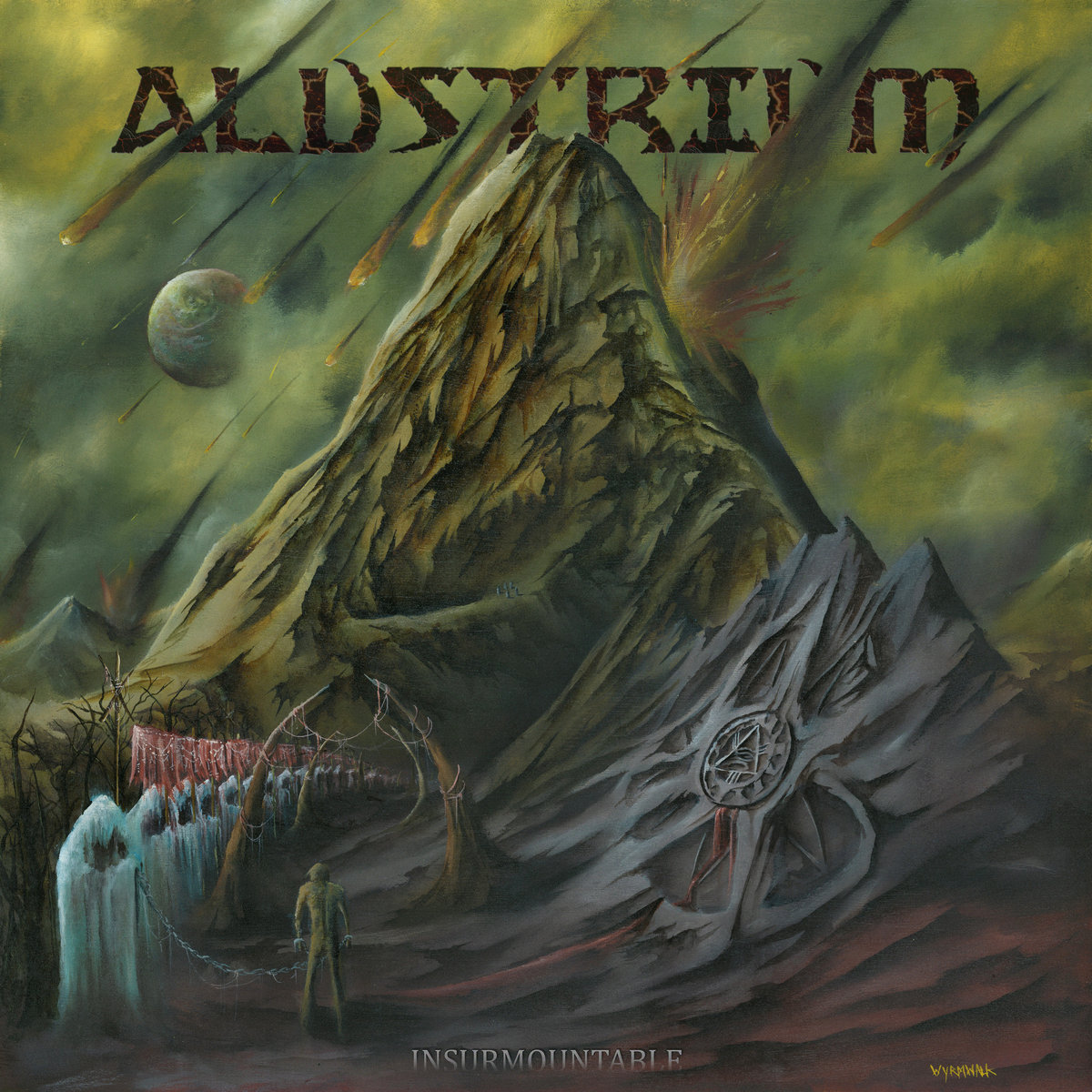
Pennsylvania's metal scene has always embraced collaboration, from the crossover thrash experiments of bands like Coffin Dust to the progressive explorations of acts such as Alustrium. The current wave of high-profile collaborations provides a roadmap for local bands seeking to expand their musical horizons while maintaining their core identity.
The melodic death metal approach taken by Agonist exemplifies how Pennsylvania bands can incorporate diverse influences without losing their essential character. As best heavy metal songs increasingly blend elements from multiple subgenres, local acts that master this collaborative approach position themselves for broader success.
Underground Preservation Meets Digital Evolution
The remastering and re-release of classic albums represents another positive application of modern technology to metal's heritage. These projects preserve the original artistic vision while enhancing audio quality for contemporary listening environments. Unlike AI-generated content, these remasters celebrate human creativity rather than replacing it.
Pennsylvania's rich metal history deserves similar preservation efforts. The state produced influential bands across multiple eras and subgenres, from the pioneering work of early thrash acts to contemporary progressive death metal innovators. Local labels and distributors should consider similar remastering projects for Pennsylvania metal classics.
The surprise release strategies employed by some bands demonstrate how digital platforms can serve metal artists without compromising artistic integrity. These approaches allow bands to present their work as complete artistic statements rather than singles-driven commercial products, preserving the album-oriented approach that has long defined the best metal albums of all time.
Looking Forward: Technology as Tool, Not Replacement
The key distinction emerging from current industry developments lies between technology that enhances human creativity and technology that replaces it. Festival innovations, signature instruments, and high-quality remasters all serve to amplify human artistic expression. AI-generated content, by contrast, threatens to substitute artificial creation for genuine human experience.
Pennsylvania's metal bands must navigate this landscape carefully, embracing tools that enhance their creative vision while resisting technologies that could undermine their artistic authenticity. The state's metal scene has always been characterized by innovation within tradition—taking the fundamental elements of heavy music and finding new ways to express them.
For emerging Pennsylvania metal acts, the current environment offers both unprecedented opportunities and significant challenges. The best new metal bands 2026 will likely be those that master traditional songcraft while strategically incorporating beneficial technologies. Success will require distinguishing between tools that serve artistic vision and those that replace it.
The Pennsylvania metal community's response to these technological developments will help shape the broader genre's future. By supporting bands that prioritize authentic human expression while intelligently utilizing beneficial technologies, local metal fans can help ensure that heavy music maintains its essential character while continuing to evolve.
As the industry grapples with these fundamental questions about creativity, authenticity, and technological integration, Pennsylvania's metal scene stands positioned to lead by example—proving that the most powerful heavy music comes from human hearts, minds, and hands, enhanced but never replaced by the tools at their disposal.