Legends Face Evolution as Young Voices Challenge Metal's Technical Obsession
The metal world finds itself at a fascinating crossroads in early 2026, where seasoned legends grapple with artistic evolution while younger voices challenge the very foundations of technical virtuosity. Recent developments from industry veterans and emerging acts alike suggest a scene actively questioning its own priorities and pushing against established norms.
The Technical Trap: When Precision Becomes Predictable
German guitar legend Uli Jon Roth has sparked considerable debate with his recent critique of modern players' obsession with technical perfection. His observation that too many contemporary guitarists "sound like typewriters" in their pursuit of flawless execution strikes at the heart of a long-simmering tension within heavy music. This mechanistic approach to musicianship has become increasingly prevalent across multiple metal subgenres, from progressive death metal to technical thrash.
For Pennsylvania's metal scene, this critique resonates particularly strongly. The state's rich musical heritage includes pioneering acts that prioritized emotion and atmosphere over clinical precision. Bands like Rivers of Nihil have demonstrated how technical proficiency can serve songwriting rather than dominate it, creating progressive death metal that maintains human warmth despite complex arrangements.
The conversation extends beyond individual technique to broader questions about what defines compelling heavy music. Pennsylvania's thrash metal underground, represented by acts like Graphic Violence and Hydra, has long understood that aggression and energy often matter more than perfect execution. These bands embody the raw spirit that Roth seems to advocate for, prioritizing visceral impact over sterile precision.
Generational Shifts and Artistic Responsibility
The recent transition within Atreyu, where Brandon Saller fully embraced frontman duties, illustrates another dimension of metal's current evolution. Saller's determination to silence critics through undeniable performance quality reflects a broader generational shift in how musicians approach artistic responsibility. Rather than accepting inherited roles, today's metal artists increasingly demand the right to redefine their creative contributions.
This willingness to challenge expectations finds parallels throughout Pennsylvania's heavy music landscape. Local acts have consistently demonstrated that evolution doesn't require abandoning core identity. The state's doom metal contingent, including Sinister Realm, has shown how traditional heavy metal foundations can support contemporary innovation without losing essential character.
The phenomenon extends to how bands approach live performance and studio work. Pennsylvania's hardcore and thrash crossover acts, exemplified by The Fetals, continue proving that authenticity and raw energy can coexist with professional ambition. These bands represent a middle path between Roth's advocacy for emotional expression and the modern industry's demands for polished execution.
Legacy Bands Navigate Final Chapters
Brazilian metal legends Sepultura continue demonstrating how established acts can maintain relevance while approaching inevitable conclusions. Their latest material suggests a band comfortable with its legacy yet unwilling to simply repeat past glories. This approach offers valuable lessons for Pennsylvania's own veteran acts, many of whom face similar questions about artistic longevity and creative purpose.
The challenge facing legacy acts extends beyond individual songs or albums to encompass entire career narratives. How does a band honor its history while remaining creatively vital? Pennsylvania's metal scene includes numerous acts grappling with these questions, from established heavy metal bands to veteran thrash and death metal groups.
David Ellefson's recent philosophical reflections on life's evolving meaning provide insight into how metal veterans process career transitions. His acknowledgment that meaning "is always evolving and always changing" reflects a mature understanding of artistic growth that transcends specific musical genres or scenes.
Underground Innovation and Festival Culture
The announcement of new hardcore and metalcore festival lineups highlights another crucial aspect of metal's current moment. Events featuring bands like Incendiary and Comeback Kid demonstrate how festival culture continues supporting both established acts and emerging voices. These gatherings serve as crucial networking and discovery opportunities for regional scenes, including Pennsylvania's diverse heavy music community.
Pennsylvania's own underground benefits enormously from this festival ecosystem. Local black metal acts like Ethereal Corpus and Spiter gain exposure through festival appearances that connect regional scenes with national movements. The cross-pollination of ideas and influences at these events helps prevent the insularity that can stifle creative growth.
The diversity of contemporary festival programming also reflects metal's expanded definition of what constitutes heavy music. Pennsylvania bands spanning multiple subgenres benefit from this inclusiveness, whether they play traditional heavy metal, atmospheric black metal, or experimental approaches to extreme music.
Production Philosophy and Artistic Vision
Recent releases from various acts highlight ongoing conversations about production philosophy and artistic vision in heavy music. The balance between clarity and atmosphere, between technical precision and emotional impact, remains a defining challenge for contemporary metal artists. Pennsylvania bands working with both local and national producers face these same decisions about how to translate their artistic vision into recorded form.
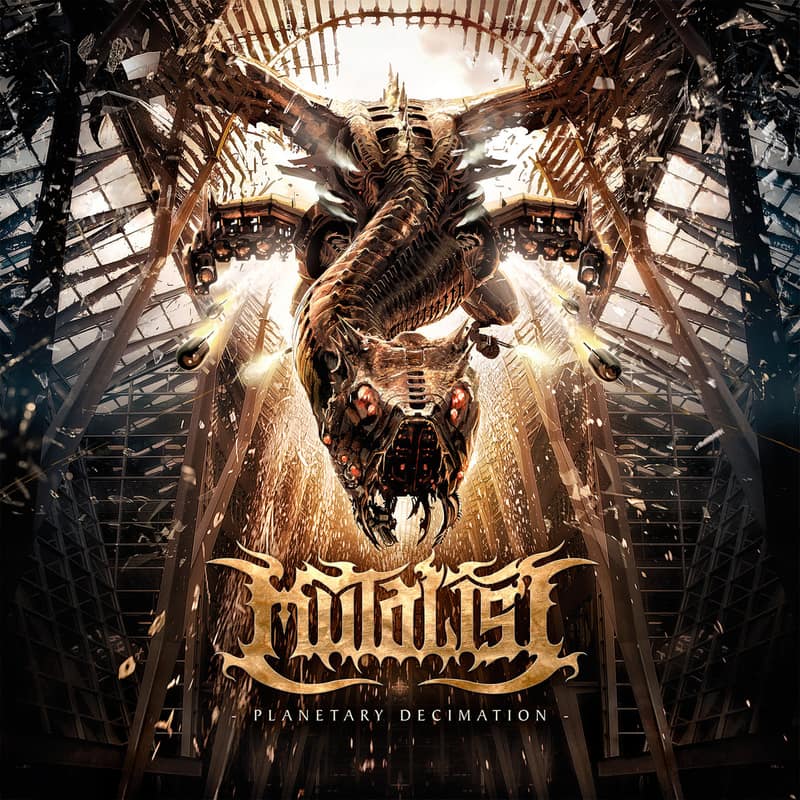
The state's death metal scene, including acts like Mutalist and Facial Fracture, demonstrates various approaches to balancing brutal intensity with sonic clarity. These bands understand that production choices directly impact how audiences receive their music, making technical decisions artistic statements in their own right.
Progressive metal acts face particularly complex production challenges, needing to maintain clarity across intricate arrangements while preserving the emotional core that drives their compositions. Pennsylvania's Moonphase exemplifies how death metal can incorporate progressive elements without sacrificing essential brutality.
The Future of Heavy Music Identity
As metal approaches the midpoint of the 2020s, questions about artistic identity and creative authenticity become increasingly crucial. The tension between technical excellence and emotional expression that Roth identified reflects broader uncertainties about what heavy music should prioritize. Pennsylvania's diverse metal community offers a particularly valuable perspective on these debates, combining respect for tradition with openness to innovation.
The state's scene includes everything from traditional heavy metal to experimental black metal, providing laboratories for exploring different approaches to balancing technique with expression. Local bands serve as case studies in how regional scenes can maintain distinct identities while participating in global conversations about metal's future direction.
Ultimately, the current moment demands that metal artists and fans alike consider what they value most in heavy music. Technical proficiency certainly matters, but perhaps not at the expense of the human elements that originally drew people to metal's transgressive power. Pennsylvania's metal community, with its combination of established acts and emerging voices, remains well-positioned to contribute meaningfully to these ongoing conversations about heavy music's essential character and future possibilities.
Whether through the atmospheric explorations of black metal acts, the brutal precision of death metal bands, or the raw energy of thrash and hardcore crossover groups, Pennsylvania continues demonstrating that regional scenes can balance respect for tradition with commitment to artistic growth. The state's metal community exemplifies how local scenes can engage with broader industry conversations while maintaining their own distinct creative voices.